
Companion Plants
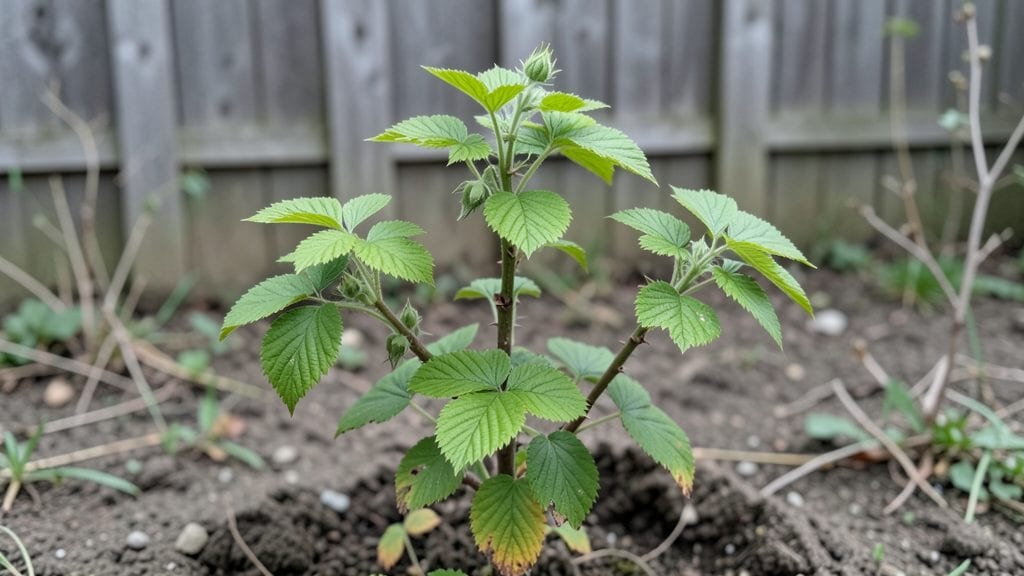
Fast raspberry harvests start with the right early raspberry plants—like the primocane varieties that fruit on new growth. 🌱 I planted 'Heritage' last fall, and by June, I was picking berries while most neighbors were still waiting.
The key isn’t just picking the right type; it’s understanding how they grow and when to get them in the ground.
Early-bearing raspberries come in two main types: floricane (summer-bearing) and primocane (fall-bearing). The primocane varieties are your secret weapon for fast harvests—they produce fruit on last year’s canes, so you get berries in the first season.
Plant them in early spring or late fall, depending on your zone, and give them full sun and well-draining soil. The payoff? Berries just a few months after planting.
You’ll maximize those early yields with the right prep: till the soil deeply, add compost, and space plants 2-3 feet apart. Prune old canes after harvest to encourage new growth, and watch your plants explode with fruit the following season.
The first taste of those sweet, juicy berries is worth every minute of effort.
Works for gardeners in zones 4-9, whether you’re planting in rows or along a fence. Here’s how to pick the perfect variety and get them growing fast—no waiting until next summer for your first harvest.
📚 In This Guide
- What you need
- Instructions
- Tips and common mistakes
- Wrapping up and next steps
What you need
- ● Early raspberry plants: Choose fast-starting varieties like Heritage, Boyne, or Nova (2–4 plants for a small patch, 5+ for larger harvests). Opt for bare-root or container-grown plants in early spring.
- ● Well-draining soil: Aim for a pH of 5.5–6.5. Amend heavy clay or sandy soil with compost (2–3 inches) or aged manure.
- ● Fertilizer: A balanced 10-10-10 or organic fertilizer (e.g., fish emulsion or compost tea) to kickstart growth.
- ● Mulch: Straw or wood chips (2–3 inches) to retain moisture and suppress weeds.
- ● Support system: T-trellis, stakes, or wire fencing (4–6 feet tall) to train canes vertically.
- ● Watering tools: Drip irrigation or soaker hose (1–2 gallons per plant, 2–3 times weekly) or a watering can.
- ● Garden tools: Trowel, pruners (sterilized with rubbing alcohol), and loppers for shaping canes.
- ● Gloves: Heavy-duty garden gloves to protect against thorns.
- ● Sunlight access: 6–8 hours of full sun daily (partial shade in hot climates).
- ● Space: 2–3 feet between plants and 4–6 feet between rows for airflow.
- ● Companion plants: Thyme, garlic, or marigolds to deter pests and improve flavor.
- ● Row cover: Lightweight fabric to protect young plants from late frosts.
- ● Plant food: High-nitrogen fertilizer (e.g., blood meal) in early spring for leafy growth.
- ● Soil test kit: To check nutrient levels before planting.
How to plant early raspberry varieties for a fast spring harvest
Skip the long wait—these speedy varieties deliver fruit within 1-2 years instead of the usual three.
🌱 Step 1: Choose Fast-Starting Raspberry Varieties
Select early-bearing varieties like 'Heritage,' 'Boyne,' or 'Nova'—these produce fruit in their first or second year. Avoid fall-bearing types like 'Carolina' if you want berries sooner. I always check the USDA zone recommendations on the tag to ensure they match my climate.
Look for dormant canes (bare-root plants) in early spring, before buds swell. The roots should feel firm and moist, not shriveled. If you're planting in containers, pick 1-gallon pots with established root systems—they'll establish faster than bare-root.
🌿 Step 2: Prepare the Planting Site for Fast Growth
Raspberries thrive in full sun (6-8 hours daily) with well-draining soil. Test your soil pH—raspberries prefer 5.5-6.5. If your soil is heavy clay, mix in 2-3 inches of compost to improve drainage and fertility.
Dig a trench 12 inches wide and 12 inches deep for each plant, spacing rows 6 feet apart. This gives roots room to spread without crowding. For containers, use pots at least 12 inches deep with drainage holes—raspberries hate soggy roots.
💧 Step 3: Plant and Water for Immediate Establishment
Place the roots of bare-root plants in the trench, spreading them out gently. For potted plants, loosen the roots slightly before setting them in. Cover with soil, leaving the crown (where roots meet stems) 1 inch above ground level—this prevents rot.
Water deeply right after planting until the soil is 6 inches moist. Mulch with 2-3 inches of straw or wood chips to retain moisture and suppress weeds. Avoid synthetic mulches—they can suffocate young roots. You'll know you've done this right when the soil stays damp for 3-4 days after watering.
☀️ Step 4: Protect and Encourage Fast Fruit Production
Install trellis supports immediately—raspberries need them to grow upright. Use 6-foot tall stakes or wire systems and weave canes through as they grow. Prune out any weak or crossing canes to direct energy into strong, fruiting stems.
Fertilize lightly with a balanced 10-10-10 formula in early spring, then again after harvest. Too much nitrogen makes plants grow leaves instead of fruit. Watch for new canes—these are your fruiting stems for next year, so don’t prune them yet. If birds are a problem, cover new plants with netting as soon as flowers appear.
⏰ Step 5: Monitor for Early Harvest Readiness
By late spring or early summer, your 'Heritage' or 'Boyne' plants should produce their first berries. Harvest when they're fully red and plump—waiting too long makes them soft and seedy. Pick in the morning when berries are coolest for best flavor.
After harvest, prune out all old canes (they’re brown and woody) to make room for new growth. This keeps plants productive year after year. You’ll see new green canes emerging—these will fruit next season. Keep the soil moist but not soggy, and you’ll have berries faster than with slower varieties.
Tips & tricks for perfect early raspberry planting
Here's what nobody tells you about planting raspberries for a speedy harvest—these tricks make all the difference between waiting years or enjoying berries in just one season.
Variety Selection: The 1-2 year promise only applies to early-bearing varieties like 'Heritage' or 'Boyne'. Fall-bearing types like 'Carolina' take longer to fruit, so stick with the fast varieties mentioned in Step 1. I've learned this the hard way after planting the wrong type and waiting an extra year for fruit!
Root Preparation: When handling bare-root plants, soak the roots in water for 1-2 hours before planting if they feel dry. This jumpstarts hydration and helps roots establish faster. For potted plants, gently squeeze the container to loosen roots before planting—this prevents root circling that can slow growth.
Site Preparation: Don't skip the soil test! Raspberries are sensitive to pH, and soil outside 5.5-6.5 can stunt growth. If your soil is heavy clay, mix in 2-3 inches of compost as instructed, but also consider adding perlite for better drainage. The trench dimensions (12" wide and deep) give roots the space they need to spread quickly for that fast harvest.
Watering Strategy: The 3-4 day dampness check is your best indicator of proper watering. Use a moisture meter if you're unsure—raspberries can't tolerate soggy roots but also need consistent moisture. In containers, check soil moisture daily during hot weather since pots dry out faster than ground soil.
Pro Tips for Early Raspberry Plants
- Here's what nobody tells you about planting raspberries for a speedy harvest—these tricks make all the difference between waiting years or enjoying berries in just one season.
- Variety Selection: The 1-2 year promise only applies to early-bearing varieties like 'Heritage' or 'Boyne'.
- Root Preparation: When handling bare-root plants, soak the roots in water for 1-2 hours before planting if they feel dry.
Frequently asked questions
Got questions about early raspberry plants? You’re not alone! Here are some of the most common concerns—and their answers—to help you get a head start on your spring harvest.
What are the fastest-growing raspberry varieties for early harvests?
If you want berries in record time, look for primocane-bearing varieties like ‘Heritage,’ ‘Carolina Gold,’ or ‘Summer Breeze.’ These produce fruit on first-year canes, giving you a harvest as early as late summer. For fall-bearing types, ‘Fall Red’ and ‘Boyne’ are also speedy contenders!
How soon after planting can I expect fruit from early raspberry plants?
With primocane varieties, you might see fruit as early as 60–90 days after planting—sometimes even sooner in warm climates! Fall-bearing types typically fruit on second-year canes but may produce a small crop on first-year growth. Patience pays off, but early varieties are designed to reward you faster than traditional raspberries.
Can I plant raspberries in early spring, or should I wait?
Planting in early spring (as soon as the soil is workable) is ideal—raspberries thrive in cooler weather and establish roots before summer heat. Avoid planting in late spring when soil is dry, as young plants may struggle. If your area has late frosts, opt for cold-hardy varieties like ‘Nova’ or ‘Boyne’ for extra protection.
What pests or diseases should I watch for in early raspberry plants?
Keep an eye out for Japanese beetles, spider mites, and cane borers—they love young raspberries! For diseases, gray mold (Botrytis) and cane blight are common. Use neem oil or insecticidal soap for pests, and ensure good airflow by spacing plants 2–3 feet apart. Prune out infected canes immediately to prevent spread.
Can I grow raspberries in containers, or do they need ground planting?
Dwarf varieties like ‘Titan’ or ‘Heritage’ thrive in 5-gallon containers with well-draining soil. Just ensure the pot has drainage holes and is at least 18 inches deep. Containers are great for small spaces or urban gardens—just move them to a sunny spot and fertilize regularly for best results.
Pro Tip:
For faster fruit production, mulch around your plants with straw or wood chips to retain moisture and suppress weeds. This also keeps soil temps stable, encouraging root growth and early flowering!
Wrapping up and next steps
Growing early raspberry plants is a rewarding way to enjoy fresh, homegrown berries sooner than ever! By choosing fast-starting varieties and providing the right care, you’ll be savoring sweet harvests in just a few short months.
Whether you’re a seasoned gardener or a beginner, these tips make the process simple and exciting.
Now that you’re ready to plant, take the next step: mark your calendar for spring planting and watch your garden transform! 🌱 With patience and a little effort, you’ll be feasting on juicy raspberries before you know it.