
Companion Plants
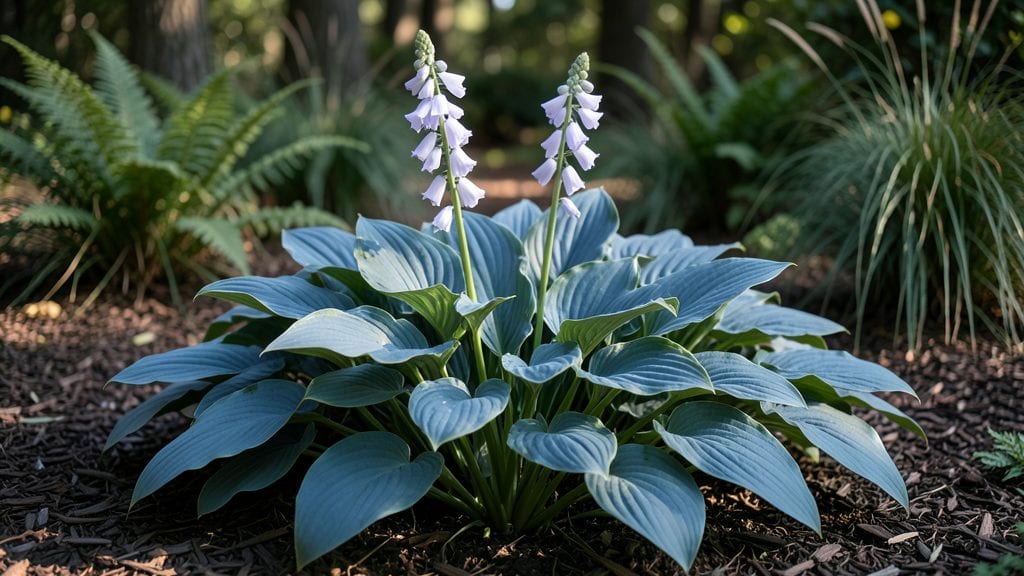
Garden live plants that actually thrive together? That’s the secret to a pest-free, low-maintenance garden. 🌱 I’ve learned which pairings naturally repel bugs, improve soil, and create that lush, self-sustaining ecosystem—no chemicals needed. The right combo turns your garden into a fortress against aphids, deer, and even fungal diseases.
The key starts with healthy plants: look for vibrant leaves, sturdy stems, and roots that aren’t circling the pot. Transplant on a cloudy day to avoid shock, and bury stems deeper than they were in the nursery—it encourages stronger root growth.
My go-to pairings include marigolds with tomatoes (they hate the same pests), basil with peppers (keeps flies away), and nasturtiums with cucumbers (they deter squash bugs).
Once planted, focus on consistent moisture—not soggy soil—and mulch to retain water and block weeds. A morning watering routine prevents fungal issues, and pruning spent blooms keeps energy flowing to new growth. Within weeks, you’ll notice fewer pests and more flowers or veggies than ever before.
This works for perennials, shrubs, and annuals alike—just match sun and water needs. Start small with one or two pairings, then expand as you see what thrives in your space. The best part? Your garden will start feeling like it’s running itself.
📚 In This Guide
- What you need
- Instructions
- Tips and common mistakes
- Wrapping up and next steps
What you need
- ● Live plants: Choose 3–5 companion plant pairs (e.g., basil + tomatoes, marigolds + cucumbers, or nasturtiums + squash). Start with 2–4 seedlings or small potted plants per pair.
- ● Potting soil: 1–2 bags (10–20 lbs) of high-quality, well-draining organic soil (e.g., Miracle-Gro or FoxFarm).
- ● Containers or garden beds: Containers: 5–10-gallon pots (1–2 per plant pair) with drainage holes.
- ● Garden beds: 4’x4’ or larger plots with loose, fertile soil (amend with compost if needed).
- ● Compost or organic fertilizer: 1–2 cups of worm castings or balanced fertilizer (e.g., 10-10-10 or fish emulsion).
- ● Watering can or hose: With a gentle spray nozzle for even moisture.
- ○ Gloves & hand trowel: For planting and soil prep (optional but recommended!).
- ● Mulch: Straw, wood chips, or shredded leaves to retain moisture and suppress weeds.
- ● Plant markers: Small stakes or labels to track companion pairs (e.g., "Basil + Tomato").
- ● Pest deterrents: Neem oil, diatomaceous earth, or companion-specific repellents (e.g., garlic spray for aphids).
- ● Sunlight meter: To ensure your garden gets the right light (6+ hours for most veggies).
- ● Garden journal: To log growth, pests, and plant interactions for future reference!
Step-by-Step instructions for creating a thriving companion plant garden
Here's how to pair plants that naturally repel pests and boost each other's growth.
🌱 Step 1: Choose Your Core Plant Pairings
Start with 4 plant combinations proven to work well together. My go-to pairings include marigolds with tomatoes (marigolds deter nematodes), basil with peppers (basil repels flies and mosquitoes), and nasturtiums with cucumbers (nasturtiums attract aphids away from cucumbers). Research your specific pests first—some plants solve multiple problems at once.
Plant these in clusters rather than rows. For example, place 3 marigolds around each tomato plant, spacing them 12 inches apart. This creates a protective barrier while giving each plant enough room to thrive. Avoid mixing plants with similar water needs—like lettuce and spinach—that compete for moisture.
🌿 Step 2: Prepare the Planting Area
Clear the area of weeds and loosen the soil to a depth of 12 inches using a garden fork. Add 2 inches of compost to the top 6 inches of soil and mix it in thoroughly. This improves drainage and provides nutrients for the plants' root systems. Companion planting works best in well-draining soil, so avoid areas where water pools after rain.
Test the soil pH if possible—most companion plants prefer a slightly acidic to neutral range (pH 6.0-7.0). If your soil is heavy clay or sandy, amend it with 1 part peat moss or coconut coir to improve structure. The goal is loose, fertile soil that encourages strong root growth and pest resistance.
💧 Step 3: Plant with Strategic Spacing
Follow the spacing guidelines for each plant type, but adjust slightly to accommodate companions. For instance, plant basil 6 inches apart but closer to peppers (4 inches away) to maximize pest protection. Nasturtiums can trail along the ground near cucumbers, acting as a living mulch while luring pests away.
Water deeply at planting to settle the soil around roots, then maintain 1 inch of water per week (more during hot spells). Avoid overhead watering after planting—it can spread soil-borne diseases. Instead, use a soaker hose or drip irrigation to deliver water directly to the root zone.
☀️ Step 4: Monitor and Adjust for Growth
Watch for signs of stress or pest activity in the first 4-6 weeks. Healthy companion plants will show vigorous growth—marigolds with bright flowers, basil with glossy leaves, and cucumbers with rapid vine expansion. If you notice pests (like aphids on nasturtiums), they’re doing their job by acting as a decoy.
Rotate plants if one begins to outcompete another. For example, if basil grows too large and shades peppers, trim it back or move it slightly. Prune marigolds to encourage bushier growth, which improves their pest-repelling effectiveness. Regular checks prevent small issues from becoming unmanageable.
✂️ Step 5: Maintain Through the Season
Harvest regularly to encourage continuous growth. Pinch back flowers on basil to keep it bushy, and harvest marigold blooms to prolong their pest-repelling benefits. Mulch around plants with 2 inches of straw or shredded leaves to retain moisture and suppress weeds—this also creates a barrier that deters crawling pests.
By mid-season, evaluate which pairings are working best. If you notice one plant struggling despite companions, consider replacing it with a more compatible species. For example, swap out struggling lettuce for arugula, which tolerates heat better and still pairs well with carrots. Adjust as needed to keep the garden thriving.
Tips & tricks for thriving companion plant gardens
These practical strategies will help you maximize the benefits of companion planting while avoiding common pitfalls that can undermine your garden's success.
The Plant Placement Secret: When arranging your companion plants in Step 1, think about their growth habits. Place taller plants like marigolds on the north side of shorter plants to prevent shading. For example, position basil on the north side of peppers so it doesn't block sunlight. I've found this simple adjustment can double the yield of your pepper plants while keeping both companions healthy.
Soil Preparation Insight: In Step 2, don't just focus on adding compost—consider the texture too. If your soil is naturally heavy clay, mix in 1 part perlite along with the peat moss to improve aeration. For sandy soils, add 1 part vermiculite instead. This creates the perfect balance for root development that companion plants need to thrive together.
Watering Strategy: The 1 inch per week guideline in Step 3 works best with consistent timing. Water in the early morning so foliage has time to dry before evening. I've noticed that watering at the base rather than overhead also reduces fungal diseases that can affect your companion plants. For container gardens, check soil moisture daily during hot weather—containers dry out much faster.
Seasonal Adjustments: During the first 4-6 weeks in Step 4, keep a garden journal to track which companion pairs are working best. I've seen nasturtiums completely eliminate aphids from cucumbers in just 3 weeks! If you notice one plant struggling, don't be afraid to make mid-season adjustments. For instance, if your tomatoes are getting too tall for the marigolds to protect them effectively, add a few more marigolds around the base.
Pro Tips for Garden Live Plants
- These practical strategies will help you maximize the benefits of companion planting while avoiding common pitfalls that can undermine your garden's success.
- The Plant Placement Secret: When arranging your companion plants in Step 1, think about their growth habits.
- Soil Preparation Insight: In Step 2, don't just focus on adding compost—consider the texture too.
Frequently asked questions
What are the easiest live plants to pair for pest control?
Start with classic combos like basil and tomatoes () or marigolds and peppers (). These pairs naturally repel pests like aphids and whiteflies. For beginners, nasturtiums () near squash or cucumbers work wonders—they’re hardy, fast-growing, and pest-deterring superstars!
How long does it take to see pest-repelling benefits from companion plants?
Most companion plants start showing effects within 2–4 weeks of planting, but full benefits may take 6–8 weeks as they mature. Fast growers like marigolds or garlic chives () offer quicker protection, while slower options like comfrey () build up over time. Patience pays off!
Can I use companion plants in containers or small spaces?
Dwarf varieties like bush basil () or miniature marigolds () thrive in pots. Pair chives with strawberries () or dill with cabbage () in shared containers. Just ensure they have enough sunlight and drainage—companions in small spaces still work magic!
What do I do if pests still attack despite using companion plants?
Don’t panic! Rotate plants seasonally, add neem oil (), or introduce beneficial insects like ladybugs (). Sometimes, pests overwhelm companions—try physical barriers (like row covers) or homemade sprays (soapy water + garlic). Monitor and adjust!
Are there any companion plants that attract pests instead of repelling them?
Yes! Avoid pairing fennel () with dill or dill with carrots ()—they can attract spider mites or aphids. Also, potatoes near squash may encourage Colorado potato beetles (). Always research both plants in your combo!
Wrapping up and next steps
Transforming your garden into a thriving, pest-free paradise is easier than you think—just by harnessing the power of companion planting! 🌱 From fragrant herbs deterring pests to bold blooms boosting growth, these live plant pairings work like nature’s own defense system.
Whether you’re a seasoned gardener or just starting out, every step you take brings you closer to a lush, low-maintenance oasis.
Ready to put your new knowledge into action? Start small: pick one plant pair from this guide and observe the magic unfold. Before you know it, you’ll be confidently designing your dream garden—where beauty and balance grow side by side. Happy planting! 🌿