Pests
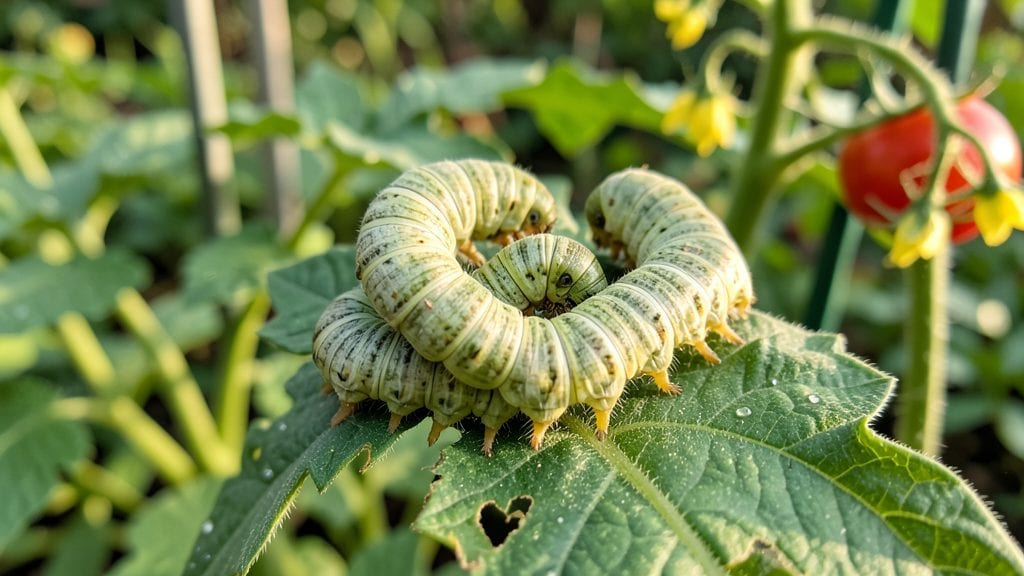
Tomato plant caterpillars can strip your vines bare in days—until you try this neem oil spray. I’ve watched my tomato plants go from lush and green to skeletonized in just 48 hours, but this one simple spray stops the damage fast.
The key is timing and technique, not just slathering on oil like it’s sunscreen.
Neem oil works because it disrupts caterpillars’ feeding signals while being completely safe for your plants and pollinators. You’ll need just 3 ingredients—neem oil, water, and a drop of dish soap—and 15 minutes to mix it up.
Spray in the early morning or evening when bees aren’t active, and reapply every 3-5 days until the caterpillars vanish. It’s not just a quick fix; it’s a game-changer for organic gardeners.
Within 24 hours, you’ll see caterpillars crawling away from treated leaves, and new growth will start pushing out within a week. The plants stay healthy, the fruit develops properly, and you avoid the bitter taste chemical pesticides leave behind.
This isn’t just about saving your tomatoes—it’s about growing food you can feel good about eating.
Works for hornworms, tomato loopers, and even cabbage worms, so you can use it across your entire garden. The spray keeps working even after it dries, and it won’t harm your soil or beneficial insects like ladybugs. Here’s exactly how to make it work for your plants.
Root Causes Of Caterpillar Attacks
Caterpillars don’t just randomly munch on your tomato plants—they’re drawn by a mix of environmental, plant-based, and biological triggers. Understanding these factors is key to stopping the damage before it starts. Here’s why your tomatoes are becoming a caterpillar buffet.
Tomato plants aren’t helpless—they produce natural chemical defenses like glycoalkaloids (toxic compounds) and volatile organic compounds (VOCs) to repel pests. But when plants are stressed, these defenses weaken, making them easier targets.
Why it happens:
- Nutrient Deficiencies – Lack of nitrogen, phosphorus, or potassium weakens cell walls, making leaves softer and more appealing to caterpillars.
- Overwatering or Drought Stress – Both extremes disrupt the plant’s ability to produce defensive chemicals. Overwatering rots roots, while drought stunts growth, leaving plants vulnerable.
- Poor Soil Health – Compacted or depleted soil limits root development, reducing the plant’s ability to fend off pests naturally.
Actionable fix: Test your soil’s pH and nutrient levels (ideal pH: 6.0–6.8). Add compost, worm castings, or balanced fertilizer (like 10-10-10) to boost plant resilience.
Caterpillars, especially hornworms and tomato fruitworms, have a menu—and your tomatoes are likely on it.
These pests are drawn to plants that are: - Young and tender (new leaves and stems are easier to digest). - High in nitrogen (lush, dark green foliage signals a nutritious meal). - Stressed or damaged (already-chewed leaves release pheromones that attract more caterpillars).
Why it happens:
- Over-fertilization with nitrogen – While tomatoes need nitrogen for growth, too much makes them too soft and sweet for caterpillars.
- Late-season ripening – As tomatoes ripen, their sugars increase, making them more appealing to fruitworms.
- Mixed plantings near tomatoes – Caterpillars from basil, peppers, or eggplants may migrate to tomatoes if their preferred hosts are overcrowded.
Actionable fix: Use a balanced fertilizer (like 5-10-10) and avoid late-season nitrogen spikes. Interplant tomatoes with marigolds, basil, or dill—these repel pests naturally.
Most caterpillar infestations start with moths (like the tomato hornworm moth) laying eggs on the undersides of leaves.
These moths are highly selective—they choose plants based on: - Leaf texture (smooth, hairless leaves are easier to lay eggs on). - Proximity to host plants (moths fly short distances, so isolated tomato plants are safer). - Time of year (peak egg-laying occurs in late spring to early summer when nights are warm).
Why it happens:
- Unpruned foliage – Dense, shady leaves provide perfect hiding spots for eggs.
- Night-blooming flowers nearby – Moths are attracted to night-blooming plants (like petunias or jasmine), which bring them closer to your tomatoes.
- Previous year’s infestation – If caterpillars survived in your garden last season, they’ll return to the same spot.
Actionable fix:
- Inspect leaves daily (especially undersides) for tiny white eggs (hornworm eggs) or green egg masses (fruitworm eggs).
- Remove night-blooming flowers near tomato plants or prune lower leaves to reduce egg-laying surfaces.
- Use yellow sticky traps to catch adult moths before they lay eggs.
Caterpillars thrive in specific temperature and humidity ranges. If your garden hits their sweet spot, expect an explosion of activity.
Why it happens:
- Warm nights (70–80°F) – Moths are most active when temperatures stay above 60°F at night, increasing egg-laying.
- High humidity (60%+) – Caterpillars retain moisture better in humid conditions, speeding up their growth.
- Sudden rain or dew – Moisture softens leaves, making them easier for caterpillars to chew.
Actionable fix:
- Monitor weather forecasts—if warm, humid nights are predicted, increase pest patrols.
- Use row covers in early season to block moths before they lay eggs.
- Water in the morning to reduce evening humidity around plants.
In a healthy garden, birds, parasitic wasps, and ladybugs keep caterpillar populations in check. But if these predators are missing, caterpillars multiply unchecked.
Why it happens:
- Pesticide overuse – Broad-spectrum insecticides (like malathion) kill beneficial insects faster than caterpillars.
- Habitat loss – Fewer shrubs, weeds, or wildflowers mean fewer hiding spots for predator birds and insects.
- Monoculture gardening – Planting only tomatoes (or other solanaceous plants) creates a caterpillar feast with no breaks for predators.
Actionable fix:
- Avoid chemical sprays—opt for neem oil, Bacillus thuringiensis (Bt), or hand-picking to preserve predators.
- Add predator-friendly plants like dill, fennel, or alyssum to attract beneficial insects.
- Install birdhouses or baths to encourage natural pest control.
Sometimes, well-meaning gardening habits accidentally invite caterpillars.
Common culprits include: - Overcrowded plants – Tight spacing creates microclimates that trap heat and moisture, perfect for caterpillar growth. - Ignoring early signs – Waiting until only skeletonized leaves remain means the infestation is already severe. - Using mulch too close to stems – Moist mulch near the base of plants attracts slugs and cutworms, which can lead to secondary caterpillar issues.
Actionable fix:
- Space tomato plants 18–24 inches apart for better airflow and predator access.
- Check plants every 2–3 days—early intervention is the best defense.
- Keep mulch 2–3 inches away from stems to reduce pest hiding spots.
Quick Fixes for Caterpillar Chaos
Caterpillars munching on your tomato plants? Don’t panic—there are fast, effective ways to stop the damage and protect your harvest. Below, we’ll match common causes of caterpillar infestations with practical solutions, from organic sprays to hands-on removal.
Plus, we’ll share prevention tips to keep those hungry larvae away for good.
Fix: Handpick + Drown or Drop Hornworms (large green caterpillars with white stripes) and loopers (curved, inchworm-like pests) are the top tomato plant bandits. Act fast before they skeletonize your plants!
- 🔥 Scout at Dawn or Dusk – Caterpillars are most active when it’s cooler. Check the undersides of leaves.
- 👨🍳 Grab and Go – Use gloves or tongs to pluck them off. Drop them into a bucket of soapy water (1 tbsp dish soap per gallon) to drown.
- 🥘 Drop Them Down – If you’re squeamish, toss them into a jar of vinegar or hang a bucket of water under the plant for them to fall into.
Pro Tip: 💡 Release beneficial insects like parasitic wasps (they lay eggs inside caterpillars—nature’s pest control!). Order them online or attract them with dill or fennel in your garden.
Fix: Neem Oil Spray (Fast-Acting) If you see tiny, pale green caterpillars (like armyworms) chewing holes, neem oil is your secret weapon. It disrupts their feeding and growth within 24 hours.
- 🍳 Mix the Spray – Combine: - 2 tbsp neem oil - 1 tsp honey or dish soap (helps it stick) - 1 quart water
- 👨🍳 Shake & Spray – Spray top and bottom of leaves (where pests hide) every 3–5 days until gone.
- ⏰ Best Time to Apply – Early morning or late evening to avoid harming bees.
Pro Tip: 🌡️ Reapply after rain—neem oil washes off. For extra power, add 1 tbsp garlic oil (blend garlic + oil, strain, and mix in).
Fix: Barrier Sprays + Row Covers Preventing eggs from hatching is key. If you spot tiny white eggs on stems or fruit, act before they turn into caterpillars.
- 🔪 Prune Infested Areas – Cut off egg-laden leaves and burn or bag them (don’t compost!).
- 🛡️ Apply Kaolin Clay – A natural, non-toxic barrier that confuses caterpillars. Mix 1 tbsp kaolin clay + 1 gallon water and spray on plants.
- 🌿 Use Floating Row Covers – If infestations are severe, cover young plants with lightweight fabric until they’re established.
Pro Tip: ✨ Plant basil nearby—its scent repels tomato hornworms naturally!
Stop future infestations with these low-effort habits:
| Tactic | How to Do It | Why It Works |
|---|---|---|
| 🌱 Companion Planting | Grow basil, marigolds, or nasturtiums near tomatoes. | Confuses pests with mixed scents. |
| 🕳️ Trap Cropping | Plant a small patch of dill or parsley away from tomatoes. | Lures caterpillars away from your prize plants. |
| 🌙 Light Traps | Hang a white sheet with a bug light at night. | Attracts and kills moths (caterpillar parents). |
| 🌱 Healthy Soil | Add compost + worm castings to boost plant resilience. | Stronger plants repel pests better. |
Final Reminder: 🎯 Act fast—caterpillars multiply quickly. Check plants 2–3 times a week, especially after rain (when eggs hatch). With these organic, no-fuss methods, your tomato plants will stay leafy, lush, and caterpillar-free!
Frequently asked questions
What are the most common tomato plant caterpillars I should watch for?
The worst offenders are hornworms (large green with white stripes) and tomato fruitworms (small, pale green). Look for skeletonized leaves or holes in fruit—these are their calling cards. Early morning is the best time to spot them before they hide.
How do I know if my tomato plants have caterpillar eggs?
Check the undersides of leaves for tiny white eggs (hornworm eggs) or green egg masses (fruitworm eggs). They’re often laid in clusters near leaf veins. Remove infested leaves immediately to prevent hatching.
Can I use neem oil if I have flowering tomato plants?
Yes, but spray only in the evening when bees aren’t active. Neem oil is bee-safe once dry, but the strong scent can disorient pollinators temporarily. For extra safety, avoid spraying directly on open flowers.
What’s the fastest way to stop a severe caterpillar infestation?
Combine handpicking (drop into soapy water) with neem oil spray applied every 3 days. For large gardens, add parasitic wasps (order online)—they’ll kill caterpillars from the inside out in 5-7 days.
Will caterpillars return next year if I had them this season?
Moths remember successful tomato patches. To break the cycle, rotate crops, clean up debris (where pupae hide), and plant companion flowers like marigolds to disrupt their life cycle.