
Pests
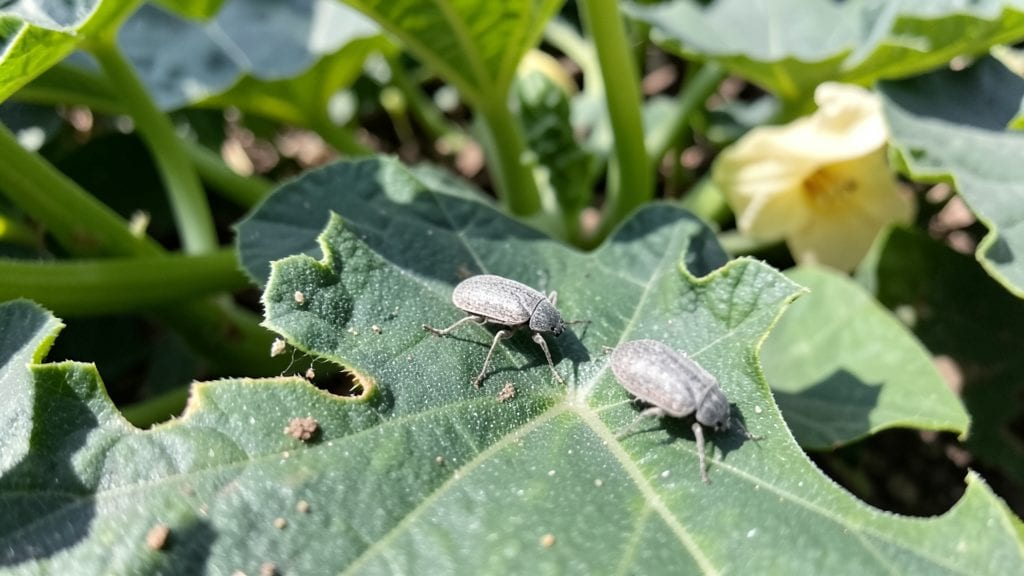
Those grey bugs on squash plants? They’re squash bugs—and they’ll flatten your harvest faster than you can say "summer zucchini." I’ve watched entire vines wilt from these shield-shaped invaders, but I’ve also saved crops by acting fast.
The key is spotting them early, before they hide under leaves or lay eggs in the soil.
These pests thrive in warm, humid weather, and once they take hold, they’re hard to shake. Adults suck plant juices, while nymphs cluster on stems, leaving behind sticky honeydew that attracts mold. The damage starts small—yellowing leaves—but without intervention, your squash plants can collapse entirely by midsummer.
You can stop them with simple, effective methods: handpick adults, use row covers early in the season, or spray neem oil on young nymphs. Companion planting with radishes or nasturtiums also deters them naturally. The sooner you act, the more of your harvest you’ll save—no chemical sprays required.
Even if you’ve lost a crop before, this guide will show you how to break the cycle. With the right timing and tools, you’ll keep your squash plants thriving and those grey invaders out of your garden for good.
Root Causes Of Grey Invaders
When you spot fuzzy grey bugs on your squash plants, they’re almost always squash bugs (Anasa tristis) or their nymphs—tiny, flat, oval-shaped pests that thrive in warm, moist conditions. These insects don’t just appear out of nowhere; their presence is usually tied to specific environmental and agricultural factors.
Understanding why they target your squash (and other cucurbits like zucchini and pumpkins) is the first step to preventing future outbreaks. Below, we break down the key reasons these grey pests show up in your garden.
Squash bugs are opportunistic feeders—they zero in on plants that are already struggling. When your squash plants are stressed due to:
- Poor spacing: Squash vines that grow too close together create shaded, humid microclimates—ideal for squash bug eggs and nymphs. Overcrowding also weakens plants, making them easier targets for pests.
- Nutrient deficiencies: Lack of nitrogen, phosphorus, or potassium can stunt growth, reducing the plant’s ability to fend off insects. Yellowing leaves or stunted vines are red flags.
- Water stress: Both overwatering (which promotes fungal diseases and slug activity) and underwatering (causing wilting) create conditions that attract squash bugs.
Why it matters: Healthy, well-spaced squash plants with strong vigor are far less appealing to squash bugs. These pests prefer easy meals—weak plants are their buffet.
Squash bugs love warmth and moisture. Their life cycle accelerates in temperatures between 70–90°F (21–32°C), with high humidity providing the perfect breeding ground. Here’s how your garden might be unintentionally inviting them:
- Mulch buildup: Thick organic mulch (like straw or grass clippings) traps moisture and heat near the soil, creating a squash bug nursery. They lay eggs in the soil, and damp conditions help them hatch faster.
- Low airflow: Dense foliage or tall weeds block wind and sunlight, keeping the area stagnant and humid. Squash bugs thrive in these shaded, damp pockets.
- Rainy seasons: Prolonged wet weather softens plant tissues, making them easier for squash bugs to pierce and feed on. Heavy dew or irrigation also contributes.
Pro tip: 🌡️ If your garden stays damp for more than a few hours after watering, you’re likely creating the perfect squash bug hotel. Aim for morning watering to allow foliage to dry by evening.
Squash bugs are overwintering masters. They spend winter hiding in garden debris, then emerge in spring to lay eggs near host plants. If your garden has:
- Old plant residue: Leftover squash vines, pumpkin gourds, or even compost piles provide shelter for adult squash bugs to survive cold months.
- Weeds or ground cover: Plants like smartweed or purslane can host squash bugs before they migrate to your squash patch.
- Unturned soil: Squash bug eggs are laid in the soil and can remain dormant for months, waiting for the right conditions to hatch.
Key insight: A clean garden in fall is your best defense. Squash bugs can’t survive if their hiding spots are removed—so clear out old vines, weeds, and debris before they become a problem.
Squash bugs are specialists—they only target plants in the Cucurbitaceae family (squash, pumpkins, cucumbers, melons). If you’ve grown squash, zucchini, or cucumbers in the same spot year after year, you’re signaling to squash bugs: “All-you-can-eat buffet here!”
Without crop rotation, the soil and surrounding area become infested with eggs and adults, leading to exponential growth in populations. Even if you switch to tomatoes or peppers, squash bugs will still seek out nearby cucurbits.
Actionable fix: Rotate your squash plants to a different family (like beans, brassicas, or nightshades) every 2–3 years to break the squash bug life cycle.
By addressing these root causes—plant health, microclimate control, debris removal, and crop rotation—you’ll disrupt the conditions that attract grey squash bugs. Prevention is far easier (and less messy) than battling an infestation mid-season! 🚫🐛
Quick Fixes for Squash Plant Pests
Grey bugs on your squash plants can feel like an unwelcome invasion, but don’t panic—there are practical ways to tackle them before they take over. The key is identifying the culprit first (like squash bugs, spider mites, or aphids) and then applying the right solution.
Below, we break down cause-specific fixes with step-by-step instructions and prevention tips to keep your garden thriving.
Squash bugs are the sneakiest pests, hiding under leaves and laying eggs in clusters. If you spot grey, shield-shaped adults or tiny black eggs, act fast!
👨🍳 Step 1: Handpick Adults and Nymphs
- When? Early morning when bugs are sluggish.
- How? Wear gloves and crush adults between your fingers or drop them into soapy water.
- Pro Tip: 💡 Check under leaves, along stems, and in leaf axils—their favorite hiding spots!
🔪 Step 2: Scrape Off Egg Clusters
- When? Before eggs hatch (they’re orange-red and jelly-like).
- How? Use a plastic spoon or your fingernail to scrape clusters into a cup of soapy water.
- Pro Tip: 🌡️ Do this every 2–3 days during peak squash bug season (late spring to summer).
🥘 Step 3: Apply Organic Sprays
- Neem Oil: Mix 1 tbsp neem oil + 1 tsp mild soap + 1 quart water.
Spray undersides of leaves every 5–7 days. - Kaolin Clay: Sprinkle or spray to create a barrier that bugs dislike (follow package instructions). - Pyrethrin Spray (Last Resort): Use only when bugs are severe—it’s toxic to bees, so apply in the evening.
✨ Prevention Tips
- Rotate Crops: Avoid planting squash, pumpkins, or cucumbers in the same spot yearly.
- Use Row Covers: Protect young plants with lightweight fabric until they’re established.
- Plant Repellents: Interplant with nasturtiums, radishes, or marigolds to deter squash bugs naturally.
Tiny grey or red spider mites thrive in dry, dusty conditions. If you see webbing or stippled leaves, they’re likely the culprits.
💦 Step 1: Blast Them Off with Water
- How? Use a strong spray nozzle to blast both sides of leaves for 10–15 seconds. Repeat every 2–3 days.
- Pro Tip: 🎯 Do this in the early morning to reduce stress on plants.
🌿 Step 2: Increase Humidity
- How? Mist plants daily or place a tray of water near them. Spider mites hate humidity!
- DIY Trick: Hang a damp towel over nearby plants to raise moisture levels.
🍎 Step 3: Use Miticides (Organic Options)
- Insecticidal Soap: Mix 1 tbsp castile soap + 1 quart water.
Spray directly on mites (reapply every 5 days). - Horticultural Oil: Apply in the evening to suffocate mites (follow label rates). - Predatory Mites: Release Phytoseiulus persimilis (sold online) to eat spider mites naturally.
🔥 Prevention Tips
- Keep Plants Healthy: Water deeply at the base (not overhead) to avoid stress.
- Prune for Airflow: Remove crowded or diseased leaves to reduce hiding spots.
- Yellow Sticky Traps: Place near plants to catch mites early.
Grey aphids (often fuzzy or winged) cluster on new growth, sucking sap and spreading viruses.
🧼 Step 1: Blast with Soapy Water
- How? Mix 1 tsp mild liquid soap (like Castile) + 1 quart water. Spray directly on aphids.
- Pro Tip: 💡 Repeat every 3–4 days until gone—aphids reproduce fast!
🌱 Step 2: Introduce Beneficial Insects
- Ladybugs: Release 10–20 adults per plant (they eat 5,000 aphids in a lifetime!).
- Lacewings: Their larvae are aphid-eating machines—order online or attract with dill or fennel.
- Parasitic Wasps: Tiny but mighty—look for Aphidius colemani at garden centers.
🌿 Step 3: Use Homemade Sprays
- Garlic Spray: Blend 2 garlic cloves + 1 tsp cayenne + 1 quart water. Strain and spray weekly.
- Neem Oil: Same recipe as above—disrupts aphid life cycles.
🎯 Prevention Tips
- Remove Debris: Clear fallen leaves where aphids overwinter.
- Avoid Over-Fertilizing: Too much nitrogen attracts aphids.
- Plant Basil or Mint: These repel aphids naturally near squash.
- Rotate Treatments: Don’t rely on one method—combine handpicking, sprays, and beneficial insects.
- Monitor Daily: Check plants every 2–3 days for new eggs or signs of reinfestation.
- Clean Tools: Sterilize pruners with rubbing alcohol to avoid spreading pests.
- Quarantine New Plants: Inspect and isolate any new additions to your garden for 1 week.
Remember: The sooner you act, the easier it is to protect your squash! Most pests can be managed without chemicals if you catch them early. Happy gardening! 🌱🐞
Frequently asked questions
What do those grey bugs on my squash plants actually look like?
Most grey bugs on squash are squash bugs—flat, oval adults with grey shields and black legs, about 1/2 inch long. Their nymphs are tiny, black, and cluster near stems. Spider mites appear as tiny grey or red dots with webbing, while aphids are fuzzy grey clusters on new growth. Check leaf undersides and stems first!
Why do these bugs only show up when my squash plants are already struggling?
Stressed plants attract pests because they’re easier to feed on. Squash bugs target weak vines with yellowing leaves or poor spacing, while spider mites thrive in dry, dusty conditions. Healthy plants with good airflow naturally repel them. Focus on strong growth to deter infestations!
Can I use neem oil if I already have eggs laid on my squash plants?
Neem oil works best on nymphs and adults, but it won’t kill eggs. For egg clusters, scrape them off first, then apply neem oil to prevent hatching. Reapply every 5–7 days for ongoing protection—it disrupts their life cycle over time.
Will row covers stop squash bugs from attacking my plants?
Yes! Lightweight row covers create a physical barrier that blocks adults from laying eggs. Install them early in the season (before bugs appear) and remove when flowers appear for pollination. For organic growers, this is one of the most effective prevention methods!
How do I know if my squash bugs have already overwintered in my garden?
Check for adult squash bugs hiding in garden debris (like old vines or mulch) in early spring. Their eggs also overwinter in soil—look for tiny black specks near plant bases. Clear out all plant residue in fall to break their cycle!