
Plants
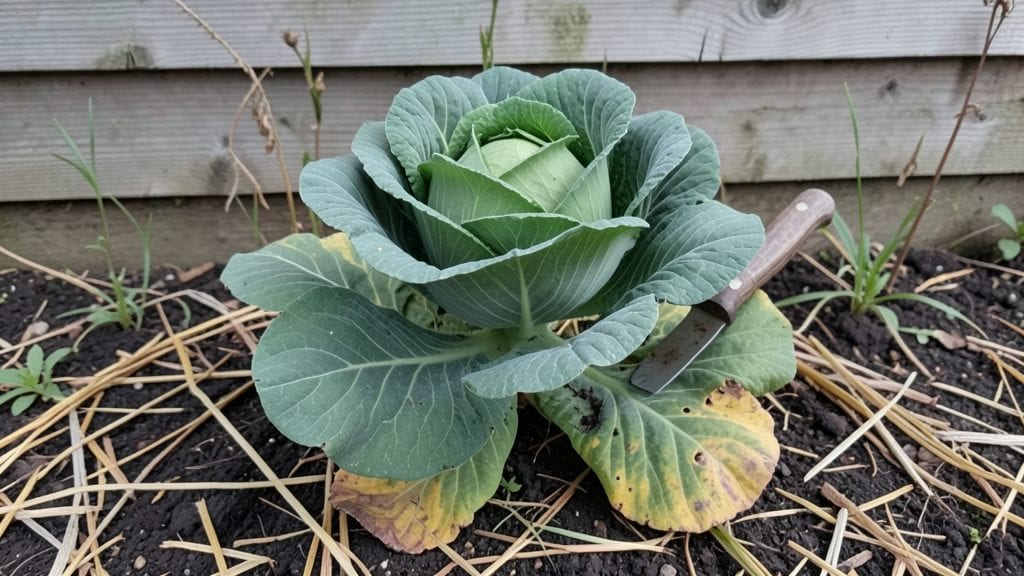
Harvesting cabbage plants at the right time turns firm heads into crunchy, flavorful meals that last for months in storage.
Cabbage plants can turn your garden into a bountiful harvest—but timing and technique make all the difference in flavor, texture, and storage life.
If you wait too long, the heads split open and lose their crispness. Cut too early, and you miss out on the full sweetness and storage potential. The key is knowing when the head feels firm and reaches 6-8 inches in diameter, with tightly wrapped outer leaves.
In this guide, I’ll walk you through the exact moment to harvest, the proper cutting method to keep your cabbage fresh, and how to store it for maximum shelf life.


When to harvest cabbage plants for peak flavor and storage potential
Harvesting cabbage at the right time ensures maximum flavor and long storage life. Miss the window, and you risk bitter taste or rotting heads. The ideal harvest moment balances head size, leaf tightness, and weather conditions—all critical for preserving your harvest through winter.
I’ve learned that even a few days too early or late can ruin months of hard work.
Cabbage heads mature at different rates depending on the variety and growing conditions. Some varieties like Golden Acre or Early Jersey Wakefield reach harvest in 60-75 days, while others like Late Flat Dutch take 100-120 days.
Paying attention to visual cues and seasonal timing is key to avoiding premature bolting or overripe heads.
| Harvest Stage | Head Size | Leaf Condition | Best Time | Storage Potential |
|---|---|---|---|---|
| Early Maturity | 4-6 inches | Loose outer leaves | Avoid—risk of bolting | Poor (short shelf life) |
| Ideal Harvest | 6-8 inches | Tightly wrapped, firm | Cool, dry mornings | Excellent (3-6 months) |
| Overripe | 8+ inches, splitting | Loose, yellowing leaves | Avoid—bitter, spoils fast | None (immediate use) |
| Late Fall | 6-8 inches | Firm, cold-hardy | Before first frost | Good (2-3 months) |
The best time to harvest cabbage is on a cool, dry morning when temperatures are below 75°F (24°C). Heat stress can cause heads to split or bolt, ruining their storage potential.
I always check the weather forecast and harvest a few days before rain to prevent rot or mold from setting in.
Look for tightly wrapped leaves that feel firm to the touch. A fully mature head should measure 6-8 inches in diameter, depending on the variety. If the head feels soft or spongy, it’s overripe and won’t store well.
Pro tip: Gently squeeze the head—if it snaps easily when bent, it’s ready for harvest.
Seasonal timing also plays a role. Early varieties like Early Jersey Wakefield are best harvested in late summer, while late varieties like Late Flat Dutch can wait until early fall.
Harvesting too early results in small, loose heads with poor flavor, while waiting too long leads to bitter, woody textures.
Temperature matters beyond just harvest day. Cabbage stores best in cool, dark conditions between 32-40°F (0-4°C). If you harvest during a heatwave, the heads may overheat and spoil faster.
I’ve found that harvesting in late summer or early fall gives the best balance of flavor and storage life.
Avoid harvesting cabbage after a hard frost, as cold damage accelerates spoilage. Instead, harvest 1-2 weeks before the first expected frost to ensure you get the full storage potential. For winter storage, leave the outer leaves intact—they act as natural insulation against cold.
One common mistake is harvesting cabbage based solely on head size. Some varieties, like savoy cabbage, develop wrinkled leaves but still need to be harvested when the head is firm and fully formed. Always prioritize leaf tightness and color vibrancy over size alone.
For long-term storage, focus on harvesting when the head is fully mature but not overripe. This ensures the crispest texture and sweetest flavor, which is especially important if you’re fermenting or saving for winter meals.
A well-timed harvest can extend your cabbage’s shelf life from weeks to months.
If you’re unsure whether your cabbage is ready, check the stem. A mature head will have a thick, sturdy stem that doesn’t easily pull out. If the stem snaps or breaks cleanly, it’s a sign the head is fully developed and ready for harvest.
This simple test saves time and prevents wasted effort on underripe heads.
Step-by-step guide to cutting cabbage for maximum shelf life
Once your cabbage plants reach maturity, the way you harvest them determines how long they’ll stay fresh. A clean, precise cut prevents rot and extends storage life by weeks or even months.
Use the wrong technique, and you’ll end up with a soggy mess in no time. Let’s break down the exact steps to harvest your cabbage like a pro.
Start by gathering the right tools and materials. You’ll need a sharp chef’s knife or pruning shears, a clean cloth or towel, and a cool, dark storage space (like a root cellar or fridge).
Avoid using dull tools—they crush the stems and invite pests. Work on a dry day to minimize moisture exposure, which speeds up spoilage.
How to Harvest Cabbage for Long-Term Storage
-
Step 1: Choose the Right Cabbage
Select a head that’s firm, compact, and fully colored. Gently squeeze it—if it feels soft or spongy, it’s overripe. Avoid heads with yellowing leaves or visible pests. -
Step 2: Cut at the Base
Hold the cabbage firmly and make a clean, diagonal cut about 1-2 inches above the soil line. Angle the blade slightly to avoid damaging the outer leaves, which protect the head during storage. -
Step 3: Trim Loose Leaves
Remove any wilted or damaged outer leaves but leave the tightly wrapped inner layers intact. These act as a natural barrier against moisture loss and rot. -
Step 4: Let It Dry
Place the harvested cabbage in a shady, well-ventilated area for 1-2 hours. This allows the cut stem to dry slightly, reducing the risk of fungal infections during storage. -
Step 5: Store Properly
Store whole cabbages in a cool (32-40°F), humid (90-95%) environment. Use a plastic bag with ventilation holes or a perforated container in the fridge. For long-term storage, wrap the head in newspaper or burlap and place it in a root cellar.
After harvesting, inspect your cabbages for any hidden bruises or soft spots. These are prime spots for rot, so remove them immediately. If storing in the fridge, place the cabbage on a ventilated shelf rather than in a sealed crisper drawer—this prevents excess moisture buildup.
For extended storage (3+ months), consider fermenting or freezing, but whole heads stored correctly can last up to 6 months.
One common mistake is cutting too close to the stem, which exposes the core to moisture. Always leave a 1-2 inch stub to maintain structural integrity. Another tip: harvest in the morning when temperatures are cooler. This reduces stress on the plant and keeps it fresher longer.
With these steps, your cabbage will stay crisp and flavorful for weeks—perfect for soups, salads, or fermenting. Happy harvesting! 🥬