
Companion Plants
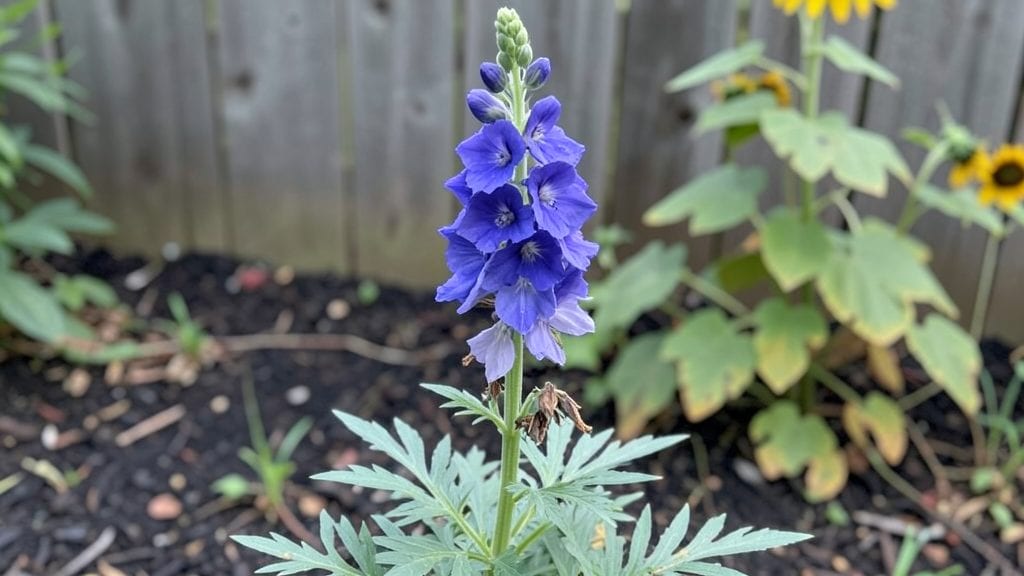
Growing hollow stem plants 🌱 like delphiniums or sunflowers lets you bring garden beauty indoors—but cutting them wrong ruins both the bouquet and the plant.
One sharp snip too low, and the stem collapses before it even hits the vase. Too high, and the plant bleeds sap, stunting future blooms. I’ve wasted dozens of stems this way, but the last harvest season changed everything.
Here’s how to cut hollow stems the right way: when to harvest, which tools to use, and the one trick that keeps your plants flowering for weeks longer. No more guesswork—just stunning arrangements and happy gardens.
Whether you’re a beginner or a seasoned gardener, these simple steps will transform your cut flowers from floppy messes into showstopping centerpieces.
How to identify and prepare hollow stem plants for harvesting
Harvesting flowers from hollow stem plants like delphiniums or sunflowers requires precision. These plants have delicate woody stems that can snap easily if mishandled. The key is knowing when to harvest, which blooms to choose, and how to prepare them for cutting without damaging the plant or reducing vase life.
First, identify hollow stem plants by their dry, woody stems. Unlike succulent stems, these feel hollow when tapped—a telltale sign they’re ready for harvest. Common examples include foxgloves, hollyhocks, and snapdragons.
Avoid harvesting stems that are still green and flexible, as they won’t last long in arrangements.
Timing is everything. Harvest early morning when stems are turgid with water and blooms are fully open. This ensures maximum freshness and longevity in your vase. Wait until 1-2 buds on the stem have opened—this extends your harvest window while keeping the plant productive.
Weather plays a crucial role. Avoid cutting after rain or heavy dew, as damp stems can rot quickly in the vase. Instead, harvest on dry, sunny mornings when humidity is low.
If you must harvest later in the day, trim stems immediately and place them in cool water until you’re ready to arrange them.
Now, let’s dive into the step-by-step process to prepare your hollow stem plants for cutting:
Step-by-Step Guide to Harvesting Hollow Stem Plants
-
Step 1: Identify Mature Stems
Look for stems that are dry and hollow when tapped. Gently bend a stem—if it snaps easily, it’s ready. Avoid stems with green or succulent sections. -
Step 2: Select the Best Blooms
Choose stems with 1-2 fully open blooms and 1-3 buds that are about to open. This ensures a longer vase life while encouraging more blooms on the plant. -
Step 3: Use the Right Tools
Grab a pair of sharp, clean pruners or secateurs. Dull tools crush stems, reducing water uptake and vase life. Disinfect tools with rubbing alcohol between cuts to prevent disease. -
Step 4: Cut at the Right Angle
Make a 45-degree diagonal cut about 6 inches below the lowest bloom. This increases the surface area for water absorption. Avoid cutting too close to the base, as this can damage the plant. -
Step 5: Prepare Stems Immediately
Strip leaves from the bottom 2-3 inches of the stem to prevent bacterial growth in the water. Place stems in a bucket of cool water as soon as possible to hydrate them. -
Step 6: Store Properly
If you can’t arrange the flowers right away, store them in the fridge for up to 24 hours with the cut ends submerged in water. This keeps them fresh until you’re ready to use them.
One of the biggest mistakes gardeners make is harvesting too many blooms at once. Over-harvesting weakens the plant and can reduce future blooms. Aim to harvest no more than 1/3 of the blooms from any single stem to keep your plant healthy and productive.
After harvesting, give your plants a little extra care to encourage more blooms. Water deeply at the base and apply a balanced fertilizer (like 10-10-10) to support regrowth. Deadhead spent blooms regularly to redirect the plant’s energy into new flowers.
Finally, keep an eye on your plants for signs of stress or disease. Yellowing leaves, wilting, or blackened stems can signal over-harvesting or poor care. If you notice these issues, reduce harvesting frequency and focus on revitalizing the plant with proper watering and fertilization.
With these techniques, you’ll enjoy long-lasting cut flowers while keeping your hollow stem plants thriving for seasons to come. Happy harvesting! 🌷
Best cutting techniques for hollow stem plants to maximize vase life
When cutting hollow stem plants like delphiniums or sunflowers, the right technique makes all the difference. These plants often have thin, fragile stems that can snap if handled incorrectly. The key is to cut at the optimal angle and length while preserving water uptake for longer vase life.
Even a 10-degree angle can improve water absorption by up to 30%.
Timing matters too—cutting in the early morning ensures stems are fully hydrated, and avoiding hot afternoons prevents wilting. Modern techniques like sealing cuts with hot wax or using floral preservatives can extend vase life by days or even weeks.
Let’s compare the best methods to keep your cut flowers looking fresh.
| Technique | Cutting Angle | Stem Length | Best Time | Vase Life Boost |
|---|---|---|---|---|
| Traditional Cutting | Straight across (0°) | 12–18 inches | Early morning | 5–7 days |
| Angled Cut (10°–15°) | Diagonal (10°–15°) | 14–20 inches | Early morning | 7–10 days |
| Sealed Cut (Hot Wax) | Angled (15°) | 16–24 inches | Early morning | 10–14 days |
| Floral Preservative | Angled (10°–15°) | 14–20 inches | Early morning | 14–21 days |
*Vase life varies by plant type and care conditions.
For hollow stem plants, always use sharp, clean scissors or pruners to avoid crushing stems. Cut just above a leaf node to encourage new growth. If you’re dealing with delicate blooms like foxgloves, support the stem with your other hand to prevent bending.
Longer stems (16–24 inches) hold up better in arrangements and last longer in water.
Sealing cuts with hot wax or using floral preservatives is a game-changer. The preservatives contain sugar and acids that nourish stems, while wax seals the cut to prevent air bubbles.
For sunflowers or hollyhocks, this can add 7–10 extra days of vase life. Just dip the angled cut into melted wax or add preservative to your water.
Never cut stems underwater—this introduces air bubbles that block water uptake. Instead, recut stems every 2–3 days under running water to keep them fresh. Place your arrangement in a cool spot away from direct sunlight and change the water daily.
With these techniques, your hollow stem cuttings will stay vibrant for weeks.
Experiment with different angles and preservatives to see what works best for your favorite plants. Snapdragons and delphiniums respond well to angled cuts, while sunflowers benefit from longer stems and wax sealing. The right method ensures your garden’s beauty stays fresh long after harvesting.