
Planting
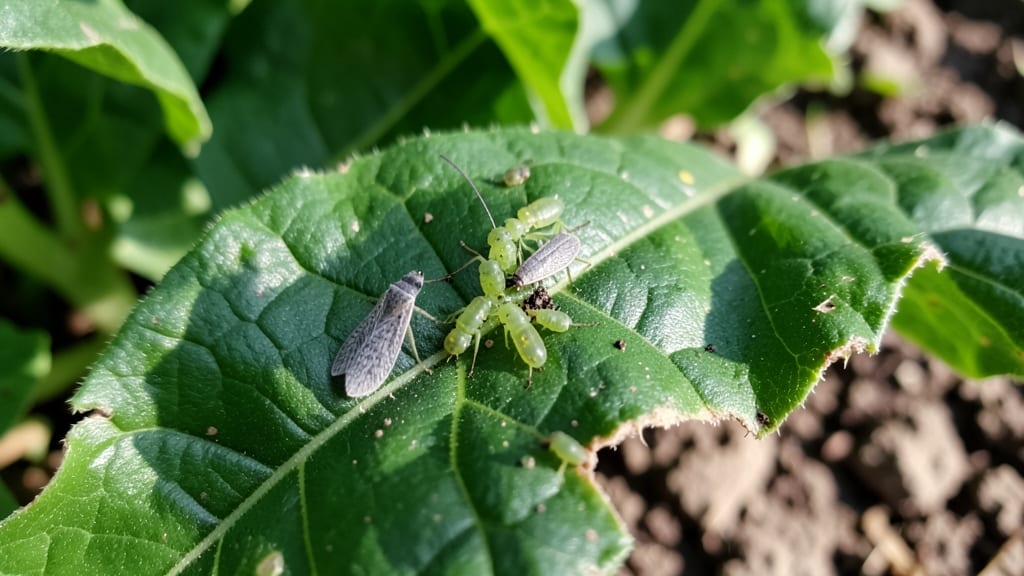
Hosta plant bugs are silently sabotaging your garden’s stunning foliage 🌿 before you even notice the damage.
Your lush hosta plants could be silently battling hidden pests—yet many gardeners overlook the subtle signs until it’s too late. Identifying and treating hosta bugs early is the key to preserving those stunning foliage patterns and vibrant blooms.
From slugs leaving slime trails to aphids clustering on new growth, these pests thrive in the damp, shady conditions hostas love. The good news? With the right quick fixes, you can protect your plants without harsh chemicals.
Here’s how to spot the most common culprits, stop the damage fast, and keep your hostas thriving all season long.


Identifying common hosta plant bugs and their damage signs
Hostas are prized for their stunning foliage, but they’re also a magnet for hosta plant bugs that can turn your garden masterpiece into a skeleton in no time. The key to protecting your plants lies in recognizing the damage signs early—before the pests become a full-blown infestation.
Slugs, snails, aphids, earwigs, and hosta borers each leave distinct clues about their presence, and knowing what to look for can save your hostas from irreversible harm.
Start by examining your hosta leaves for irregular holes or ragged edges, which are classic signs of chewing pests. Slugs and snails leave behind silver slime trails on leaves and soil, while aphids cluster on the undersides, creating sticky residue.
Earwigs and borers, on the other hand, cause more subtle damage—like wilting or yellowing—that’s often overlooked until the plant is already stressed.
Visual identification is your first line of defense. For example, slugs and snails are nocturnal, so you’ll likely spot their damage in the morning. Aphids, however, are visible during the day as tiny green or black insects clustered on new growth. Meanwhile, earwigs hide in moist, dark areas but emerge at night to feed on leaves, leaving behind small, irregular bites.
One of the most destructive (but least obvious) pests is the hosta borer, a caterpillar that tunnels into the center of the plant. You might notice frass (sawdust-like droppings) around the base or wilting despite adequate watering.
If you pull back the outer leaves, you may even see the borer itself—a pale, hairy caterpillar chewing away from the inside.
To make identification easier, I’ve created a quick-reference summary table below that breaks down the key characteristics of these pests, including their damage patterns, active times, and distinguishing features. Keep this handy as you inspect your hostas, and you’ll be able to spot trouble before it spreads.
| Pest | Damage Signs | Active Time | Distinguishing Features |
|---|---|---|---|
| Slugs | Large, irregular holes; slime trails | Night | Soft, gray-brown bodies; leave shiny slime |
| Snails | Notched holes; slime trails | Night | Hard shell; slower movement than slugs |
| Aphids | Sticky residue; curled leaves | Day and night | Tiny, green/black clusters on undersides |
| Earwigs | Small, irregular holes; chewed edges | Night | Pincer-like cerci; hide in mulch |
| Hosta Borers | Wilting; frass near base; tunneling | Day and night | Pale, hairy caterpillars; sawdust-like droppings |
Now that you know what to look for, the next step is to act quickly. For example, if you spot slugs or snails, handpick them at night with a flashlight or set up beer traps (a shallow dish filled with beer buried at soil level).
Aphids respond well to a soapy water spray, while earwigs can be deterred with diatomaceous earth around the base of your hostas. For hosta borers, you’ll need to prune and destroy infested leaves immediately to prevent further damage.
Pay special attention to the undersides of leaves, where many pests hide. Aphids, for instance, love to cluster there, and their sticky residue can attract ants, which further complicate the problem.
If you notice ants crawling on your hostas, it’s a red flag that aphids are nearby. In this case, treat both pests simultaneously to avoid a repeat infestation.
Seasonal patterns also play a role in pest activity. Slugs and snails are most active during warm, humid nights in spring and fall, while aphids thrive in warm, dry conditions during summer. Earwigs, however, are year-round pests but become more aggressive in moist environments.
Understanding these patterns helps you time your preventive measures effectively, such as applying copper tape barriers in early spring or using row covers during peak aphid season.
Don’t wait until your hostas look like Swiss cheese to take action. Regular inspections—especially after rain or in the early morning—can catch hosta plant bugs before they cause significant damage. With this guide and the summary table as your reference, you’ll be well-equipped to
Natural and chemical solutions for hosta bug control
When hosta bugs strike, your first instinct might be to reach for harsh chemicals—but that’s not always the best choice. Many organic solutions work just as effectively while keeping your garden eco-friendly and safe for beneficial insects.
The key is matching the right treatment to the specific pest and applying it at the right time.
For example, slugs and snails thrive in damp conditions and leave telltale slime trails, while aphids cluster on new growth, causing curled leaves. Understanding these differences helps you choose between natural remedies like neem oil or chemical controls like insecticides.
Let’s break down your options, including when to use each and how to apply them safely.
Natural vs. Chemical Solutions for Hosta Bugs
Natural Solutions
- Neem Oil: Effective against aphids, mites, and borers; disrupts insect life cycles.
- Diatomaceous Earth: Kills slugs, snails, and earwigs by dehydrating them (reapply after rain).
- Beer Traps: Attracts and drowns slugs and snails—place shallow dishes of beer near plants.
- Handpicking: Remove large pests like earwigs or caterpillars early in the morning.
✅ Pros: Safe for pets, beneficial insects, and organic gardens. No residue buildup.
❌ Cons: Requires frequent reapplication; some methods (like beer traps) attract pests temporarily.
Chemical Solutions
- Insecticidal Soap: Targets aphids, mites, and soft-bodied insects; kills on contact.
- Systemic Insecticides: Absorbed by plant; effective against borers and chewing insects.
- Iron Phosphate Baits: Kills slugs and snails without harming other wildlife.
- Pyrethrin Sprays: Fast-acting against earwigs and beetles but toxic to bees.
✅ Pros: Fast results; long-lasting protection for severe infestations.
❌ Cons: Can harm beneficial insects; may require protective gear during application.
For slugs and snails, I’ve had the most success with a combination of copper tape barriers (which create a mild electric shock) and iron phosphate baits.
Apply the bait in the evening when pests are most active, and place copper tape around the base of your hostas to create a physical barrier. This method is chemical-free and works within 24-48 hours.
When dealing with aphids or mites, I turn to neem oil mixed with a drop of dish soap as a natural insecticide. Spray the undersides of leaves where aphids hide, focusing on new growth where they cluster.
Reapply every 7-10 days or after rain, as neem oil breaks down quickly. Always apply in the early morning or late evening to avoid harming bees.
For earwigs or hosta borers, chemical solutions like systemic insecticides can be more effective. These are absorbed by the plant and provide long-term protection, but they should be used as a last resort.
If you choose this route, follow the label instructions carefully, including protective gear like gloves and a mask. Timing is critical—apply in the early spring before pests become active.
Safety is paramount when using chemical treatments. Always wear gloves and long sleeves, and avoid applying insecticides on windy days to prevent drift. If you have children or pets, opt for organic solutions like diatomaceous earth or handpicking, which are non-toxic once dry.
For severe infestations, consider consulting a local gardening expert to tailor a treatment plan that balances effectiveness and safety.