
Pruning
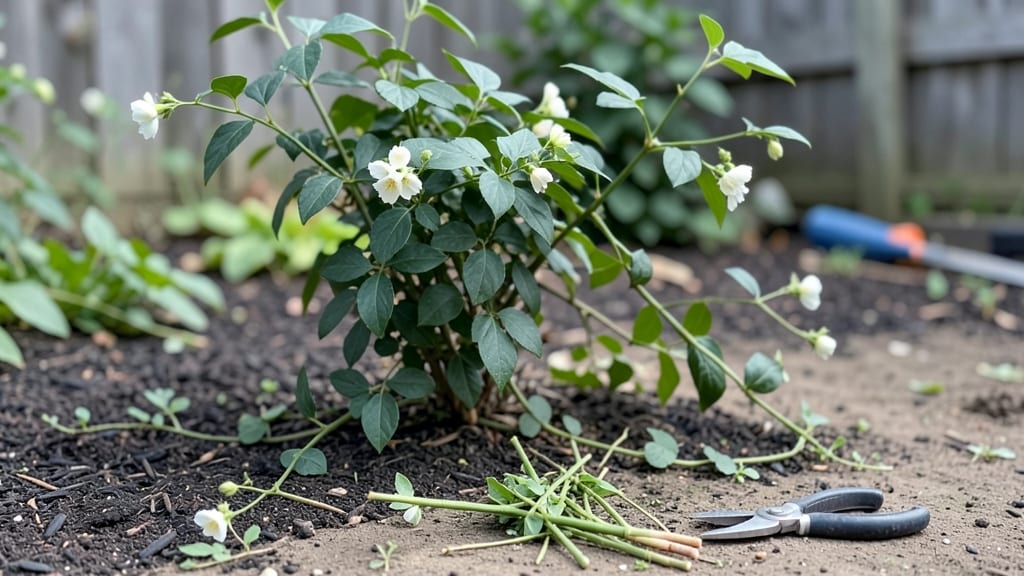
Trimming your jasmine plant isn't just about keeping it tidy—it’s the secret to year-round blooms that perfume your yard like a secret garden. 🌿 I’ve learned the hard way that skipping this step means fewer flowers and more tangled vines, but once you master the timing and technique, your jasmine will reward you with fragrant clusters all season long.
The key is working with the plant’s natural rhythm: late winter or early spring is prime time for major shaping, while light trims after blooms encourage more flowers.
You’ll only need basic tools—a pair of sharp pruners and maybe a small ladder for higher branches—and the process takes less than 30 minutes for most plants. Even overgrown vines can bounce back with the right approach.
By the end, you’ll have a jasmine that’s fuller, healthier, and blooming three times a year instead of just once. The air will smell sweeter, the vines will grow stronger, and you’ll avoid the heartbreak of seeing your plant struggle. Ready to transform that wild tangle into a fragrant masterpiece?
This works for both climbing varieties and bush forms, whether you’re dealing with a 5-year-old vine or a brand-new plant. Let’s get those blooms coming back stronger than ever.
📚 In This Guide
- What you need
- Instructions
- Tips and common mistakes
- Wrapping up and next steps
What you need
- ● Sharp bypass pruners – Choose a pair with clean, stainless-steel blades (4-6 inch size works best for most jasmine varieties). Pro tip: Disinfect with rubbing alcohol before and after use to prevent disease! 💡
- ● Hand pruners or shears – For smaller stems (2-3 inch blades) if your plant has delicate branches.
- ● Gloves – Opt for gardening gloves (nitrile-coated for grip) to protect your hands from thorns (common in star jasmine) and sap.
- ● Rubbing alcohol (70% or higher) – 1 small bottle (4 oz) for sterilizing tools.
- ○ Pruning sealant (optional but helpful) – A small tube of tree wound sealant to coat larger cuts and prevent infection.
- ● Garden twine or plant ties – 1-2 feet to secure branches if your jasmine is climbing or sprawling.
- ● Bucket or trash bag – For collecting pruned branches (a 5-gallon bucket or heavy-duty bag works).
- ● Loppers – For thicker stems (over ½ inch) if your jasmine is mature.
- ● Horticultural oil spray – To treat tools if you’re dealing with pests like aphids or spider mites.
- ● Plant food or compost – A small bag of balanced fertilizer (10-10-10) or compost to nourish your jasmine after pruning.
- ● Notebook & pen – To sketch a quick map of your plant’s shape before trimming (helps with precision!).
- ● Pruning saw – Only needed if your jasmine has very thick, woody stems (over 1 inch).
Step-by-Step instructions for trimming a jasmine plant
Here's the precise method I use to keep my jasmine blooming abundantly year after year.
✂️ Step 1: Prune After Spring Blooms to Encourage New Growth
Wait until 2-3 weeks after your jasmine finishes flowering in spring—you'll know it's done when you see very few open blooms and the new growth is about 6 inches tall. Using your clean, sharp pruning shears, cut back about one-third of the plant's length, focusing on older, leggy stems. Always cut just above a leaf node or bud where new growth can emerge.
This is the moment that matters: pruning now removes last season's growth and signals the plant to focus energy on fresh, vigorous shoots. I like to make my cuts at a 45-degree angle to prevent water from pooling on the stem, which could lead to rot. If your plant has any dead or diseased branches, remove those first—they'll never produce blooms and can spread problems.
✂️ Step 2: Lightly Shape in Late Summer for Fall Blooms
About 6 weeks before your first fall frost, give your jasmine a gentle shaping trim. Look for any branches that are growing too long or crossing each other—these compete for sunlight and energy. Cut these back to about 12-18 inches from the base, always making your cuts just above a leaf node.
Real talk: don't overdo it here. You're not trying to drastically reduce the plant's size, just encouraging a more compact shape that will handle winter better. I usually remove no more than 10-15% of the plant's total growth at this stage. Watch for new buds forming along the stems—these will develop into fall flowers if you've pruned at the right time.
✂️ Step 3: Minimal Winter Pruning to Remove Dead Growth
In late winter, just before new growth begins, do a final light pruning. Remove any branches that died back over winter—they'll be brown and crispy, with no green underneath. Cut these all the way back to the base. For healthy branches that still have some green at the base, trim back to just above a leaf node or bud.
This is the easiest pruning of the year because you're just cleaning up what winter already took care of. I promise, if you've done the spring and fall pruning right, you'll have very little to remove in winter. The goal here is to open up the plant's center so air can circulate and new growth gets plenty of sunlight.
🌿 Step 4: Maintain Year-Round with Light Trimming
Throughout the growing season, keep an eye out for branches that are growing too long or looking leggy. Pinch back the tips of these stems just above a leaf node to encourage bushier growth. Do this whenever you see new growth reach about 6 inches—it's an easy way to keep your jasmine compact and flowering heavily.
Here's the thing—jasmine responds beautifully to regular attention. I make it a habit to do a quick once-over every 4-6 weeks during the growing season. Just remove any dead flowers (deadheading) and any branches that are growing in awkward directions. You'll be rewarded with more blooms and a plant that looks full and healthy all season long.
Tips & tricks for perfect jasmine plant trimming
These seasonal strategies will help you keep your jasmine thriving and blooming beautifully all year.
Timing is Everything: In Step 1, when you're waiting those 2-3 weeks after spring blooms, watch for the telltale signs: new growth reaching 6 inches and fewer than 3-4 open blooms. This is your cue to prune. I've learned the hard way that pruning too early removes potential flower buds, while waiting too long means you're cutting back growth that could've produced more blooms. The 6-inch rule is your golden measurement.
Pruning Angle Matters: When making your cuts in Step 1, that 45-degree angle isn't just decoration—it's a water management technique. The angled cut prevents water from pooling at the stem base, which could lead to rot. I like to practice on a scrap piece of wood first to get the angle just right. Also, always cut just above a leaf node or bud—this is where new growth emerges from, and you'll get bushier, more productive branches.
Seasonal Pruning Strategy: For the late summer shaping in Step 2, think of it as a 10-15% haircut rather than a drastic makeover. You're not trying to reduce the plant's size—you're encouraging a more compact shape that will handle winter better. Look for branches growing in awkward directions or crossing others; these are the ones to trim back to 12-18 inches. This creates better airflow and sunlight penetration, which means more blooms in fall.
Winter Cleanup: In Step 3, when you're doing your minimal winter pruning, focus on the brown and crispy branches—these are dead and won't produce anything good. For branches with any green at the base, trim back to just above a leaf node. This is your chance to open up the plant's center. I've found that plants with good airflow are less prone to fungal issues and produce more vigorous new growth in spring.
Pro Tips for Trim Jasmine Plant
- These seasonal strategies will help you keep your jasmine thriving and blooming beautifully all year.
- Timing is Everything: In Step 1, when you're waiting those 2-3 weeks after spring blooms, watch for the telltale signs: new growth reaching 6 inches and fewer than 3-4 open blooms.
- Pruning Angle Matters: When making your cuts in Step 1, that 45-degree angle isn't just decoration—it's a water management technique.
Frequently asked questions
Got questions about keeping your jasmine plant lush and blooming? Here’s what you need to know—from timing tricks to troubleshooting common hiccups.
When is the best time to trim jasmine for maximum flowers?
Trim your jasmine plant right after blooming (late spring/early summer) to encourage new growth. For year-round blooms, do a light prune in fall (after the last flush of flowers) and a harder cutback in late winter (before new growth starts). Avoid heavy pruning in summer—it can stress the plant and delay flowering. Pro tip: If your jasmine blooms sporadically, prune just above a leaf node to redirect energy to flower production.
How much can I cut back my jasmine plant without killing it?
Jasmine is tough! You can safely remove up to 1/3 of the plant’s growth in one pruning session. For overgrown vines, cut back to healthy, outward-facing branches to maintain shape and airflow. Avoid cutting into old wood (thick, woody stems)—new growth comes from younger, green stems. Warning: Over-pruning in one go can shock the plant, so space heavy cuts over 2-3 sessions if needed.
What if my jasmine stops blooming after trimming?
No flowers? You might be pruning at the wrong time or cutting too aggressively. Bloom triggers:
- Prune after flowers fade (not before).
- Avoid trimming in late summer/fall—this can delay spring blooms.
- Check light: Jasmine needs 6+ hours of sun daily.
- Fertilize lightly with high-phosphorus fertilizer (like 10-20-10) post-prune to boost blooms.
Can I trim jasmine in pots the same way as in-ground plants?
Yes! Potted jasmine follows the same rules, but container size matters. If roots are root-bound, trim back 1/4 of the root ball and repot in early spring. For climbing varieties, prune vines to fit your trellis or pot—overcrowding reduces airflow and invites pests. Bonus: Pinch back tips of new growth in spring to encourage bushier, flower-heavy plants. Hot tip: Water thoroughly after pruning to help recovery.
What should I do if my jasmine looks sad after trimming?
Don’t panic! A "sad" jasmine usually just needs time and TLC:
- Check for yellow leaves (overwatering) or brown, crispy leaves (underwatering).
- Give it bright, indirect light (direct sun can scorch new growth).
- Hold off on fertilizing for 4–6 weeks to let it recover.
- Mist leaves daily if humidity is low (jasmine loves it damp!).
Wrapping up and next steps
Trimming your jasmine plant isn’t just about keeping it neat—it’s the secret to lush, fragrant blooms year-round! 🌸 By mastering the three seasonal tricks (spring, summer, and fall), you’ll encourage healthy growth, prevent overcrowding, and enjoy that heavenly scent for months.
Remember: sharp tools, clean cuts, and a little patience are all you need to transform your jasmine into a thriving, aromatic star.
Ready to take your gardening game to the next level? Grab your pruners and get trimming! Then, why not explore more pruning tips or share your progress with fellow plant lovers—your jasmine’s newfound beauty deserves to be celebrated! 🌿✨