
Planting
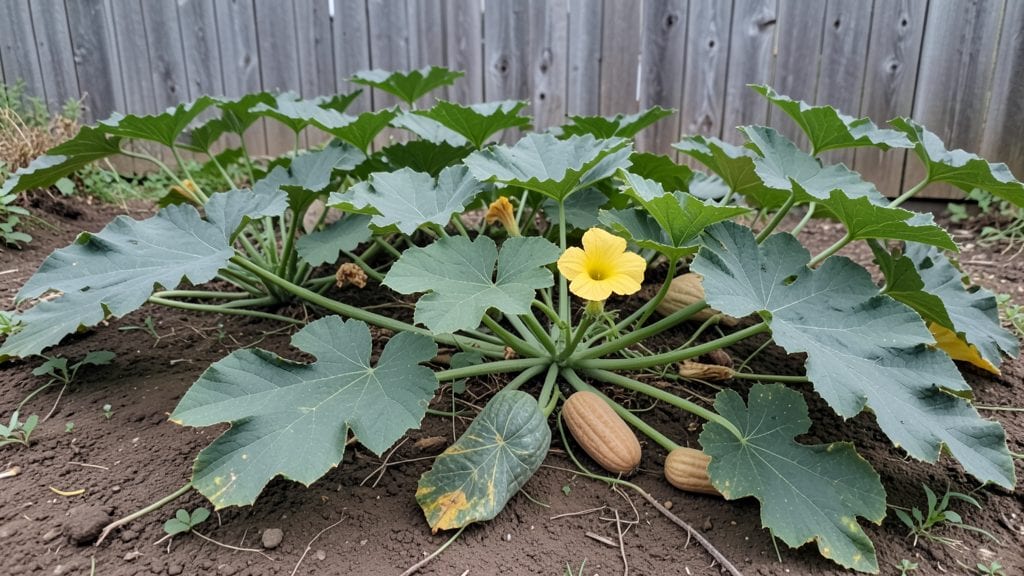
Growing a spaghetti squash plant that produces harvests all year isn't as tricky as it sounds—once you know these three pruning secrets. I learned the hard way that skipping this step means fewer squashes and more vines.
The key is timing, and it starts with your first cut in early summer.
Spaghetti squash thrives in warm soil and full sun, but even the hardiest plants need a little help. You'll need well-draining soil, consistent watering (about 1 inch per week), and a spot that gets at least 6-8 hours of sunlight daily.
The real magic happens when you prune those long vines to focus energy on fruit production. Most gardeners miss this, but it’s what turns a decent harvest into a bountiful one.
By pruning just three times—once when vines hit 3 feet, again when flowers appear, and a final trim before harvest—you’ll end up with squashes that grow straight and sturdy, not tangled messes.
The texture of those strands when cooked? Shockingly tender, with a nutty flavor that makes every bite feel like a reward. You’ll know you’ve done it right when your neighbors start asking for cuttings.
Works in zones 3-11, though cooler climates may need a longer growing season. Start seeds indoors 4-6 weeks before last frost, or transplant young plants after soil warms to 60°F.
The first harvest comes in 90-110 days, and with proper care, you’ll keep getting squashes until frost—or even year-round in warm climates. Here’s how to make it happen without the guesswork.
📚 In This Guide
- What you need
- Instructions
- Tips and common mistakes
- Wrapping up and next steps
What you need
- ● Spaghetti squash seeds: 3–5 seeds per plant (or 1–2 starter plants if transplanting). Choose heirloom or hybrid varieties like 'Golden Spaghetti' or 'Vegetable Spaghetti' for best results.
- ● Well-draining potting mix or garden soil: 5–10 gallons per plant (or a large container, minimum 12 inches deep if growing in pots). Amend soil with compost for better fertility.
- ● Organic fertilizer: Balanced 10-10-10 or compost tea (follow package instructions for application rates).
- ● Watering can or hose with a gentle spray nozzle: Spaghetti squash needs 1–2 inches of water per week, especially during flowering and fruiting.
- ○ Garden stakes or trellis (optional but helpful): 4–6 feet tall to support vines as they grow (spaghetti squash can sprawl up to 10 feet!).
- ● Pruning shears: Sharp, clean shears for trimming vines and deadheading (sterilize with rubbing alcohol between cuts).
- ● Gloves and long sleeves: Spaghetti squash vines can be prickly—protect your hands!
- ● Mulch (straw or shredded leaves): Helps retain moisture and suppress weeds.
- ● Row covers or shade cloth: Protects young plants from pests or excessive heat (especially in hot climates).
- ● Epsom salt (magnesium sulfate): A spoonful dissolved in water every 2–3 weeks can boost flower and fruit production.
- ● Companion plants: Try planting near beans, peas, or corn to improve soil health and deter pests.
- ● Harvest basket or large colander: Makes transporting squash easier once it’s ready!
Simple pruning techniques for a productive spaghetti squash plant
Here's how to keep your spaghetti squash thriving with minimal effort—no green thumb required.
Identify and Remove Suckers Early
Suckers are the small, aggressive shoots that sprout from the base of your main vine or where the stem meets the soil. These compete with your primary plant for nutrients and water, weakening both. I check for suckers every 7-10 days starting when the main vine reaches 12 inches tall. Use clean, sharp pruning shears to snip them off at the base—don’t leave any stubs, or they’ll regrow.
You’ll know you’ve caught them early when the vine still looks healthy and green. If you ignore them, the main plant will produce fewer fruits and may even stop flowering. Remove suckers consistently, and you’ll encourage the main vine to focus its energy on producing those sweet, fibrous squashes you love.
Prune Lower Leaves for Better Airflow
Once your plant reaches 3 feet tall, start pruning the largest, oldest leaves from the lower 18 inches of the vine. These leaves block airflow and trap moisture, creating the perfect conditions for fungal diseases like powdery mildew. Use your fingers or shears to gently pinch or cut them off at the stem. Aim to remove about 20% of the foliage in this area—enough to open things up but not so much that the plant looks stressed.
You’ll notice a difference within a week: the remaining leaves will look brighter and healthier. This isn’t about stripping the plant bare—it’s about giving it room to breathe. Prune on a dry morning so any cuts have time to dry out before evening dew settles in.
Trim Dead or Diseased Foliage Immediately
Spaghetti squash plants are tough, but they’re not immune to pests or disease. If you spot yellowing leaves, black spots, or wilting vines, don’t wait—remove them right away. Use sterilized shears to cut off the affected area ½ inch below the damage, and dispose of the clippings in the trash, not your compost bin. This stops the spread before it takes hold.
I always check the undersides of leaves first—pests like squash bugs love to hide there. If you see any signs of trouble, like chewed edges or sticky residue (aphids’ calling card), act fast. A healthy plant is your best defense, and pruning out the bad keeps the rest of your harvest safe.
Bonus: Encourage Bushier Growth with Strategic Pinching
When your main vine hits 4-5 feet, look for the first set of 5-7 true leaves. Pinch off the top 1-2 inches of the main stem just above a leaf node. This might sound counterintuitive, but it forces the plant to put energy into side shoots instead of just growing taller. Within 2-3 weeks, you’ll see new branches forming at the nodes below your pinch.
This trick works best in warmer climates where vines have plenty of time to recover. If you’re in a cooler zone, skip this step—your plant will still produce well without it. The goal is balance: you want enough foliage for photosynthesis but not so much that the plant struggles to support the weight of its own leaves.
Tips & tricks for pruning a productive spaghetti squash plant
Mastering these simple pruning techniques will help your spaghetti squash thrive all year long without overwhelming effort.
Timing is Everything: When you start checking for suckers every 7-10 days in Step 1, don't wait until the vine reaches 12 inches—begin monitoring at 10 inches. This gives you a 2-day head start on removing suckers before they become established. I've found that early intervention prevents the main vine from diverting energy to these aggressive side shoots, which directly translates to more squash production later in the season.
Tool Selection Matters: For Step 2's leaf pruning, I recommend using clean, sharp pruning shears rather than your fingers. The shears give you more control when removing those larger lower leaves, and they create cleaner cuts that heal faster. Sterilize your tools with rubbing alcohol between cuts to prevent spreading any potential diseases from leaf to leaf. This is especially important when you're working with the 20% foliage reduction mentioned in the instructions.
Visual Cues for Healthy Growth: In Step 3, when trimming diseased foliage, look for these telltale signs beyond just black spots: slightly curled leaves, white webbing (sign of spider mites), or tiny holes in the leaves (squash bug damage). I always check the undersides first—this is where pests love to hide. Removing just the affected leaves can sometimes be enough, but if you see multiple signs of trouble, it's better to remove more foliage to prevent the spread to healthy parts of the plant.
Climate Considerations: The strategic pinching in the bonus step works wonders in warm climates, but if you're in a cooler zone, consider waiting until the vine reaches 5 feet before attempting this. The 2-3 week recovery time might be too long for your growing season, and you don't want to stress the plant unnecessarily. In cooler climates, focus more on the early sucker removal and leaf pruning steps—they'll give you the biggest harvest boost regardless of temperature.
Pro Tips for Speghetti Squash Plant
- Mastering these simple pruning techniques will help your spaghetti squash thrive all year long without overwhelming effort.
- Timing is Everything: When you start checking for suckers every 7-10 days in Step 1, don't wait until the vine reaches 12 inches—begin monitoring at 10 inches.
- Tool Selection Matters: For Step 2's leaf pruning, I recommend using clean, sharp pruning shears rather than your fingers.
Frequently asked questions
How long does it take for spaghetti squash to mature?
Spaghetti squash typically takes 90–110 days from planting to harvest, depending on your climate and variety. In warmer regions, you might see fruit ready in as little as 80 days, while cooler areas may need the full season. Plant early and monitor vines for yellowing—when the fruit turns tan and feels heavy, it’s ripe!
Can I grow spaghetti squash in cold climates?
Yes, but with patience! Start seeds indoors 4–6 weeks before the last frost or use black plastic mulch to warm the soil. Choose cold-tolerant varieties like ‘Early Prodigy’ (85 days) and transplant after all danger of frost has passed. If summers are short, opt for bush types instead of vining varieties.
What can I do if my spaghetti squash plant flowers but doesn’t produce fruit?
Lack of fruit often stems from poor pollination or nutrient deficiencies. Hand-pollinate flowers with a paintbrush if bees are scarce, and ensure your plant gets adequate phosphorus and potassium (use a balanced fertilizer like 5-5-5). Also, check for pests like squash vine borers—remove damaged vines promptly to save the plant.
Are there good alternatives if spaghetti squash is hard to grow?
Try these low-maintenance squash varieties:
- Butternut squash – Sweeter, easier to grow, and stores longer.
- Delicata squash – Skin edible, cold-hardy, and ready in 85–100 days.
- Zucchini – Fast-growing (50–60 days) and prolific.
How do I know when spaghetti squash is fully ripe for harvest?
Look for these signs:
- Rind turns hard and dull tan (no green).
- Stem dries out and detaches easily.
- Fruit feels heavy for its size.
Pro Tip:
Store harvested spaghetti squash in a cool, dry place (50–55°F) for up to 3 months. For longer storage, cure it first: Place in a warm (80–85°F), humid spot for 10 days before cooling. This boosts shelf life and flavor!
Wrapping up and next steps
Growing a speghetti squash plant is a rewarding journey that brings year-round harvests and delicious, nutritious rewards—especially with the right pruning techniques! By mastering just three simple tips, you’ll ensure a thriving vine, fewer pests, and a bountiful yield.
Whether you’re a beginner or a seasoned gardener, this low-maintenance plant is a game-changer for your garden.
Ready to elevate your harvest? Start by pruning your speghetti squash this week—your taste buds (and dinner plate) will thank you! 🌱✨