
Companion Plants
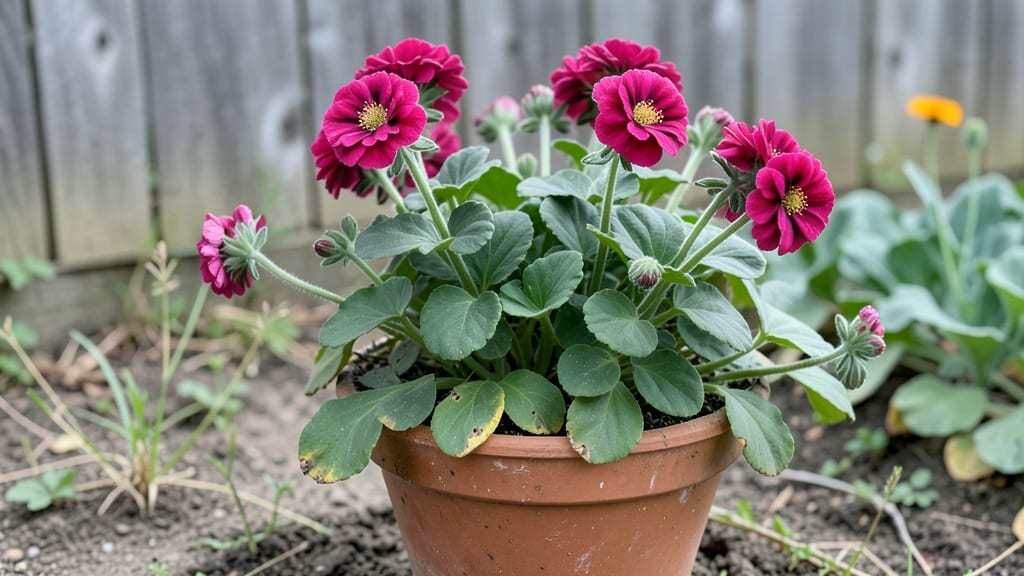
These jungle geranium plants—fragrant vines that keep pests away—are the unsung heroes of my garden, filling the air with citrusy or minty scents while thriving with minimal fuss. 🌿 who want both beauty and function without the drama of fussy plants.
They love bright light—at least 4 hours of direct sun daily—but tolerate partial shade, and their soil mix should drain like a sieve to prevent soggy roots. In containers, they’ll spill over edges with lush, glossy foliage, while in garden beds, they suppress weeds and deter aphids naturally.
The key is keeping them slightly dry between waterings; overwatering is their Achilles’ heel.
You’ll end up with a low-maintenance, pest-repelling plant that blooms sporadically but rewards you with vibrant foliage and that signature jungle geranium aroma.
Whether trailing from a hanging basket or cascading over a trellis, they’re the kind of plant that makes neighbors ask, “What’s that smell?”—and you’ll happily share the secret.
Fair warning: They multiply fast from cuttings, so be ready to pass them along. Once you grow a few, you’ll never want to buy them again—they’re that easy to propagate and that rewarding to have around.
📚 In This Guide
- What you need
- Instructions
- Tips and common mistakes
- Wrapping up and next steps
What you need
- ● Jungle geranium plants: 1–3 healthy plants (or seeds if starting from scratch). Look for Pelargonium spp. varieties like P. peltatum (ivy-leaf) or P. zonale (zonal).
- ● Well-draining potting mix: 5–10 gallons (for containers) or amend garden soil with compost (1 part compost to 3 parts soil).
- ○ Containers (optional for in-ground planting): Hang baskets (10–12" diameter) for trailing varieties.
- ● 5–7 gallon pots with drainage holes for upright types.
- ● Slow-release fertilizer: 10–20–10 NPK ratio (2–3 tbsp per plant at planting).
- ● Pruning shears: Sharp, sterilized tools for trimming (or clean scissors in a pinch).
- ● Mulch: 1–2 inches of organic mulch (e.g., shredded bark) to retain moisture.
- ● Watering can or hose with nozzle: For gentle, deep watering (avoid soggy roots!).
- ● Gloves: Heavy-duty gardening gloves to protect from thorns.
- ● Trellis or stakes: For supporting vining varieties (4–6 ft tall).
- ● Liquid fertilizer: Balanced 20-20-20 (diluted to half-strength) for mid-season feeding.
- ● Pest control: Neem oil or insecticidal soap (preventative measure).
- ● pH test kit: Ideal soil pH: 6.0–7.0 (amend with lime or sulfur if needed).
- ● Sunlight meter: To confirm your garden gets 4–6 hours of sunlight daily.
Step-by-Step guide to growing jungle geranium vines
Here's how I grow these fragrant, pest-repelling vines—no green thumb required.
🌱 Step 1: Choose the Right Location for Planting
Jungle geraniums thrive in partial shade—think 4-6 hours of morning sun followed by afternoon shade. Too much direct sun scorches their delicate leaves, while too little light makes them grow leggy and weak. I always plant mine near a north-facing window or under a tree with dappled sunlight.
These vines love warmth but hate extreme heat. Aim for soil temperatures between 65-75°F—they'll wilt if baked by afternoon sun. If your garden runs hotter, provide afternoon shade with a sheer curtain or lattice structure.
🪴 Step 2: Prepare the Soil and Plant Your Vines
Amend your garden soil with 2 inches of compost mixed into the top 6 inches of soil. Jungle geraniums prefer rich, well-draining soil that holds moisture without staying soggy. If your soil drains poorly, add a handful of perlite to improve aeration.
Dig a hole twice as wide as the root ball but only as deep as the container it came in. Gently remove the plant, loosen the roots if they're circling, and place it in the hole. Backfill with soil, pressing lightly to eliminate air pockets. Water deeply right after planting to settle the roots.
💧 Step 3: Water Consistently and Monitor Moisture
Keep the soil evenly moist but never soggy—jungle geraniums hate wet feet. Water when the top 1-2 inches of soil feel dry to the touch. I use a drip irrigation system or water at the base in the morning to prevent fungal issues from evening moisture.
These vines are drought-tolerant once established, but young plants need consistent moisture. You'll know you're watering right when the soil looks slightly damp but not glistening. Overwatering causes yellow leaves and root rot, while underwatering makes leaves crisp at the edges.
☀️ Step 4: Train and Support the Vining Growth
Jungle geraniums grow 3-6 feet long, so provide a trellis, fence, or sturdy string for them to climb. I tie the vines loosely with soft plant ties or twine every 6-8 inches as they grow—this prevents stem damage from tight bindings.
Prune leggy growth in early spring to encourage bushier, more fragrant foliage. Pinch back the tips of new growth to promote branching. You'll see thicker, more compact vines within a few weeks of regular pruning.
✂️ Step 5: Maintain and Harvest for Pest Control
Harvest leaves regularly to encourage new growth and maximize their pest-repelling properties. The more you pick, the bushier the plant stays. I snip a few leaves every 2-3 weeks and use them in homemade pest sprays or as natural mulch around other plants.
Fertilize lightly in spring with a balanced 10-10-10 fertilizer—too much nitrogen makes the plant grow leaves instead of fragrant flowers. Watch for aphids or spider mites, which occasionally attack jungle geraniums. A strong spray of water usually knocks them off, but severe infestations need neem oil treatment.
Tips & tricks for thriving jungle geranium vines
These simple tricks will help you grow fragrant, pest-repelling jungle geraniums that stay healthy and productive all season long.
Location Secret: The 4-6 hours of morning sun in Step 1 is crucial—position your plants where they get bright but indirect light. I've found that east-facing windows or the north side of buildings work perfectly. If you're unsure, observe your garden throughout the day and mark areas that get morning sun but afternoon shade.
Soil Preparation: When amending with 2 inches of compost in Step 2, mix in a handful of worm castings for extra nutrients. This gives your plants a gentle boost without overwhelming them. I always test my soil's drainage first by digging a small hole, filling it with water, and checking if it drains within 30 minutes—if not, add more perlite.
Watering Wisdom: The key to consistent moisture in Step 3 is checking soil dampness with your fingers, not just eyeballing it. I like to use a moisture meter for accuracy, especially during hot weather. Watering at the base in the morning prevents fungal spores from settling on leaves overnight, which is exactly what causes those pesky yellow spots.
Growth Support: For the 3-6 foot vines in Step 4, I recommend using a trellis with a mesh design rather than solid panels—this allows air to circulate and prevents mold buildup. When tying the vines every 6-8 inches, use soft plant ties that won't cut into the stems as they grow, especially in humid conditions where plants expand more quickly.
Pro Tips for Jungle Geranium Plants
- These simple tricks will help you grow fragrant, pest-repelling jungle geraniums that stay healthy and productive all season long.
- Location Secret: The 4-6 hours of morning sun in Step 1 is crucial—position your plants where they get bright but indirect light.
- Soil Preparation: When amending with 2 inches of compost in Step 2, mix in a handful of worm castings for extra nutrients.
Frequently asked questions
Got questions about growing jungle geraniums? You’re not alone!
These fragrant, pest-repelling vines are a gardener’s dream—but they do have a few quirks. Below, we’ve answered the most common questions to help you grow jungle geraniums with confidence.
How fast do jungle geranium vines grow?
Jungle geraniums are fast growers! With the right conditions (warmth, humidity, and partial shade), they can climb 10–15 feet in a single growing season. Prune regularly to encourage bushier growth and prevent legginess. Pro tip: Pinch back tips in early spring to trigger thicker foliage.
When is the best time to plant jungle geraniums?
Plant jungle geraniums in late spring after the last frost when soil temperatures reach at least 60°F (15°C). They’re tender perennials in cooler climates, so treat them as annuals or overwinter potted plants indoors. If starting from seed, sow indoors 8–10 weeks before the last frost for a head start.
Do jungle geraniums really repel pests?
Absolutely!
Their citrusy scent deters aphids, whiteflies, and even mosquitoes. Plant them near roses, tomatoes, or veggie gardens to act as a natural barrier. For maximum pest control, pair them with companion plants like marigolds or basil. Just avoid planting near lavender—they compete for similar pests!
How often should I water jungle geraniums?
Keep soil consistently moist but not soggy—jungle geraniums wilt fast if thirsty! Water at the base daily in hot weather, but reduce to 2–3 times weekly once established. Mulch with organic matter (like shredded leaves) to retain moisture. Warning: Overwatering causes root rot, so ensure pots have drainage holes.
Can jungle geraniums survive winter in cold climates?
In USDA zones 9–11, they’re perennial and overwinter outdoors. For colder zones (below 20°F/-7°C), dig up tubers in fall, trim foliage, and store them in dry peat moss or sand until spring. Pro tip: Label containers to avoid confusing them with spring bulbs!
What if my jungle geranium leaves turn yellow?
Yellowing leaves usually signal overwatering or nutrient deficiency. Check soil moisture first—let it dry slightly between waterings. If leaves are pale, feed with a balanced liquid fertilizer (10-10-10) every 4–6 weeks. Yellow edges? Boost humidity or reduce direct sun.
Can I grow jungle geraniums in containers?
Yes! They thrive in 10–12 inch pots with well-draining soil. Use a mix of potting soil and perlite for aeration. Train vines with trellises or cages, and rotate pots occasionally for even growth. Bonus: Container-grown plants are easier to overwinter indoors.
Wrapping up and next steps
Jungle geraniums are a gardener’s dream—fragrant, low-maintenance, and packed with pest-repelling superpowers! 🌿 Whether you’re a beginner or a seasoned plant parent, these vines bring beauty and natural defense to your garden with minimal effort. Their ability to thrive in shade, deter bugs, and fill your space with a citrusy aroma makes them a must-have for any outdoor (or indoor!) setup.
Ready to level up your garden game? Start by planting a jungle geranium today—your plants (and pests) will thank you! For extra flair, pair them with other companion plants like lavender or basil to create a thriving, pest-free oasis. Happy gardening! 🌱✨