
Fertilization
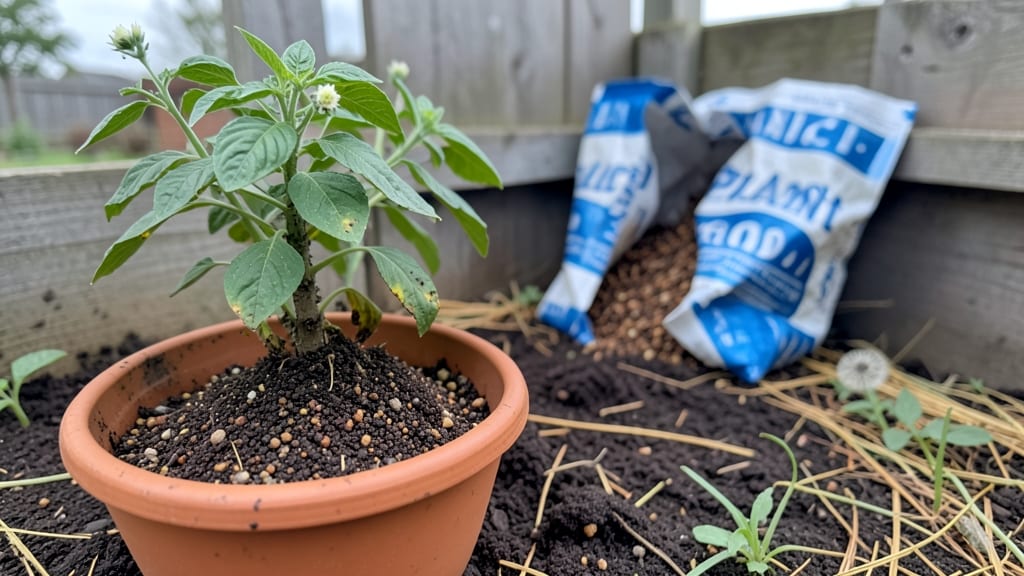
Creating your own miracle plant food isn’t just a gardening hack—it’s a game-changer for plants that look tired or refuse to grow. 🌱 I developed this nutrient-boost recipe after struggling with wilted tomatoes and stunted herbs, and the results speak for themselves: deeper roots, richer foliage, and blooms that last longer.
The best part? It costs a fraction of store-bought fertilizers and avoids the harsh chemicals that can harm soil long-term.
This homemade blend works because it mimics the balanced nutrition plants crave—think of it as a multivitamin for your garden. Unlike synthetic fertilizers that deliver quick but short-lived spikes, this mix provides slow-release nutrients that feed roots over time.
Organic gardeners love it because it builds soil health, while synthetic users notice faster recovery in stressed plants. The key ingredients are simple: compost, worm castings, and a touch of molasses for microbial activity.
You’ll see the difference within weeks: leaves turn a vibrant green, flowers multiply, and vegetables grow heavier. Even struggling plants perk up, thanks to the gentle yet potent nutrient profile.
The recipe is foolproof—no complicated ratios or guesswork—and adapts to containers, raised beds, or in-ground gardens. For best results, apply it every 4-6 weeks during growing season.
Here’s the kicker: this isn’t just another fertilizer. It’s a soil-enriching powerhouse that improves texture, water retention, and microbial life. No more mystery bags of chemicals—just a clear, effective way to revive and boost growth naturally. Ready to transform your garden’s vitality?
Root Causes Of Plant Struggles
Even with miracle plant food or premium fertilizers, some plants still underperform—or worse, fail to thrive. The issue often boils down to a few key factors that disrupt nutrient uptake, soil health, or root function.
Understanding these root causes helps you troubleshoot smarter and apply solutions with precision. Let’s dig into the science behind why plants sometimes ignore even the best "magic" in their diet.
Soil isn’t just dirt—it’s a living ecosystem where roots, microbes, and minerals interact. If the structure is compacted, waterlogged, or overly sandy, roots struggle to absorb nutrients, no matter how rich the miracle plant food is.
- Compacted Soil: Heavy foot traffic, construction equipment, or clay-heavy soils squeeze air and water out of pore spaces. Roots suffocate, and beneficial microbes (which help break down nutrients) can’t thrive. Result: Plants show nutrient deficiency symptoms even with fertilizer applied.
- Waterlogging: Overly wet soil (from poor drainage or excessive watering) starves roots of oxygen. Anaerobic conditions force roots to prioritize survival over nutrient uptake, leaving miracle plant food unused.
- Sandy Soil: Nutrients wash away too quickly because there’s no organic matter to hold them. Plants may show signs of starvation despite frequent feeding.
Actionable Fix: Amend soil with compost, perlite, or biochar to improve aeration and water retention. For compacted areas, aerate with a garden fork or till in organic matter like leaf mold.
Soil pH is the gatekeeper of nutrient availability. Most plants prefer a slightly acidic to neutral range (pH 6.0–7.0), but extreme pH levels—whether too acidic (<6.0) or alkaline (>7.5)—tie up essential nutrients, making them inaccessible even if they’re present in the soil.
| pH Level | Nutrients Affected | Symptoms in Plants |
|---|---|---|
| <6.0 (Too Acidic) | Phosphorus, Calcium, Magnesium | Yellowing leaves (chlorosis), stunted growth, weak stems |
| >7.5 (Too Alkaline) | Iron, Manganese, Zinc | Interveinal chlorosis (yellowing between veins), poor flowering |
Actionable Fix: Test your soil’s pH with a kit (available at garden centers). Adjust with:
- Lime (calcium carbonate) to raise pH (for acidic soils).
- Sulfur or pine needles to lower pH (for alkaline soils).
- Organic amendments like composted manure or peat moss to buffer pH naturally.
Soil isn’t just minerals—it’s a bustling community of bacteria, fungi, and other microbes that process nutrients into forms plants can use. If this microbial ecosystem is disrupted (by synthetic chemicals, poor organic matter, or extreme conditions), roots get nutrient malabsorption—even with miracle plant food nearby.
- Chemical Overload: Harsh synthetic fertilizers or pesticides can kill beneficial microbes, leaving roots to fend for themselves. Result: Plants show deficiency symptoms despite "feeding" them.
- Lack of Organic Matter: Microbes thrive on decomposed organic material. Soil with little compost or mulch has fewer nutrient-cycling microbes, forcing plants to rely on slow-release processes.
- Pathogen Dominance: Fungal or bacterial diseases (like Phytophthora) outcompete beneficial microbes, creating a nutrient-stealing environment.
Actionable Fix:
- Add compost tea or worm castings to reintroduce beneficial microbes.
- Use mycorrhizal inoculants to boost fungal networks that enhance root absorption.
- Avoid synthetic fertilizers—opt for slow-release organics like fish emulsion or seaweed extract to feed microbes, not just plants.
Miracle plant food only works if plants can access it—and water is the delivery system. Too much or too little water creates a double whammy: nutrients either leach away or become unavailable due to poor root function.
- Overwatering: Excess water flushes nutrients out of the root zone before plants can absorb them. It also suffocates roots, reducing their ability to take up what’s left.
- Underwatering: Dry soil binds nutrients to soil particles, making them inaccessible. Roots may also shrink or die back, limiting surface area for absorption.
Actionable Fix:
- Water deeply but infrequently—aim for 1–1.5 inches per week (adjust for climate). Use drip irrigation or soaker hoses for consistent moisture.
- Mulch with straw or wood chips to retain moisture and regulate soil temp.
- For sandy soils, add hydrogel crystals to hold water and nutrients longer.
Root-feeding insects (like grubs or nematodes), fungal infections (root rot), or viral attacks can physically damage roots or divert nutrients to pathogens. Even with miracle plant food, damaged roots can’t function properly.
- Root Gnawers: Grubs, cutworms, or mole crickets chew roots, reducing absorption surface area.
- Fungal Invaders: Phytophthora or Pythium block nutrient uptake and release toxins.
- Viral/Bacterial Attacks: Diseases like clubroot (caused by Plasmodiophora brassicae) distort roots, limiting their ability to store and absorb nutrients.
Actionable Fix:
- Inspect
How to Fix Weak Plant Growth
When your plants aren’t thriving despite your best efforts, the issue often lies in soil health, nutrient balance, or environmental factors. Here’s a cause-to-solution guide to revive your greenery—plus prevention tips to keep them flourishing long-term.
Cause: Compacted, nutrient-depleted, or overly sandy soil stifles root growth and nutrient uptake. Fix:
- Test your soil (pH, texture, and nutrient levels) with a DIY kit or lab analysis. Aim for a pH of 6.0–7.0 for most plants.
- Amend with compost or worm castings (1–2 inches mixed into the top 6 inches of soil). For faster results, blend in miracle plant food (homemade or store-bought) rich in nitrogen, phosphorus, and potassium.
- Add perlite or coconut coir to improve drainage if your soil is clay-heavy.
Prevention Tip: 💡 Refresh soil annually with 1–2 inches of compost to maintain fertility.
Cause: Yellowing leaves, stunted growth, or weak stems signal missing nutrients (e.g., nitrogen, iron, magnesium). Fix:
| Symptom | Likely Deficiency | Quick Fix |
|---|---|---|
| Yellow lower leaves | Nitrogen | Apply blood meal or fish emulsion (high in nitrogen). |
| Purple stems/leaves | Phosphorus | Use bone meal or a phosphorus-rich fertilizer (e.g., 5-10-5 ratio). |
| Yellow veins (green edges) | Iron/Magnesium | Sprinkle Epsom salt (1 tbsp/gallon of water) or chelated iron. |
| Weak, spindly growth | Potassium | Feed with banana peel tea or kelp meal. |
Prevention Tip: 🌡️ Rotate fertilizers seasonally—spring for nitrogen (growth), summer for phosphorus (blooms), and fall for potassium (root strength).
Cause: Wilting, crispy edges, or mushy stems mean your plants are either drowning or thirsty. Fix:
- Check soil moisture by sticking your finger 1 inch deep—if dry, water deeply. If soggy, let it dry out before watering again.
- Improve drainage by adding sand or vermiculite to heavy soils or using self-watering pots for consistency.
- Water at the base (not leaves) to prevent fungal issues and reduce evaporation.
Pro Tip: ✨ Group plants with similar water needs together to simplify care.
Cause: Leggy growth or pale leaves mean your plants aren’t getting enough light—or too much scorching sun. Fix:
- Move indoor plants near south- or west-facing windows (6+ hours of sunlight for most).
- Use grow lights (LED or fluorescent) for 12–16 hours/day if natural light is lacking.
- Provide shade cloth (30–50%) for outdoor plants in hot climates to prevent leaf burn.
Prevention Tip: 🎯 Observe leaf color—dark green = too much shade; bleached spots = too much sun.
Cause: Aphids, powdery mildew, or root rot steal nutrients and block growth. Fix:
- Spot-treat pests with neem oil (1 tsp + 1 quart water, spray weekly) or insecticidal soap.
- Prune infected leaves immediately to prevent spread, and sterilize tools with rubbing alcohol.
- Boost plant resilience with compost tea (rich in beneficial microbes) to strengthen natural defenses.
Prevention Tip: 🔥 Inspect new plants for pests before bringing them indoors and rotate crops if growing edibles.
Cause: Sudden temperature drops, wind, or humidity swings shock plants. Fix:
- Mulch heavily (2–3 inches) to insulate roots and retain moisture.
- Use windbreaks (bamboo screens or hedges) for outdoor plants in breezy areas.
- Mist leaves (or use a pebble tray) to increase humidity for tropical plants.
Seasonal Hack: ⏰ Adjust watering in winter—plants need less when growth slows.
For explosive, sustainable growth, combine these powerhouse strategies:
- Feed every 4–6 weeks with a balanced fertilizer (e.g., 10-10-10) or homemade miracle plant food.
- Top-dress with compost every 3 months to replenish organic matter.
- Prune regularly to encourage bushier growth and remove dead branches.
- Rotate crops (if gardening) to prevent nutrient depletion.
Bonus: 💪 Use "liquid gold"—diluted aquarium water (rich in nitrogen) or coffee grounds (for acid-loving plants like blueberries).
Remember: Plants respond to consistency—stick with your fixes for 4–6 weeks before expecting dramatic changes. With the right adjustments, your garden will be thriving in no time! 🌿💚
Frequently asked questions
What makes homemade miracle plant food better than store-bought fertilizers?
Homemade versions avoid synthetic chemicals that can harm soil microbes over time. They provide slow-release nutrients that improve soil structure and microbial activity, while store-bought options often deliver quick but short-lived spikes. Plus, they're cost-effective and customizable for your specific plants.
Can I use this miracle plant food on all types of plants?
Most plants benefit, but acid-loving varieties (like blueberries or azaleas) may need adjustments. For these, add coffee grounds or peat moss to lower soil pH. Always test soil pH first—most plants thrive in a neutral range (6.0-7.0). Container plants and vegetables respond exceptionally well.
How often should I apply miracle plant food for best results?
Apply every 4-6 weeks during the growing season (spring through fall). Over-application can burn roots or create nutrient imbalances. In winter, reduce to once every 8-12 weeks as most plants grow more slowly. Always water thoroughly before and after application to help nutrients reach roots.
What are the most common mistakes when making miracle plant food?
The biggest errors are using fresh manure (can burn plants), skipping the molasses (needed for microbial activity), or not balancing the NPK ratio. Another mistake is applying it to dry soil—always water first. Store properly in an airtight container to prevent spoilage and use within 3 months for maximum potency.
Will this work for indoor plants?
Indoor plants often benefit even more since they can't access natural soil nutrients. Use half-strength mixture for potted plants and apply monthly during growing seasons. Monitor leaves for color changes—darker green means it's working. Just ensure pots have drainage holes to prevent root rot from excess moisture.