
Companion Plants
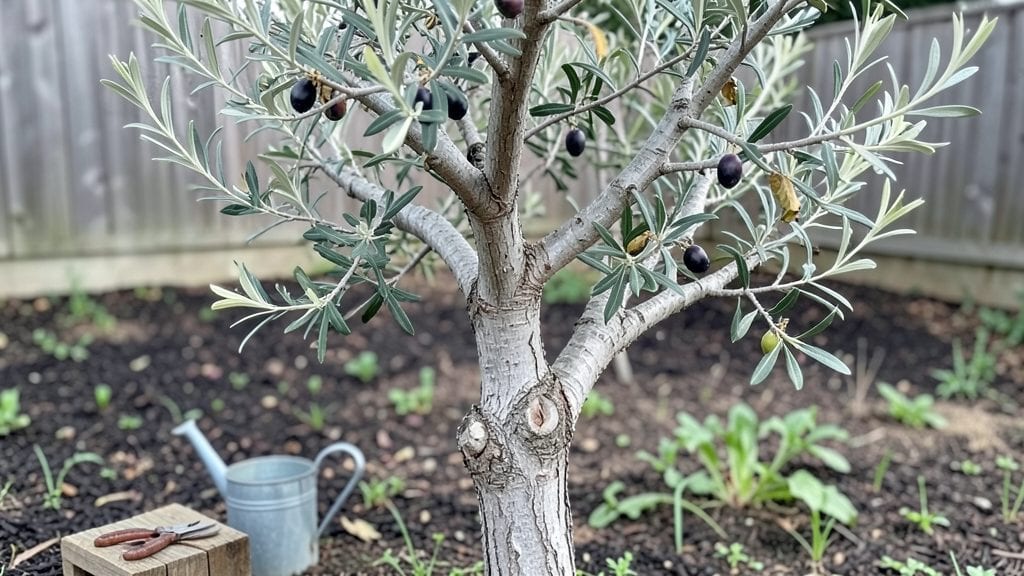
Caring for olive plants turns out to be the perfect project for busy gardeners—silver-green foliage that thrives on neglect and needs almost no pruning once established. 🌿 I’ve grown mine for three years now, and the only time I touch them is to shape the occasional wayward branch.
The real magic happens in how little they demand while still looking stunning in pots or landscapes.
Olives love well-draining soil—think sandy loam or a mix with perlite—and full sun (at least 6 hours daily). Water them deeply but infrequently: once every 2-3 weeks once established, more often in summer heat.
Overwatering is the #1 killer, so let the top inch of soil dry out before adding more. The roots hate soggy feet, just like mine do after a long day.
Pruning is where olive plants earn their reputation for being low-maintenance. Simply trim back any dead or crossing branches in late winter, and you’re done. The trees reward this neglect with glossy leaves and occasional silvery fruit that ripens over months.
Even in drought, they’ll stay lush—though you might see fewer olives if water’s scarce, which is fine if you’re growing them for foliage.
Pests rarely bother olives, but watch for scale insects on young plants. A strong spray of water usually knocks them off. In colder zones, protect young trees from frost—they’re tender when young but toughen up as they age. Once you’ve got one thriving, you’ll wonder why you didn’t start sooner.
📚 In This Guide
- What you need
- Instructions
- Tips and common mistakes
- Wrapping up and next steps
What you need
- ● Olive plant(s): Choose between seeds, cuttings, or a nursery-grown sapling (dwarf varieties like Arbequina or Frantoio are ideal for containers).
- ● Well-draining soil: A mix of 60% potting soil, 30% coarse sand or perlite, and 10% compost (for containers). For in-ground planting, amend clay-heavy soil with gravel or grit.
- ○ Pot (optional but recommended for young plants): Minimum 12-inch diameter for saplings (deeper pots for dwarf varieties).
- ● Drainage holes are a must—olives hate soggy roots!
- ● Watering can or hose with a gentle spray nozzle (olives prefer deep, infrequent watering).
- ● Pruning shears or bypass pruners (sterilized with rubbing alcohol).
- ● Organic mulch: 2–3 inches of straw, wood chips, or gravel (keeps roots cool and retains moisture).
- ○ Fertilizer (optional but helpful): Balanced 10-10-10 or 8-3-9 (spring and early summer).
- ● Citrus-specific fertilizer (olives love similar nutrients).
- ● Sunlight: Full sun (6+ hours/day)—olives thrive in hot, dry climates (USDA Zones 8–10).
- ● Temperature: Tolerates 20–30°F (-6 to -1°C) but prefers 60–90°F (15–32°C).
- ● Wind protection: Young plants benefit from a temporary windbreak (e.g., burlap screen).
- ● pH test kit (ideal soil pH: 6.0–8.0).
- ● Drip irrigation system (for large gardens—olives hate overhead watering).
- ● Epsom salt (occasional magnesium boost for yellowing leaves).
- ● Pest control: Neem oil or insecticidal soap (for aphids or scale).
Step-by-Step instructions for caring for olive plants
Olive trees thrive with minimal fuss once you nail their basic needs.
🪴 Step 1: Choose the Right Location and Container
Olives need full sun—at least 6-8 hours daily. If growing in containers, select pots with drainage holes and use a well-draining soil mix. I like to use terracotta pots because they breathe and prevent root rot. The container should be at least 12 inches deep and 18 inches wide for each plant, giving roots room to spread.
Place your olive tree where it gets morning sun and afternoon shade if temperatures exceed 90°F. Young plants are more sensitive to heat stress. Watch for leaves curling or yellowing—this is your signal to move it to a slightly shadier spot. Olives hate soggy feet, so ensure excess water drains away quickly.
☀️ Step 2: Water Deeply but Infrequently
Olives are drought-tolerant once established, but young plants need consistent moisture. Water deeply once a week during the first year, allowing the top 2-3 inches of soil to dry out between waterings. Stick your finger in the soil—if it feels dry up to your first knuckle, it’s time to water.
Overwatering is the fastest way to kill an olive tree. I use the "soak and dry" method: water until it runs out the drainage holes, then wait until the soil is nearly bone-dry before repeating. Mature plants can go 3-4 weeks without water in hot climates, but they’ll drop leaves as a stress signal. Don’t panic—just water deeply and they’ll recover.
🌿 Step 3: Fertilize Lightly for Healthy Growth
Olives don’t need much fertilizer, but a light feeding in spring encourages strong growth. Use a balanced, slow-release fertilizer (like 10-10-10) diluted to half-strength. Apply it once in early spring and again in early summer. I mix it into the top 2 inches of soil around the base, avoiding the trunk.
Too much fertilizer burns roots and causes leaf drop. If you see yellowing leaves with brown edges, flush the soil with water to leach out excess salts. Olives prefer lean soil, so skip the heavy-handed feeding. A handful of compost in spring is often enough for established plants.
✂️ Step 4: Prune for Shape and Airflow
Olives need minimal pruning, but shaping them in early spring keeps them compact and healthy. Remove any dead, diseased, or crossing branches first—these are easy to spot as they’re brown or twisted. Cut just above a leaf node or outward-facing bud to encourage new growth.
For shaping, I prune back no more than 25% of the plant annually. Focus on opening the center to improve airflow, which prevents fungal issues. Avoid heavy pruning in late summer or fall—new growth won’t harden off before winter. You’ll see fresh green shoots within a few weeks of pruning, signaling the tree is responding well.
⏰ Step 5: Protect in Winter and Monitor Pests
Olives are cold-hardy but prefer 40-50°F temperatures. If you’re in a colder zone, move container-grown plants to a sheltered spot or indoors near a sunny window. Mulch the base with 2-3 inches of straw or wood chips to insulate roots. Watch for spider mites or scale in dry conditions—treat with neem oil if you spot webbing or sticky residue on leaves.
Real talk: Olives are low-maintenance, but they’ll let you know when something’s wrong. Drooping leaves mean underwatering or heat stress; yellow leaves often signal overwatering or nutrient issues. Adjust your care routine based on what you observe, and you’ll have a thriving olive tree for years.
Tips & tricks for perfect olive plant care
These practical tips will help you keep your olive trees thriving with minimal effort while avoiding common pitfalls.
Sunlight Strategy: In Step 1, when placing your olive tree, prioritize morning sun exposure—this is when sunlight is most intense and beneficial. If you notice leaves curling or yellowing when temperatures exceed 90°F, move the plant to a spot with afternoon shade immediately. I've seen olive trees recover quickly from heat stress once moved to a cooler location. The key is observing leaf behavior rather than guessing.
Watering Wisdom: The "soak and dry" method in Step 2 is crucial, but I've found using a moisture meter helps avoid overwatering. Aim for the top 2-3 inches of soil to be completely dry before watering again. For container-grown olives, I recommend checking soil moisture daily during the first year—young plants are particularly sensitive to water fluctuations. Remember, mature plants can handle 3-4 weeks without water in hot climates, but they'll signal their needs through leaf drop.
Fertilizer Finesse: When applying fertilizer in Step 3, I've discovered that less is always better with olives. Instead of using the full recommended amount of 10-10-10 fertilizer, I dilute it to half-strength and apply only what fits in the top 2 inches of soil. This prevents root burn while still providing necessary nutrients. I've also found that a handful of compost in spring works just as well for established plants, giving them a gentle nutrient boost without risk.
Pruning Precision: In Step 4, when pruning back no more than 25% annually, focus on removing branches that are growing inward or crossing others. These are the ones that create dense centers and restrict airflow. I always make my cuts just above a leaf node or outward-facing bud—this encourages new growth in the direction you want. The fresh green shoots that appear within weeks after pruning are your reward for proper technique.
Pro Tips for Olive Plants Care
- These practical tips will help you keep your olive trees thriving with minimal effort while avoiding common pitfalls.
- Sunlight Strategy: In Step 1, when placing your olive tree, prioritize morning sun exposure—this is when sunlight is most intense and beneficial.
- Watering Wisdom: The "soak and dry" method in Step 2 is crucial, but I've found using a moisture meter helps avoid overwatering.
Frequently asked questions
How often should I water my olive plant?
Olive plants are seriously drought-tolerant! Water them deeply every 2-3 weeks once established (or when the top 2-3 inches of soil feel dry). Overwatering is the real enemy—yellow leaves or mushy stems are red flags. Pro tip: Mulch around the base to lock in moisture and keep roots cool.
Can olive plants survive winter frost?
Most olive varieties (like Olea europaea) tolerate light frosts down to 15–20°F (-9 to -7°C), but young plants or heavy freezes can damage them. If temps drop below 20°F (-7°C), wrap the pot in burlap or move potted plants to a sheltered spot. Evergreen olives? They’ll lose leaves in cold snaps but bounce back in spring!
Do olive plants need pruning, and when?
Pruning is minimal—just remove dead, crossing, or overcrowded branches in late winter or early spring (before new growth starts). Avoid heavy pruning in summer; it stresses the plant. Focus on shaping rather than size—olives handle light trims better than aggressive cuts.
What pests should I watch for with olive plants?
Olives are generally pest-resistant, but scale insects, spider mites, or olive fruit flies (in warm climates) can be trouble. Check undersides of leaves for sticky residue or tiny webs. Fix it: Spray with neem oil or insecticidal soap for mild infestations. Healthy plants = fewer pests!
Can I grow olive plants in containers, and what size pot do I need?
Potted olives thrive in at least 5-gallon containers (bigger = better for mature plants). Use fast-draining soil (like cactus mix) and a pot with drainage holes. Move containers indoors or to a garage if temps drop below 25°F (-4°C)—they’re not frost-hardy in pots!
Why are my olive plant’s leaves turning yellow?
Yellow leaves usually mean overwatering or nutrient deficiency. Let the soil dry out completely between waterings, and fertilize lightly in spring/summer with a balanced, low-nitrogen fertilizer (like 10-10-10). If yellowing is on older leaves, it’s normal aging—but new leaves should stay green!
Wrapping up and next steps
Caring for olive plants is a rewarding journey—these drought-resistant beauties thrive with minimal fuss, making them perfect for both beginners and seasoned gardeners. 🌿 With the right light, soil, and occasional pruning, you’ll enjoy lush foliage and even delicious olives (if you’re lucky!).
Ready to watch your olive plant flourish? Start by reviewing your setup—then plant with confidence! Whether you’re growing in pots or the ground, your resilient olive companion is just a step away from becoming a stunning centerpiece in your garden.