Diseases
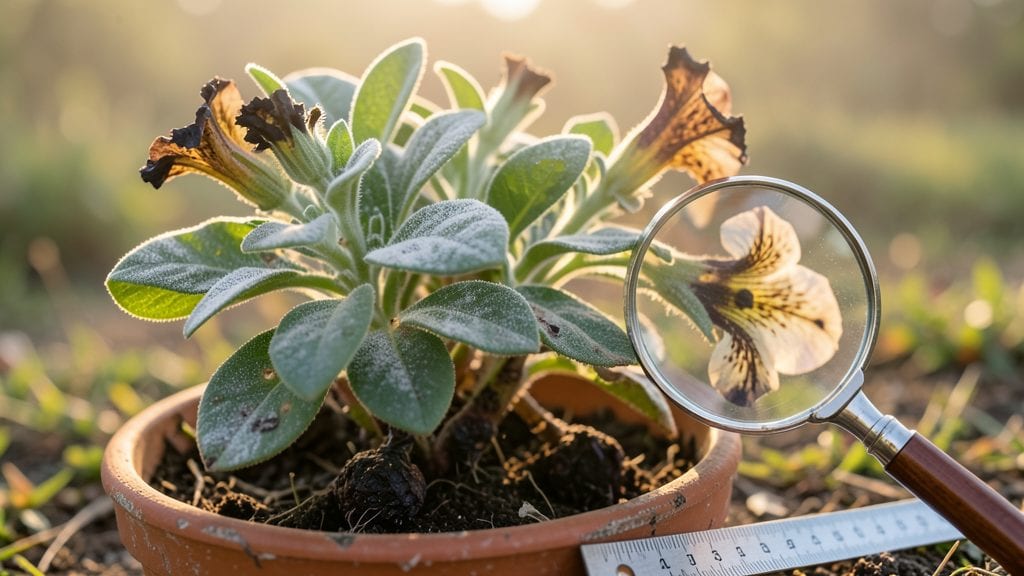
Petunia plant diseases can turn vibrant blooms into sad, spotted messes in just days. 🌿 I’ve watched my petunias go from showstopper to sad in a week thanks to fungal infections, and I’ll show you how to spot—and stop—the seven most common culprits before they ruin your garden.
These diseases don’t just wilt leaves; they steal your petunias’ potential for lush, continuous blooms.
The worst offenders—powdery mildew, botrytis blight, and early blight—love damp, crowded conditions. I learned the hard way that skipping airflow or overwatering invites these fungal feasts.
But here’s the good news: most of these problems are preventable with simple tweaks like spacing plants properly, watering at the base, and choosing disease-resistant varieties. Even if you’ve already spotted symptoms, early action can save your petunias.
You’ll learn to recognize the first signs—yellowing leaves, white powder, or dark spots—and how to treat them without harsh chemicals. My favorite organic fixes include neem oil sprays and copper fungicides, which work fast when applied at the first sign of trouble.
The goal? Petunias that stay vibrant, healthy, and blooming all season long, not wilting under fungal attack.
Whether you’re a beginner with your first petunia patch or a seasoned gardener looking to refine your defenses, this guide keeps it simple and actionable. No more guessing—just clear steps to protect your plants and keep your garden looking its best. Let’s get those petunias fighting back!
Root Causes Behind Petunia Woes
Petunias are stunning, low-maintenance bloomers—but when they succumb to disease, it’s often due to a mix of environmental stress, poor care habits, or microbial invaders. Understanding why these issues arise is half the battle in prevention.
Let’s break down the science behind the most common triggers, so you can protect your petunias like a pro.
Fungal diseases like powdery mildew and gray mold thrive in tight, damp spaces. Here’s why:
- Poor air circulation: Petunias packed too closely trap moisture, creating a perfect fungal buffet. Fungal spores need just 12–24 hours of leaf wetness to germinate.
- High humidity: Ideal fungal growth occurs at 70–90% humidity. Greenhouses, shaded beds, or evening dew without sunlight to dry leaves accelerate outbreaks.
- Organic debris buildup: Dead leaves or mulch near stems harbor spores and block airflow, giving pathogens a foothold.
💡 Pro Tip: Space plants 12–18 inches apart and avoid overhead watering. If humidity is an issue, use a fan for 1–2 hours daily to stir airflow.
Petunias need consistent moisture, but how you water them makes all the difference. Common watering blunders include:
- Wet foliage: Watering leaves (instead of soil) leaves droplets that act as spore launchpads. Fungi like Botrytis (gray mold) spread via splashing water.
- Inconsistent schedules: Alternating between drought and overwatering stresses roots, weakening the plant’s defenses. Fungal infections exploit stressed plants.
- Poor drainage: Soggy soil (from compacted or clay-heavy soil) suffocates roots and invites root rot fungi like Phytophthora.
🔥 Fix It: Water at soil level in the morning (6–8 AM) so leaves dry by evening. Use well-draining soil mixes with perlite or sand.
Petunias with nutrient gaps are like open doors for pathogens. Key deficiencies that weaken defenses:
| Nutrient | Symptoms | Why It Matters |
|---|---|---|
| Nitrogen (N) | Yellowing lower leaves, stunted growth | Nitrogen fuels cell wall strength—low levels make leaves easier targets for fungal penetration. |
| Phosphorus (P) | Purple stems, slow root growth | Phosphorus boosts disease resistance genes. Deficiencies leave plants vulnerable to root infections. |
| Potassium (K) | Brown leaf edges, weak stems | Potassium regulates cell membrane integrity. Without it, fungi burst through cells like a sieve. |
🌡️ Solution: Feed petunias with a balanced 10-10-10 fertilizer every 4–6 weeks or use compost tea for natural immunity support.
Fungal spores are everywhere—and they hitchhike on unsuspecting tools or soil. How?
- Dirty pruners/clippers: Cutting infected stems spreads spores to healthy plants. One infected plant = contamination risk for the whole garden.
- Reused potting mix: Old soil may harbor dormant fungal spores (like Fusarium or Verticillium). These can lie in wait for 2–5 years!
- Infected transplants: Buying petunias with subtle fungal spots (often missed at nurseries) introduces diseases to your garden.
✨ Prevention: Sterilize tools with 70% isopropyl alcohol or bleach water (1:9 ratio). Use fresh, sterile potting mix and inspect new plants for white powder, spots, or wilting before planting.
Petunias are tough, but sudden environmental shifts can trigger disease outbreaks. Watch for:
- Temperature swings: Cool nights (<50°F) followed by hot days (shock the plant) and suppress immune responses.
- Heavy rain + no sun: Prolonged cloud cover keeps leaves wet, ideal for powdery mildew or leaf spot.
- Wind damage: Bruised leaves from storms create entry points for fungi like Alternaria.
🎯 Action Plan: Mulch with straw or pine bark to moderate soil temps. In rainy seasons, use row covers to protect plants during downpours.
Quick Fixes for Fungal Foes
Now that you’ve identified the issue, let’s tackle those pesky petunia plant diseases with targeted, practical solutions. Each problem requires a slightly different approach, but the good news is—most can be reversed with the right care.
Below, we’ll map out cause-specific fixes, along with prevention tips to keep your petunias thriving long-term.
Cause: Fungal spores thrive in humid, crowded conditions. Fix:
- 🔥 Remove the Infected Parts – Snip off heavily mildewed leaves (don’t compost them—toss in the trash).
- 🍳 DIY Baking Soda Spray – Mix 1 tsp baking soda + 1 tsp dish soap + 1 quart water. Spray every 7–10 days (especially undersides of leaves).
- 👨🍳 Boost Airflow – Prune nearby plants to improve circulation. Space petunias 12–18 inches apart.
- ⏰ Morning Watering – Water early in the day so foliage dries by evening.
💡 Pro Tip: Avoid overhead watering—use drip irrigation or a watering wand to keep leaves dry.
Cause: Damp, shaded conditions + dead plant debris. Fix:
- 🔪 Prune Aggressively – Remove all infected stems/flowers (including stems below the lesion).
- 🌡️ Increase Sunlight – Move pots to a sunnier spot or thin out shade-casting plants.
- 🧼 Sterilize Tools – Wipe pruners with rubbing alcohol between cuts to prevent spread.
- ✨ Fungicide Boost – Apply a copper-based fungicide (like Cupric Hydroxide) every 10 days until the threat passes.
🎯 Prevention: Deadhead spent blooms daily and avoid mulching too close to stems.
Cause: Fungal spores in contaminated soil + poor drainage. Fix:
- 🔄 Rotate Plant Locations – Don’t replant petunias (or tomatoes/peppers) in the same spot for 3–4 years.
- 🍳 Soil Rescue Mission – Mix compost + perlite into the top 6 inches of soil to improve drainage.
- 👨🍳 Copper Fungicide Spray – Apply every 7–14 days until new growth appears.
- 🌱 Replace Severely Infected Plants – If >50% of leaves are spotted, pull and destroy the plant (don’t compost).
💡 Pro Tip: Test your soil’s pH—petunias prefer 6.0–7.0. Adjust with lime (to raise) or sulfur (to lower).
Cause: Overwatering + compacted, waterlogged soil. Fix:
- 💧 Stop Watering Immediately – Let the soil dry completely before watering again.
- 🔪 Trim Rotten Roots – Gently remove the plant, trim black/mushy roots with sterilized scissors, and replant in fresh, well-draining soil.
- 🏗️ Upgrade the Pot – If using containers, switch to a terracotta pot (better drainage) or add orchid bark to existing soil.
- 🧼 Sterilize the Pot – Scrub with 10% bleach solution, rinse, and dry before replanting.
🎯 Prevention: Use self-watering pots with drainage holes and water only when the top inch of soil is dry.
Cause: Spores spread via wind/rain on alternate hosts (like weeds). Fix: - 🚫 Isolate the Plant – Move it 6+ feet away from other petunias until symptoms disappear. - 🍳 Neem Oil Spray – Mix 1 tbsp neem oil + 1 tsp mild soap + 1 quart water.
Spray every 5–7 days for 3 weeks. - 🌱 Remove Weeds – Rust loves dandelions and clover—pull them near your garden. - 🔄 Replace Heavily Infected Leaves – If rust covers >30% of foliage, prune those leaves (sterilize tools!).
💡 Pro Tip: Prevent rust by mulching with pine needles (natural fungicide) or spreading straw around plants.
Cause: Bacteria spread via splashing water or contaminated tools. Fix:
- 🧼 Sterilize Everything – Wash hands, tools, and pots with soapy water + bleach rinse.
- 🍳 Copper Fungicide – Use copper hydroxide (not just baking soda—bacteria resist it).
- 🚫 Avoid Overhead Watering – Use a soaker hose or drip system instead.
- 🌱 Replace Bad Leaves – Snip off spotted leaves (don’t compost them).
✨ Prevention: Rotate crops and avoid wetting foliage—water at the base only.
Want to stop diseases before they start? Follow this 5-step shield:
- 🌞 Sunlight – Petunias need 6+ hours of sun/day.
- 💧 Water Wisely – Morning watering only, never overhead.
- 🌿 Airflow – Space plants 12–18 inches apart.
- 🧹 Clean Up – Remove dead leaves/debris weekly.
- 🛡️ Soil Care – Test soil pH, amend with compost, and rotate plants.
🚀 Final Thought: Most petunia diseases are manageable—the key is acting fast and preventing recurrence. With these fixes, your petunias will bounce back bigger and healthier than ever! 🌸
Frequently asked questions
What are the first signs my petunias have a fungal infection?
Look for white powdery coatings (powdery mildew), dark brown/black spots with yellow halos (early blight), or gray fuzzy patches (botrytis blight). Check leaf undersides first—fungi love hiding there. If you see wilting or stunted growth with these symptoms, act fast!
Can I save my petunias if they already have severe fungal spots?
It depends! For early-stage infections, prune affected leaves, apply a copper fungicide, and improve airflow. If 50%+ of leaves are damaged, the plant may not recover—remove it completely to prevent spread. Always sterilize tools and soil afterward!
Are there petunia varieties that resist diseases better?
Yes! Look for disease-resistant hybrids like 'Wave Purple' or 'Supertunia Vista Bubblegum.' These are bred to tolerate powdery mildew and botrytis blight. Start with resistant varieties, and pair them with proper spacing (12–18 inches apart) for best results.
How often should I spray fungicides on my petunias?
For prevention, spray neem oil or copper fungicide every 7–14 days during humid seasons. If treating an active infection, apply every 5–7 days until symptoms disappear. Always spray in the early morning so leaves dry quickly.
Why do my petunias get diseases even with good care?
Fungal spores are everywhere—even with perfect care, stressors like temperature swings or hidden soil pathogens can trigger outbreaks. Test your soil (pH 6.0–7.0 is ideal), rotate crops, and avoid overhead watering to minimize risks.