Pruning
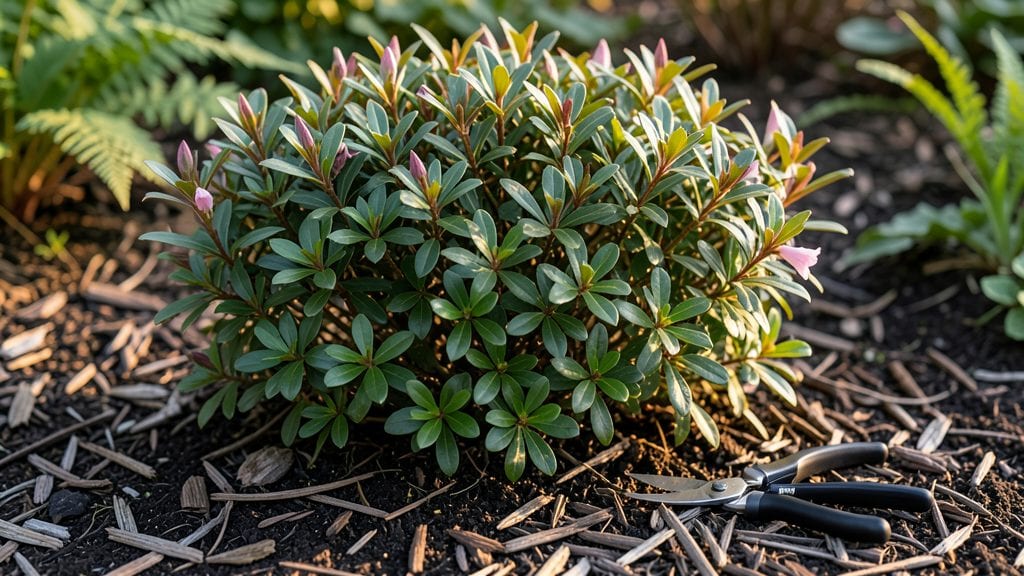
Pruning your Pieris 🌿 plant is the secret to turning its spring blooms into a year-round floral display—but most gardeners get the timing wrong.
Your Pieris japonica’s stunning spring blooms could be just the beginning—with the right pruning techniques, this evergreen can reward you with vibrant flowers year-round. But timing and method matter more than you think.
If you’ve ever watched your Pieris struggle to rebound after aggressive cuts or seen blooms fade because of missed deadheading, you’re not alone. The key lies in a few simple steps: knowing when to prune, which tools to use, and how to shape without sacrificing those showstopping flowers.
Below, I’ll walk you through the exact schedule, tools, and techniques to keep your Pieris thriving—plus how to fix common mistakes before they derail your plant’s beauty.


Best Pieris plant pruning schedule by season for maximum blooms
Pruning your Pieris japonica at the right time is the secret to keeping it healthy and blooming beautifully for years. Unlike many shrubs, Pieris responds well to light, regular pruning—but timing is everything.
Prune too early or too late, and you might miss the spring flower show or stress the plant. The key is balancing deadheading spent blooms with structural shaping to encourage new growth.
Pieris blooms on old wood, meaning flowers form on last year’s growth. This means you’ll want to focus on removing dead or overcrowded branches rather than cutting back hard. Think of pruning as a conversation with your plant—you’re guiding its shape while preserving its ability to produce flowers.
With a seasonal approach, you can enjoy vibrant blooms year-round and a lush, full shrub.
Below is your seasonal pruning calendar for Pieris, broken down by task, timing, and tools. This schedule ensures you’re always working with the plant’s natural growth cycles rather than against them.
🌿
Let’s break down each season so you know exactly what to do—and when—to keep your Pieris thriving. Spring is all about encouraging new growth after the winter, while fall focuses on shaping the plant for next year’s blooms.
Summer and winter have specific rules too, and ignoring them can lead to fewer flowers or stressed plants.
In early spring (March-April), your first priority is deadheading those gorgeous bell-shaped flowers that faded after blooming. Use clean bypass pruners to snip off spent flower clusters just above the first set of leaves. This encourages the plant to redirect energy into producing new blooms for the next cycle.
Pro tip: If you see any yellowing leaves or brown tips, remove those too—they’re signs of stress or disease.
By late spring (May-June), you can do a light shaping prune to maintain your Pieris’s form. Focus on removing 1/3 of the oldest branches from the center of the plant to improve airflow and sunlight penetration.
This prevents overcrowding and reduces the risk of fungal infections. Avoid cutting back more than 25% of the plant in any single session—Pieris is sensitive to heavy pruning.
During summer (June-August), your Pieris should be left mostly alone. This is its growth phase, and pruning now can disrupt flowering. The only exception is removing any dead, diseased, or damaged branches you spot.
If you notice new growth at the tips of branches, resist the urge to trim—these are future flower buds forming for next year’s display.
Fall (September-October) is the best time for structural pruning. This is when you can shape your Pieris more aggressively to prepare for winter. Focus on removing crossing branches, low-hanging limbs, and any growth that disrupts the plant’s natural form.
Use loppers for thicker branches and make cuts just outside the branch collar. Avoid pruning too late in the season—stop by mid-October to allow time for new growth to harden off before frost.
Winter (November-March) is pruning dormant season for Pieris. Resist the temptation to trim—your plant is resting, and winter pruning can expose it to cold damage or pests.
Instead, focus on mulching the base of the plant with 2-3 inches of organic mulch to protect roots from freezing temperatures. If you must remove dead
Step-by-step Pieris pruning techniques: how to shape without sacrificing flowers
Pruning your Pieris japonica isn’t just about keeping it tidy—it’s about encouraging healthier growth and longer blooming seasons. The key is to prune at the right time of year and use the correct cutting techniques to avoid damaging the plant’s flower buds.
Many gardeners mistakenly cut too late in the season or use dull tools, which can weaken the shrub or even reduce next year’s blooms.
Before you grab your shears, gather the right pruning tools and understand the cutting angles that promote healing. Pieris plants thrive when you thin out dense areas while preserving their natural shape.
Unlike some shrubs, Pieris blooms on older wood, so you’ll want to avoid heavy pruning that removes too many mature branches.
Step-by-Step Pieris Pruning Guide
- Step 1: Gather Your Tools
- Sharp bypass pruners for clean cuts
- Sterilized hand pruners for small branches
- Loppers for thicker stems (½ inch or larger)
- Disinfectant (rubbing alcohol) to prevent disease
- Step 2: Prune Immediately After Blooming
Remove spent flower clusters in late spring (May-June) to encourage new growth. Cut just above a leaf bud or branch collar at a 45-degree angle.
- Step 3: Thin Out Dense Branches
Selectively remove 1-2 oldest branches at the base to improve airflow. Focus on crossing branches or those growing inward to maintain an open, airy shape.
- Step 4: Shape Gradually Over Time
Avoid heavy pruning—limit cuts to 20-30% of the plant’s volume per year. Use your shears to soften sharp edges while preserving the natural pyramidal form.
- Step 5: Clean Up and Sterilize
Remove all pruned debris from the area and sterilize tools with rubbing alcohol. This prevents fungal spread and keeps your Pieris healthy for years.
One of the most common mistakes is pruning too late in the growing season, which can leave your Pieris vulnerable to winter damage. Always finish pruning by early summer to allow new growth to harden off before cold weather arrives.
If you notice yellowing leaves or bare patches, these are signs you may have pruned too aggressively.
For young Pieris plants, focus on removing only dead or damaged branches during the first few years. Mature shrubs (over 5 years old) can handle more structured shaping, but never cut into old wood—this is where next year’s flower buds form.
A little patience and precision go a long way in keeping your Pieris blooming beautifully for decades.
After pruning, give your Pieris a deep watering to help it recover. Mulch around the base with 2-3 inches of organic matter to retain moisture and protect roots. With the right pruning habits, your shrub will reward you with lush foliage and show-stopping blooms year after year.