
Plants
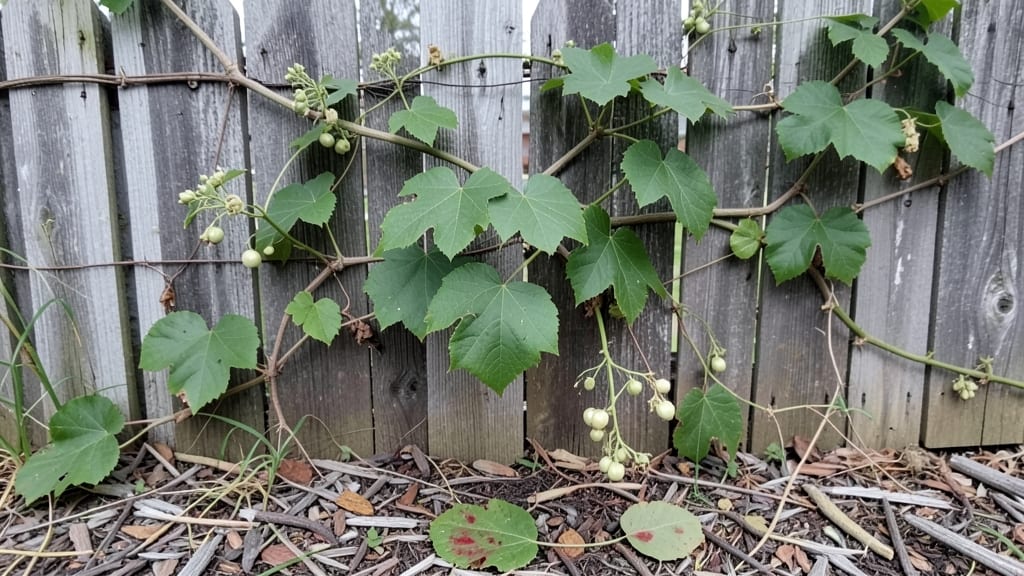
A plant skin allergy that turns gardening into an itchy ordeal isn’t just annoying—it can ruin your love for plants. A plant skin allergy turns your favorite hobby into a battle with rashes, and I’ve learned the quick fixes that stop the misery fast.
The key is acting before the itch spreads, whether it’s from poison ivy, stinging nettles, or even some surprising garden staples.
Most reactions happen because you’re not washing off oils or sap right away. I’ve seen gardeners scratch for days because they missed this step—so I’ll show you the 30-second rinse that cuts symptoms in half.
Barrier creams and gloves work too, but even those have limits. The real game-changer? Knowing which plants are troublemakers before you plant them.
By the end, you’ll spot allergenic plants like poison oak or ragweed from a mile away—and swap them for safe, low-risk alternatives that still look stunning. No more avoiding gardening because of itchy skin. Let’s get you back to digging without the dread.
This works for beginners and seasoned gardeners alike, whether you’re dealing with a sudden outbreak or just want to prevent one. The fixes are simple, but they make all the difference when your hands start burning after a day in the dirt.
The Hidden Triggers Behind Plant Reactions
If you’ve ever scratched a patch of skin after gardening and woken up with a red, itchy rash, you’re not alone. Plant skin allergies—often called dermatitis—happen when your immune system overreacts to compounds in plants. But what exactly sets off these reactions?
The culprits aren’t always obvious, and understanding them is the first step to avoiding flare-ups. Let’s break down the science behind why your skin might be rebelling against your favorite green friends.
Meet urushiol, the oil found in plants like poison ivy, poison oak, and poison sumac. This compound is so potent that even tiny amounts—like those left on your tools or clothing—can trigger an allergic reaction in sensitive individuals.
- How it works: Urushiol penetrates your skin and binds to proteins, confusing your immune system into launching an inflammatory response. This leads to blisters, swelling, and that classic "line" rash where the plant brushed against you.
- Hidden sources: The oil can linger on gardening gloves, pet fur (if they’ve been outside), or even household items like lawnmowers or hiking boots.
- Actionable tip: Wash exposed skin immediately with soap and cool water—delaying cleanup increases your risk of a severe reaction. 💡 Pro tip: Use a dedicated "plant wash" station with rubbing alcohol to decontaminate tools post-use.
While urushiol gets the most attention, other plant compounds—like sap and pollen—can also spark allergic reactions. These are common in flowers, trees, and even some houseplants.
- Sap sensitivity: Plants like primrose, dandelion, and fig trees contain resins that can cause contact dermatitis. The reaction often starts as a mild irritation but can escalate to redness and peeling if left untreated.
- Pollen’s role: While pollen is more famous for triggering hay fever, it can also settle on your skin and cause hives or eczema-like symptoms—especially if you’re already prone to allergies.
- Actionable tip: Wear long sleeves and gloves when handling unknown plants or those you suspect might be irritants. If you’re allergic to pollen, shower right after coming indoors to rinse off any lingering particles. 🌡️ Pro tip: Use a damp cloth to wipe down your skin before touching your face—this prevents pollen from spreading to sensitive areas.
Some plants, like rhubarb, spinach, and kale, contain high levels of oxalates. While these compounds are harmless to most people, they can cause skin irritation in sensitive individuals—especially when the plant is crushed or juiced.
- How it happens: Oxalates irritate the skin directly, leading to redness, burning, or even chemical burns if concentrated (like in fresh rhubarb stems). They’re also a common trigger for phytodermatitis, a type of rash caused by plant chemicals.
- High-risk plants: Beyond leafy greens, citrus rinds, tomato leaves, and potato sprouts can all contain oxalates or other irritants.
- Actionable tip: Always wear gloves when handling raw, leafy produce. If you’re preparing plants like rhubarb, avoid touching the leaves (the stalks are edible, but the leaves are toxic). ✨ Pro tip: Rinse produce thoroughly under running water to reduce oxalate exposure, but don’t scrub your skin afterward—this can drive compounds deeper into pores.
If you’re allergic to latex, pollen, or certain foods (like bananas or avocados), your immune system might also react to similar proteins in plants. This is called cross-reactivity, and it’s why some gardeners develop rashes from seemingly harmless plants.
- Common cross-reactors:
- Latex allergy → Fig trees, rubber plants, or mango skins
- Birch pollen allergy → Apple, carrot, or celery (yes, even the plants themselves!)
- Grass pollen allergy → Tomatoes, peaches, or wheatgrass
- Why it matters: Even if a plant hasn’t irritated you before, a cross-reaction could turn a simple gardening session into a red, itchy nightmare.
- Actionable tip: If you have known allergies, research cross-reactive plants before handling them. Keep an epinephrine auto-injector (like an EpiPen) on hand if you’re at high risk for severe reactions. 🎯 Pro tip: Patch-test new plants by applying a small amount of sap or pollen to your inner arm and waiting 24 hours to monitor for reactions.
Quick Fixes for Plant-Related Skin Reactions
If your skin is reacting to plants, acting fast can ease discomfort and prevent flare-ups. Below are targeted solutions based on the most common causes—from direct contact to airborne irritants—along with prevention tips to keep your skin safe in the future.
If you’ve touched a plant like poison ivy, poison oak, or stinging nettles, your skin may break out in a rash, itch, or blister. Here’s how to stop the spread and soothe symptoms:
1.
Wash Immediately (The First 30 Minutes Matter!) 🔥 Act fast: Use cool water and mild soap (like Dove Sensitive Skin or Cetaphil) to remove plant oils (urushiol in poison ivy/oak, formic acid in nettles). 👨🍳 How to do it: - Scrub under running water for 10–15 minutes—this dilutes the irritants. - Avoid hot water (it can open pores and worsen absorption). - Pat dry with a clean towel (don’t rub).
💡 Pro Tip: If you’re outside and can’t wash right away, cover the area with a wet cloth to slow absorption.
2. Neutralize the Irritant
✨ For poison ivy/oak:
- Wash with rubbing alcohol (70% isopropyl) or technical grade soap (like Zanfel or Tecnu) to break down urushiol.
- Do NOT use: Hydrogen peroxide, bleach, or baking soda—they can irritate further.
🌡️ For stinging nettles:
- Apply a cool compress with baking soda paste (1 tbsp baking soda + 1 tbsp water) to neutralize formic acid.
- Avoid scratching—it releases more histamine and worsens the sting.
3. Soothe the Rash
🥘 Over-the-counter (OTC) relief:
- Hydrocortisone cream (1%) – Reduces inflammation and itching.
- Calamine lotion – Dries out weepy rashes.
- Oral antihistamines (Benadryl, Zyrtec) – Helps with itching and swelling.
💡 Pro Tip: If blisters form, keep them intact—popping them increases infection risk. Use antibacterial ointment (Neosporin) if they break.
4. Prevent Cross-Contamination
🔪 Wash everything that touched the plant:
- Clothing (wash in hot water with vinegar).
- Tools (hose off with water, then disinfect with rubbing alcohol).
- Pets (wipe paws with a damp cloth—they can track oils indoors!).
⏰ When to see a doctor:
- If the rash spreads beyond the contact area (sign of urushiol spread).
- If you develop fever, swelling, or pus (possible infection).
If your skin reacts to plant pollen, sap mist, or dust from dried leaves, you might experience eczema flare-ups, hives, or contact dermatitis. Here’s how to block triggers and calm reactions:
1. Shield Your Skin Before Exposure
🛡️ Wear protective gear:
- Long sleeves & pants (lightweight, breathable fabrics like linen or moisture-wicking polyester).
- Nitrile gloves (better than latex for chemical resistance).
- Bandana or mask (if working near pollen-heavy plants like ragweed or grass).
💡 Pro Tip: If you’re pruning or burning plants, wear goggles—sap particles can irritate eyes and skin.
2. Cleanse After Outdoor Work
🚿 Shower within 30 minutes with:
- Antibacterial soap (like Dial Gold).
- Cool water (hot showers can strip natural oils, making skin more reactive).
- Rinse hair thoroughly (pollen can cling to strands and worsen allergies).
🌡️ For existing reactions:
- Apply fragrance-free moisturizer (like CeraVe or Vanicream) to lock in hydration.
- Use cool compresses with green tea (tannins reduce inflammation) or aloe vera gel.
3. Reduce Indoor Exposure
🏠 If plants are the issue:
- Vacuum frequently (use a HEPA filter to trap pollen).
- Wash hands before touching face (prevents transfer to eyes/nose).
- Keep windows closed during high-pollen seasons.
✨ For sap-sensitive skin:
- Store gardening tools outside (sap can linger on handles).
- Disinfect work surfaces with vinegar or rubbing alcohol.
The best way to avoid plant skin reactions is to break the cycle with these habits:
1. Identify Your Triggers
📊 Keep a symptom journal:
- Note which plants cause reactions (e.g., mango leaves, eucalyptus, or lavender).
- Track weather patterns (humidity can worsen pollen spread).
💡 Pro Tip: Use apps like PlantNet to ID unknown plants before touching them.
2.
Strengthen Your Skin Barrier 💪 Daily skincare routine: - Morning: Apply zinc oxide sunscreen (protects from UV + some plant irritants). - Evening: Use ceramides or colloidal oatmeal (repairs skin barrier—try Aveeno Eczema Therapy). - Weekly: Exfoliate gently with a lactic acid toner (removes dead skin where irritants hide).
3. Natural Desensitization (For Frequent Gardeners)
🌱 Gradual exposure method:
- Start by touching the plant for 5 seconds, then wash immediately.
- Slowly increase time (e.g., 10 sec → 30 sec) while monitoring reactions.
- Only try this for low-risk plants (not poison ivy/oak!).
⚠️ Warning: This only works for mild sensitivities—consult a dermatologist first.
4.
Emergency Kit for Gardeners 🎒 Pack this for outdoor work: | Item | Purpose | |------|---------| | Zanfel or Tecnu | Neutralizes urushiol (poison ivy/oak) | | Hydrocortisone cream (1%) | Reduces inflammation | | Antihistamine (Benadryl) | Stops itching fast | | Nitrile gloves | Blocks direct contact | | Baby wipes (unscented) | Quick cleanup | | Aloe vera gel | Soothes minor burns/rashes |
If OTC treatments don’t work within 48 hours or you develop:
- Large blisters
- Facial swelling
- Difficulty breathing (sign of severe allergic reaction)
See a dermatologist or allergist—they can prescribe stronger creams (like steroid ointments) or allergy shots for long-term relief.
By acting fast and preventing exposure, you can keep gardening without the itch—happy (and rash-free) planting! 🌱😊
Frequently asked questions
What are the most common plants that cause skin allergies?
Poison ivy, poison oak, and stinging nettles are the top culprits, thanks to their urushiol oil or formic acid. Other troublemakers include citrus rinds, mango leaves, eucalyptus, and even some common garden flowers like primrose. Always research plants before handling them—especially if you have sensitive skin.
How long does it take for a plant skin allergy to develop after exposure?
Symptoms usually appear within 12-48 hours for most reactions, though some people react immediately. With poison ivy/oak, rashes often show up 24-72 hours after contact. Stinging nettles cause instant stinging/burning, but redness may develop later. Act fast—washing within 30 minutes can prevent severe reactions.
Can I build immunity to plant skin allergies?
No, you can’t truly build immunity, but some people experience milder reactions over time with repeated exposure. However, this is risky—reactions can worsen unexpectedly. The safest approach is prevention: wear gloves, wash immediately, and avoid known irritants. For severe cases, see an allergist about allergy testing or immunotherapy.
What’s the best way to remove plant oils from gardening tools?
Use rubbing alcohol (70% isopropyl) or a dedicated plant cleaner like Tecnu on tools after each use. Soak wooden handles in vinegar and water (1:1 ratio) for 10 minutes, then scrub and rinse. Store tools outside or in a sealed bin to prevent cross-contamination with household items.
Are there hypoallergenic plants I can grow instead?
Yes! Opt for aloe vera, spider plants, or Boston ferns—they’re low-risk for most people. Other safe choices include succulents (like snake plant) and orchids. Always patch-test new plants first, and avoid latex-producing plants (like rubber plants) if you have latex allergies.