
Pruning
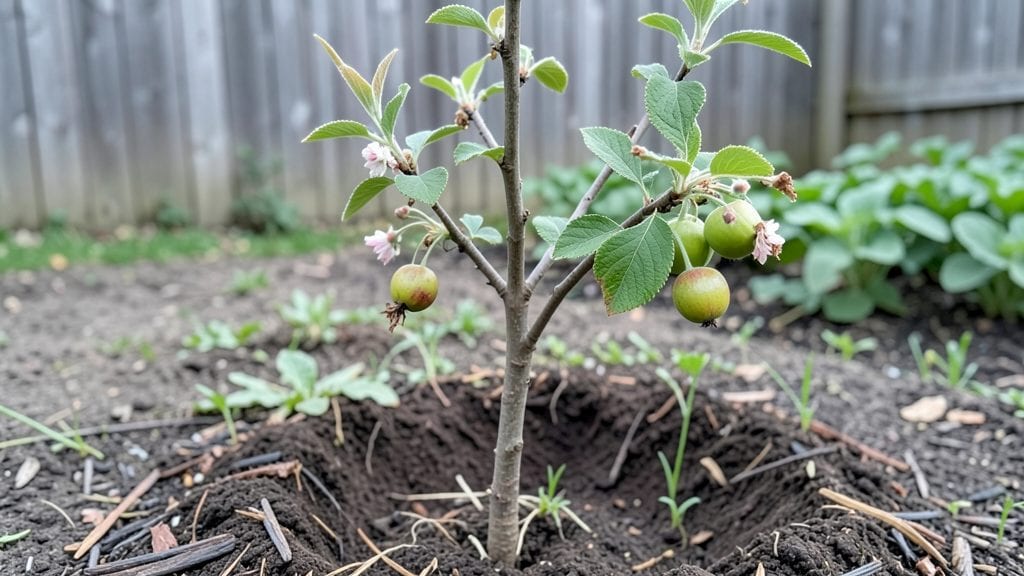
Planting a crabapple tree in full sun transforms your yard into a four-season showstopper. ✨ The right spot and soil prep make all the difference—I learned that the hard way when my first tree struggled in heavy clay.
Now, I know exactly how to give these trees the start they deserve, from well-draining soil to the perfect planting depth.
You’ll need a sunny location with at least 6 hours of sunlight daily, a shovel, compost, and a 15-20 gallon hole. Most nurseries carry disease-resistant varieties like 'Adirondack' or 'Dolgo', which handle pests better than older types.
The key is matching the tree’s needs to your yard—too much shade means sparse blooms, while poor soil leads to weak roots.
After planting, consistent watering keeps the roots happy until the tree establishes itself. Mulch helps retain moisture, and a 2-inch layer around the base (but not touching the trunk) prevents weeds while protecting roots.
By next spring, you’ll see vigorous new growth and the first wave of fragrant blossoms that attract pollinators.
These trees thrive for decades with minimal fuss—just annual pruning to shape them and monitor for common pests like apple scab. The best part? Their glossy leaves, colorful fruit, and winter interest make them the ultimate low-maintenance star. Ready to plant yours?
📚 In This Guide
- What you need
- Instructions
- Tips and common mistakes
- Wrapping up and next steps
What you need
- ● Crabapple tree: Choose a healthy, container-grown or bare-root sapling (size depends on preference: 1-2 gallons for small, 7-15 gallons for mature trees). Opt for disease-resistant varieties like 'Liberty' or 'Adirondack'.
- ● Shovel: A round-point or digging shovel (24-30 inches long) for digging the hole.
- ● Garden gloves: Heavy-duty, waterproof gloves to protect your hands.
- ● Native soil or compost mix: 50% native soil + 50% compost (or a high-quality potting mix if soil is poor). Avoid heavy clay or sandy soil unless amended.
- ● Mulch: 2-4 inches of organic mulch (shredded bark, wood chips, or pine straw) to retain moisture and suppress weeds.
- ● Watering can or hose: With a gentle spray nozzle for thorough watering.
- ○ Tree stakes (optional but recommended): 2-4 wooden or metal stakes (4-6 feet long) + soft tree ties to support young trees in windy areas.
- ○ Fertilizer (optional): A balanced, slow-release fertilizer (10-10-10 or 20-20-20) for newly planted trees.
- ● Location: Pick a spot with full sun (6+ hours/day) and well-draining soil. Avoid low-lying areas where water pools.
- ● Spacing: Plant at least 15-20 feet apart from other trees, buildings, or structures to allow for mature growth.
- ● Timing: Best planted in early spring or fall when temperatures are mild (avoid extreme heat or frost).
- ● Local regulations: Check if your area requires a permit for planting trees near power lines or in public spaces.
Step-by-Step instructions for planting a crabapple tree
Here’s how to plant your crabapple tree for stunning blooms, vibrant fall color, and lasting curb appeal.
🪴 Step 1: Choose the Perfect Planting Spot
Crabapple trees thrive in full sun, so pick a location that gets at least 6-8 hours of direct sunlight daily. Avoid low spots where water pools—these trees hate soggy roots. I always measure 10-15 feet from structures like houses, fences, or sidewalks to give the tree room to grow without future crowding.
Test the soil by digging a 12-inch hole—if it’s hard or compacted, mix in 2-3 inches of compost from the 2 bags of organic compost to improve drainage and fertility. The spot should also be visible from your home or driveway so you can enjoy the tree’s seasonal beauty year-round.
🌱 Step 2: Dig and Prepare the Planting Hole
Dig a hole twice as wide as the tree’s root ball but no deeper—this prevents the roots from sitting too low, which can suffocate them. I use a shovel to loosen the sides of the hole so roots can spread naturally into the surrounding soil. If your soil is clay-heavy, break up the bottom with a garden fork to encourage better water absorption.
Place the 1-gallon crabapple tree in the hole and check that the top of the root ball sits level with the surrounding soil. Fill the hole halfway with native soil, then water it deeply to settle everything. This step ensures the tree won’t sink or develop a girdling root later on.
💧 Step 3: Backfill and Water Thoroughly
Once the hole is half-filled, use your hands to gently press the soil around the roots, removing any air pockets. Add the remaining soil, firming it lightly as you go. I like to create a small watering basin around the base by mounding soil outward—this helps direct water straight to the roots during the first critical weeks.
Water the tree deeply using 5 gallons of water from the 5-gallon watering can. The soil should be moist 6-8 inches down—stick your finger in to check. Mulch the area with 2 inches of mulch from the 1 bag of mulch, keeping it 3 inches away from the trunk to prevent rot. This protects the roots from temperature swings and retains moisture.
☀️ Step 4: Provide Care for the First Growing Season
Crabapple trees need consistent moisture during their first year, so water once a week if rainfall is less than 1 inch. You’ll know it’s time to water when the top 2 inches of soil feel dry. Avoid overwatering—soggy soil leads to root rot, which can kill young trees.
Fertilize lightly in early spring with a balanced, slow-release fertilizer (like 10-10-10) to support root growth. I scatter ½ cup of fertilizer around the drip line and water it in. Prune only to remove any broken branches—wait until the tree is established before shaping it. This ensures strong, healthy growth from the start.
⏰ Step 5: Monitor and Enjoy Year-Round Beauty
Watch for new leaves in spring—this is your sign the tree is thriving. By summer, you’ll see buds forming for next year’s blooms, and in fall, the foliage will turn stunning shades of red or orange. I always take notes on the tree’s growth each season so I can adjust care as it matures.
After the first year, your crabapple tree will need minimal care—just occasional watering in dry spells and pruning to remove dead wood. In 3-5 years, it’ll reward you with fragrant spring blossoms, edible (but tart!) fruit for wildlife, and vibrant fall color that brightens any landscape.
Tips & tricks for planting a crabapple tree
These game-changing tips will help you plant a thriving crabapple tree that brings beauty to your landscape for decades to come!
Sunlight is Non-Negotiable: That 6-8 hours of direct sunlight in Step 1 is absolutely critical! I've planted crabapple trees in partial shade, and while they survive, they never reach their full potential. If your yard doesn't get full sun, consider planting near a south-facing wall or fence that reflects sunlight. Trust me, the difference in bloom size and fall color is night and day!
Soil Prep Makes All the Difference: When testing your soil in Step 1, pay special attention to drainage. Crabapple trees hate soggy roots, so if your soil feels compacted, mix in that 2-3 inches of compost from your 2 bags right from the start. I've seen trees planted in heavy clay soil struggle for years until we amended it properly. Pro tip: Add a handful of perlite to improve drainage if you're in particularly dense soil.
Root Ball Position is Critical: In Step 2, when you're checking that root ball level, don't just eyeball it! Use a level tool to ensure it's perfectly horizontal. I've seen trees planted with the root ball tilted, which causes uneven growth. Also, gently loosen any circling roots in the root ball before planting—they'll strangle your tree as it grows. This simple step can prevent years of stunted growth!
Watering Wisdom: That 5 gallons of water in Step 3 is just the beginning! Create a watering schedule right from planting day. For the first month, water every 2-3 days (not just once a week) to help the roots establish. I like to use a soaker hose buried 2 inches deep around the tree to deliver water directly to the roots without wetting the leaves, which helps prevent fungal diseases.
Pro Tips for Planting A Crabapple Tree
- These game-changing tips will help you plant a thriving crabapple tree that brings beauty to your landscape for decades to come!
- Sunlight is Non-Negotiable: That 6-8 hours of direct sunlight in Step 1 is absolutely critical!
- Soil Prep Makes All the Difference: When testing your soil in Step 1, pay special attention to drainage.
Frequently asked questions
Got questions about planting your crabapple tree? You’re not alone! Here are answers to the most common concerns to help you grow a thriving, beautiful tree with confidence.
When is the best time to plant a crabapple tree?
The ideal time is early spring or fall—when temperatures are mild and the tree isn’t under stress. Planting in late fall (before hard frost) or early spring (after the last frost) gives roots time to establish before extreme weather. Avoid planting in summer heat or winter freeze, as these can shock young roots.
How close to my house or fence can I plant a crabapple tree?
Crabapple trees can grow 20–30 feet tall, so plant at least 10–15 feet away from structures to avoid root intrusion or overhanging branches. Check your local codes—some areas require setback rules. If space is tight, choose a dwarf variety (like ‘Adirondack’), which stays under 15 feet.
Do crabapple trees need full sun, or can they tolerate partial shade?
While they thrive in full sun (6+ hours/day), crabapples can tolerate partial shade (4–6 hours), though fruit production and vibrant foliage may suffer. For best blooms and disease resistance, prioritize a south- or west-facing spot with minimal afternoon shade.
Why are my crabapple tree’s leaves turning yellow or dropping early?
Yellowing leaves often signal overwatering, nutrient deficiency, or fungal issues (like apple scab). Check soil moisture—roots need well-draining soil. Apply a balanced fertilizer in spring, and prune for airflow. If spots or mold appear, treat with a copper fungicide early in the season.
Can I plant a crabapple tree in a container or small yard?
Crabapples aren’t ideal for containers (they need deep roots), but dwarf varieties work in small yards. Choose a spot with at least 8–10 feet of clearance and use container-sized trees (like ‘Sargent’ or ‘Centennial’). If space is ultra-limited, consider columnar or espalier-trained options for a vertical grow.
Wrapping up and next steps
Planting a crabapple tree is a rewarding way to bring year-round beauty, fragrance, and wildlife support to your landscape—whether you’re a seasoned gardener or just starting out. 🌳 With the right location, soil prep, and care, your tree will thrive, offering stunning blooms, vibrant fall foliage, and even delicious fruit for birds (and maybe you!).
Now that you’re armed with the key steps and tips, take the next step: mark your spot, gather your tools, and dig in! Watching your crabapple grow into a showstopper is worth every moment of effort—so go ahead and make your garden shine. 🌟