
Trees
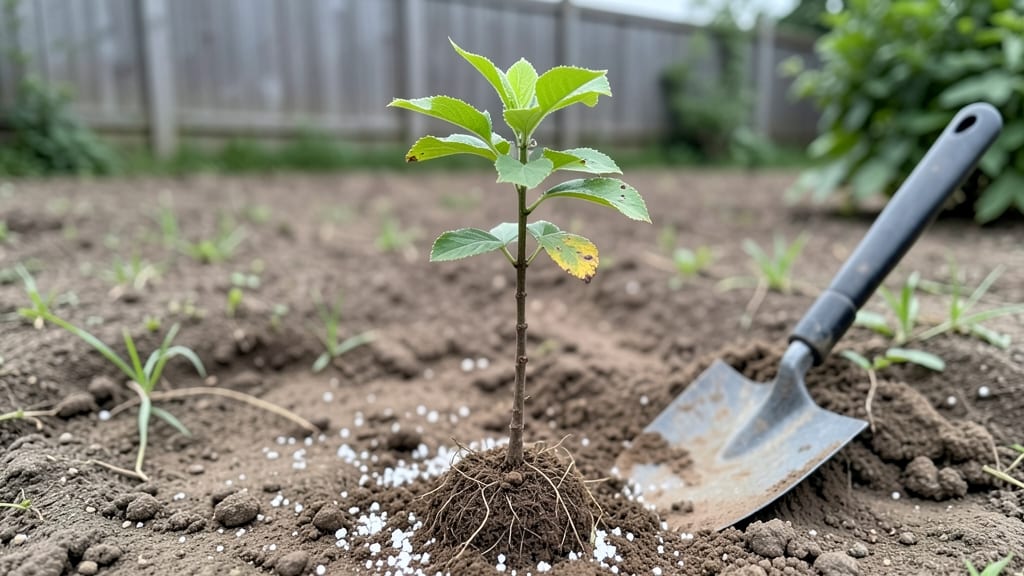
Planting trees in clay soil feels like fighting a losing battle—until you learn how to break up that dense, stubborn earth. ✨ I’ve buried more saplings than I’d like to admit in heavy clay, only to watch them struggle for years.
The secret isn’t forcing roots through the clay but loosening the soil first so they can spread freely.
Start with the right tools: a broadfork or digging bar to shatter compaction layers, coarse sand or compost to improve drainage, and trees bred for tough conditions like oaks, serviceberries, or hackberries.
These species thrive where others fail. The key is working with the clay—not against it—by creating pockets of air and organic matter where roots can grow.
After planting, keep the soil moist but not soggy for the first year. Mulch heavily to prevent crusting, and avoid tilling, which just packs the clay tighter. Within months, you’ll see roots branching out where they couldn’t before.
The payoff? Trees that stand strong through droughts and storms, their canopies shading your yard for decades.
This method works for urban lots, rural acres, or even containers—just adjust the soil mix. The hardest part is getting started, but once you break the clay’s grip, your trees will thank you every autumn with vibrant foliage and deep roots holding fast. Let’s get those shovels moving.
📚 In This Guide
- What you need
- Instructions
- Tips and common mistakes
- Wrapping up and next steps
What you need
- ● Garden fork or digging fork: Heavy-duty, 18- to 24-inch tines (rent or borrow if needed—clay soil is tough!).
- ● Shovel: Round-point or spade for precision digging (16-inch blade recommended).
- ● Garden hoe: Stiff, sturdy handle (18-24 inches) for slicing through compacted layers.
- ● Rake: Bow rake with 6-8 inch tines to smooth soil post-amendment.
- ● Tree roots or saplings: Choose native species (e.g., oak, maple, or fruit trees) with strong clay-soil tolerance. Pro tip: Buy bare-root or container-grown trees for easier planting! 🌳
- ● Organic amendments: Compost (2-3 cubic yards per tree)
- ● Peat moss or coconut coir (1-2 bags, 2-3 cubic feet each)
- ● Gypsum (10-20 lbs per 100 sq ft) to break up clay without altering pH
- ● Mulch: Wood chips or straw (3-4 inches thick, keep 6 inches away from tree trunk).
- ● Watering can or hose: With a gentle spray nozzle for post-planting hydration.
- ● Soil test kit ($15-$25) to check pH and nutrient levels before planting.
- ● Biochar or worm castings (1-2 bags) for extra microbial boost.
- ● Tree stakes and soft ties (if planting in windy areas).
- ● Knee pads or gardening gloves for comfort during heavy work.
- ● Post-hole digger (if amending a large area).
Step-by-Step instructions for planting trees in clay soil
Here's my foolproof method to help roots spread freely instead of suffocating in dense clay.
🌱 Step 1: Test and Amend the Planting Hole
Dig a hole twice as wide as the root ball but only 12 inches deep—deeper holes trap water and suffocate roots. Scoop out the clay soil and break it up with a shovel or garden fork. I like to add 2-3 inches of compost mixed into the bottom third of the hole to improve drainage.
Clay soil compacts easily, so resist the urge to pack it down. Instead, create loose, crumbly layers. You'll know it's ready when you can squeeze a handful and see small air pockets form—this lets roots establish faster. If the hole fills with water after rain, dig a small drainage trench at the bottom to redirect excess moisture.
🪴 Step 2: Prepare the Tree and Root Ball
Remove the tree from its container and gently loosen the root ball with your fingers. If roots are tightly bound, score the sides with a knife to encourage outward growth. Place the tree in the hole so the top of the root ball sits 1-2 inches above ground level—this prevents water from pooling at the base.
Fill the hole with the amended clay soil, tamping lightly every 2 inches to eliminate air pockets. Avoid pressing too hard—you want roots to push through easily. Water deeply to settle the soil, then let it drain completely before backfilling. This step ensures roots won't suffocate in compacted clay.
☀️ Step 3: Mulch and Water for Root Establishment
Spread 2-3 inches of organic mulch (like wood chips) over the soil surface, keeping it 6 inches away from the trunk. Mulch helps regulate soil temperature and prevents water evaporation, which is crucial in heavy clay. Water the tree deeply until moisture reaches 12 inches down—you'll know it's enough when water pools briefly before draining away.
Clay soil holds moisture but drains poorly, so water once a week unless it rains. Overwatering in clay can suffocate roots, so always check by sticking your finger 2 inches deep
After 6-8 weeks, check the soil around the tree. If the surface remains hard and cracked, it's time to aerate. Use a garden fork to poke holes 6-8 inches deep around the drip line (the edge of the tree's canopy). This breaks up compacted clay and lets roots expand into looser soil. Watch for signs of stress—yellowing leaves or stunted growth often mean roots can't penetrate the clay. If this happens, dig a shallow trench around the tree and fill it with compost to encourage root spread. Trees planted in clay need patience, but with these adjustments, they'll grow strong and resilient.✂️ Step 4: Monitor and Adjust for Long-Term Growth
Tips & tricks for planting trees in clay soil
Clay soil can be tricky, but these practical tips will help your trees thrive despite its challenges.
Soil Preparation: When amending the hole with 2-3 inches of compost in Step 1, mix it thoroughly with the native clay soil. The goal is to create a loose, crumbly texture—not just pockets of compost. I like to use a garden fork to blend them together until the soil looks like dark, moist cake batter. This ensures roots can spread easily rather than hitting compacted clay layers.
Root Ball Handling: In Step 2, scoring the root ball with a knife isn't just about loosening—it's about creating channels for roots to grow outward. Make 4-6 vertical cuts around the sides, about 1/2 inch deep, to encourage roots to spread into the surrounding soil. This is especially important for trees in clay, where roots need every advantage to penetrate the dense soil.
Watering Wisdom: The 12-inch deep watering in Step 3 might seem excessive, but it's crucial. Clay holds moisture but drains poorly, so you want to saturate the entire root zone at once. I use a garden hose with a slow setting to avoid creating runoff. After watering, let the soil drain completely before backfilling—this prevents waterlogging, which can suffocate roots.
Long-Term Aeration: The 6-8 week check in Step 4 is your chance to intervene before stress shows up. If you notice hard, cracked soil, don't wait for yellow leaves to appear. Use a garden fork to create 6-8 inch deep holes around the drip line—this breaks up compaction and lets roots access nutrients. Think of it as giving your tree's roots a breathing room upgrade.
Pro Tips for Planting Trees In Clay Soil
- Clay soil can be tricky, but these practical tips will help your trees thrive despite its challenges.
- Soil Preparation: When amending the hole with 2-3 inches of compost in Step 1, mix it thoroughly with the native clay soil.
- Root Ball Handling: In Step 2, scoring the root ball with a knife isn't just about loosening—it's about creating channels for roots to grow outward.
Frequently asked questions
Got questions about tackling clay soil for your trees? You’re not alone—this heavy, sticky terrain can be tricky! Here are answers to the most common concerns to help you plant with confidence.
Can I plant trees directly in clay soil without amending it?
Yes, but with a few tweaks! While clay holds moisture well, it can suffocate roots if too dense. Focus on deep watering and mulching to improve drainage. Choose clay-tolerant trees like willows, oaks, or fruit trees, and break up compaction in the planting hole with a fork or shovel.
What’s the best time of year to plant trees in clay soil?
Spring or early fall are ideal—when soil is workable but not frozen or waterlogged. Avoid winter (frozen clay) or summer (dry, cracked soil). If planting in spring, do it before buds break to reduce stress. For fall, aim for 4-6 weeks before frost to let roots establish.
How often should I water trees planted in clay soil?
Clay soil retains water but drains poorly, so deep, infrequent watering is key. Water 1-2 times per week (or more in extreme heat) for the first year, soaking the root zone to 12–18 inches deep. Use a soaker hose or drip irrigation to avoid surface runoff.
What’s the easiest way to break up clay soil for tree roots?
Start by digging a hole twice as wide as the root ball and 12 inches deeper. Loosen the sides with a garden fork or broadfork to create channels for roots. Mix in 3–4 inches of compost or sand (50/50 ratio) into the bottom 6 inches to improve aeration.
My tree’s leaves are yellowing—is clay soil the problem?
Yellow leaves often signal poor drainage or nutrient issues. Check for waterlogging (soggy soil) or compacted roots. Amend the soil with organic matter, ensure proper mulching, and test pH (clay soils are often alkaline). If roots are circling, prune them gently and replant if needed.
Wrapping up and next steps
Planting trees in clay soil can feel like a challenge, but with the right techniques—like breaking up compaction and amending the soil—you’re already setting your trees up for success. 🌱 Remember, patience and preparation are key; healthy roots take time, but the effort will pay off with lush, resilient growth. Ready to take the next step? Start by testing your soil’s drainage and pH, then pick a tree species that thrives in clay.
Your green thumb is just getting started—keep growing!