
How To
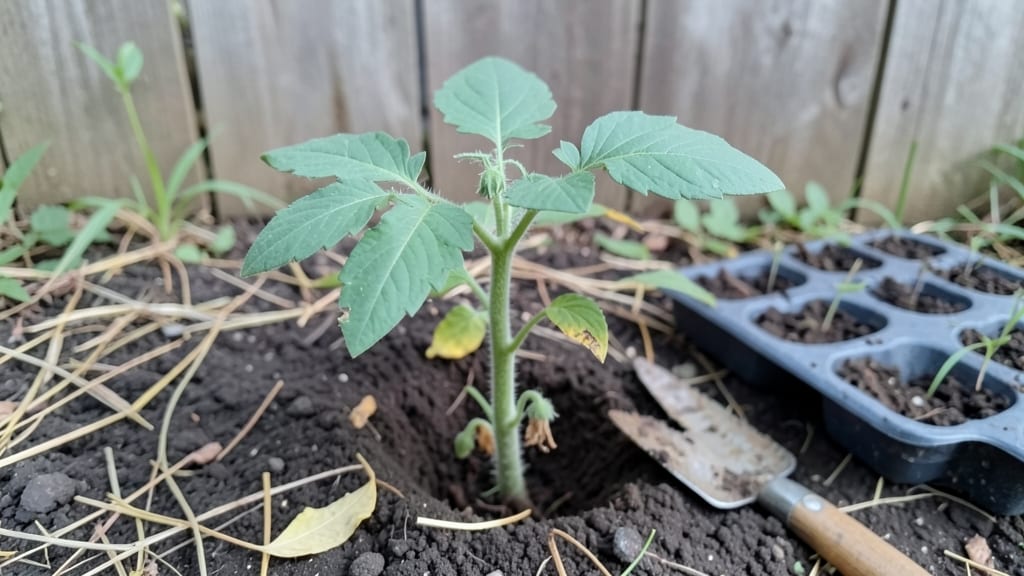
Knowing the planting dates 2025 for your USDA zone is the secret to a garden that thrives instead of struggles.
Timing is everything in gardening—plant too early and risk frost damage, too late and miss peak harvests. The 2025 planting calendar, tailored to your USDA zone, ensures you maximize growth and yield with precision.
Whether you're in Zone 6a or another region, this guide cuts through the guesswork, showing you exactly when to start seeds indoors, direct-sow outdoors, and plan for fall crops.
Below, I’ll break down the perfect schedule for vegetables, flowers, and herbs, plus how to adjust for your local microclimate so nothing gets left behind.


2025 Planting dates by USDA Zone: month-by-month guide
Timing your garden right means the difference between a thriving harvest and wasted effort. The 2025 planting calendar below aligns with USDA zones 3-11, accounting for frost-free dates and regional microclimates. Whether you're planting cool-season vegetables or heat-loving herbs, these windows ensure optimal growth.
I’ve organized this guide by monthly planting windows, highlighting when to start seeds indoors, transplant seedlings, and direct-sow outdoors. For example, Zone 5 gardeners should begin cold-hardy crops like kale and spinach in early March, while Zone 10 can plant tomatoes year-round with minimal frost risk.
Use this table as your planting roadmap. Adjust dates based on your last frost date (check your local USDA zone map) and soil temperature. Pro tip: Seed packets often provide ideal soil temps—wait until your soil reaches 60°F+ for warm-season crops like peppers and cucumbers.
🌱
For Zone 3-4, focus on early spring planting (March-April) to beat frost. Leafy greens like spinach and arugula thrive in cool soil, while root vegetables such as carrots and beets need consistent moisture.
In Zones 5-6, you’ll have a longer window—start tomatoes indoors in March and transplant after May 15.
In southern zones (7-11), the rules change. Zone 7+ can plant warm-season crops like okra and sweet potatoes as early as February. Zone 10-11 gardeners enjoy year-round planting, but prioritize fall crops (like broccoli) to avoid summer heat stress.
Always check soil temperature—warm-season plants need 65°F+ soil.
Don’t overlook fall planting! In Zones 3-6, sow cool-season crops like kale and <
How to adjust planting dates for your local microclimate
Your USDA zone provides a starting point, but local microclimates can shift planting windows by weeks. Urban areas often experience urban heat islands, while coastal regions face cooler winds and higher humidity.
Even a 500-foot elevation change can delay frost by 2-3 weeks. Understanding these factors helps you fine-tune your 2025 planting calendar for success.
Start by checking historical frost dates for your area—these are more reliable than general zone guidelines. For example, a Zone 7 garden in the mountains might align more closely with Zone 6 due to cooler temperatures.
Meanwhile, a city garden could mirror Zone 8 because of retained heat. Use a local weather station or cooperative extension service for precise data.
⚠️ 2025 Planting Dates Aren't Set in Stone
Seed packet guidelines are baselines, not rules. Adjust for:
- Elevation: Higher = later planting (cooler soils).
- Urban heat: Earlier starts for heat-loving crops.
- Coastal winds: Delay frost-sensitive plants by 1-2 weeks.
- Soil warmth: Use a soil thermometer—most seeds need 60°F+.
Pro tip: Test your soil 2 weeks before planting to avoid cold surprises.
For elevation adjustments, subtract 1 zone for every 1,500 feet above sea level. For example, a Zone 8 garden at 3,000 feet should follow Zone 6 timing. Conversely, valleys or lowlands may warm faster, allowing earlier plantings.
Pay attention to microclimate pockets—a south-facing wall can create a Zone 9 microclimate in a Zone 7 area.
Urban gardens often face higher temperatures due to concrete and asphalt absorbing heat. This can extend the growing season by 2-4 weeks in both spring and fall. For instance, tomatoes or peppers might thrive in Zone 7 urban areas when rural zones still risk frost.
Monitor nighttime temperatures—if they stay above 50°F, you can push planting dates earlier.
Coastal regions require extra caution. Salty winds and fog can delay soil warming, while ocean breezes may lower nighttime temps. If you’re near the coast, delay warm-season crops like cucumbers or squash by 10-14 days compared to inland areas.
Use row covers or black plastic mulch to warm the soil faster.
Leverage historical weather patterns to refine your schedule. Check records for the past 5 years—were there unusually early frosts or heatwaves? If your area had a late spring frost in 2024, consider starting heat-loving plants like okra or eggplant indoors or in a greenhouse.
For cool-season crops like kale or carrots, err on the side of earlier planting if your climate trends cooler.
Finally, use seed packet guidelines as a starting point, not a deadline. For example, if a packet says to plant basil after the last frost, but your microclimate warms quickly, you might plant it 2 weeks earlier.
Always pair this with soil temperature checks—basil needs soil at 70°F+, while lettuce thrives in 50-65°F.