
Tools
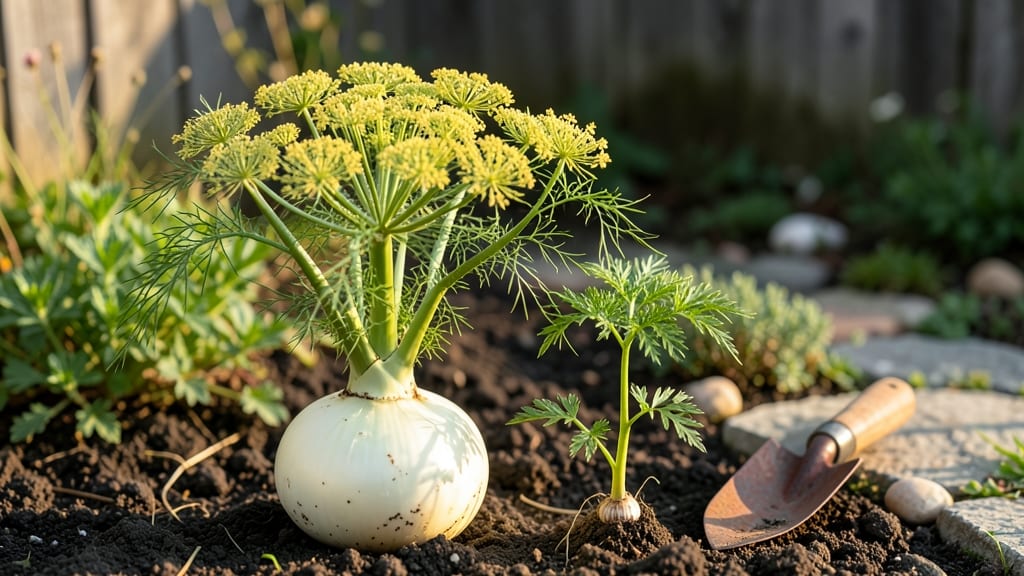
Planting fennel bulbs at the right depth is the secret to watching those first green shoots break through in just 7-10 days—not the three weeks most gardeners expect. I learned this the hard way after burying mine too deep one spring and waiting for nothing but disappointment.
The key isn't just the depth but the balance of warmth, moisture, and that perfect crumbly soil texture fennel craves to germinate.
You'll need just three things: a sunny spot with at least 6 hours of direct light daily, loose soil amended with compost (no heavy clay!), and those plump fennel bulbs you can find at garden centers in early spring.
The planting itself takes about 20 minutes—no fancy tools required. Just a small trowel, some patience, and the knowledge that fennel bulbs are actually perennial in warmer climates but treated as annuals in most home gardens.
When done right, you'll see those first delicate fronds pushing through the soil within a week, followed by the bold, feathery foliage that makes fennel so recognizable. The bulbs themselves will swell underground, ready for harvest in 90-120 days—crisp, white, and perfect for cooking.
The real magic happens when you realize you've grown something most people buy pre-packaged and wilted at the store.
This method works equally well in containers or in-ground beds, making it perfect for small spaces or urban gardens. Whether you're growing for the aromatic leaves, the edible bulbs, or just the sheer drama of those towering plants, the secret to success starts with getting that planting depth just right.
Let's get those bulbs in the ground!
📚 In This Guide
- What you need
- Instructions
- Tips and common mistakes
- Wrapping up and next steps
What you need
- ● Fennel bulbs: 3–5 healthy, firm bulbs (organic or heirloom varieties work best).
- ● Well-draining soil: 1–2 cubic yards of loose, fertile garden soil (pH 6.0–7.0). Mix in compost (1 part compost to 3 parts soil) for nutrients.
- ● Garden space: A sunny spot (6+ hours of sunlight daily) with at least 12 inches of soil depth.
- ● Tools: Trowel or hand fork (for digging).
- ● Garden gloves (to protect your hands).
- ● Watering can or hose with a gentle spray nozzle.
- ● Mulch: Straw or shredded leaves (1–2 inches thick) to retain moisture.
- ● Fertilizer: Balanced organic fertilizer (5-5-5 ratio) for faster growth.
- ● Row markers: Sticks or labels to track planting spots.
- ● Pest deterrent: Row covers or neem oil (if slugs/snails are a problem).
Step-by-Step instructions for planting fennel bulbs
Here's how to get those fennel bulbs growing strong and fast—no guesswork, just proven depth techniques.
Prepare the Planting Site
Fennel thrives in well-draining soil with plenty of space to spread. Choose a location with full sun—at least 6 hours daily—and loosen the top 12 inches of soil with a garden fork. Break up any compacted areas so roots can penetrate easily. I always work in a 2-foot diameter circle around where each bulb will go, ensuring no rocks or debris remain.
If your soil is heavy clay, mix in 2 inches of compost to improve drainage. Fennel hates soggy roots, so this step prevents rot before it starts. Test the soil moisture by squeezing a handful—it should crumble slightly but not stick together. If it feels dry, water lightly before planting to settle the soil.
Plant Bulbs at the Right Depth
Fennel bulbs need shallow planting—only 1 inch deep—to encourage fast germination. Place each bulb 12 inches apart in rows spaced 18 inches apart to give roots room to expand. Push the bulb gently into the soil so the top is just below the surface. Press lightly around the base to make contact with the soil, but don’t compact it.
Here’s the trick: Don’t cover the bulb completely. A little soil over the top helps anchor it, but too much delays sprouting. If your soil is loose, a light sprinkle of dirt over the bulb is enough. Water gently right after planting to help settle the soil around the roots without displacing the bulb.
Water and Mulch for Fast Germination
After planting, water deeply—1 inch of water—to moisten the soil down to 4 inches deep. Fennel bulbs need consistent moisture to germinate quickly, but avoid waterlogging. Let the top 1 inch of soil dry out slightly between waterings once the first leaves appear. I use a soaker hose to keep the water at the roots without disturbing the bulbs.
Spread 2 inches of mulch (like straw or shredded leaves) around each bulb, leaving a 2-inch gap at the base to prevent rot. Mulch keeps soil moisture even and blocks weeds, which compete for nutrients. Check the mulch weekly—if it dries out, add a little more to maintain that 1-inch soil moisture level.
Monitor for Sprouts and Thin as Needed
Germination takes 7-14 days—watch for the first green shoots to break through the soil. Once they’re 2 inches tall, thin seedlings to 12 inches apart if they’re crowded. Use sharp scissors to snip unwanted sprouts at soil level, so you don’t disturb the roots of the ones you’re keeping.
Fennel grows fast, so keep an eye out for yellowing leaves—a sign of overwatering or poor drainage. If this happens, reduce watering slightly and ensure the soil drains freely. Within 4-6 weeks, you’ll see strong, feathery foliage, and the bulbs will start forming. That’s your cue to adjust watering to encourage bulb growth!
Tips & tricks for perfect fennel bulb planting
Fast germination starts with these game-changing techniques that'll have your fennel thriving in record time.
Soil Preparation Secret: The 12-inch deep loosening in Step 1 isn't just about breaking up soil—it's about creating a root highway. Use a garden fork to create vertical channels that let roots grow straight down instead of circling. For heavy clay soil, mix in that 2 inches of compost right into the loosened area, not just on top. This ensures proper drainage from the very first inch where the roots will start growing.
Planting Depth Hack: That 1-inch shallow planting in Step 2 is critical—any deeper and you'll delay germination by weeks. Here's the trick: press the soil around the bulb firmly but gently, almost like you're giving it a little hug. This creates immediate contact without compacting. For loose soil, just a light sprinkle of dirt over the top is enough to anchor it without smothering.
Watering Wisdom: The 1-inch watering in Step 3 should penetrate to 4 inches deep, but don't just eyeball it. Use your finger to check—after watering, the soil should feel damp down to 4 inches. For the first week, I water every other day at this depth to establish that moisture consistency fennel craves. Once sprouts appear, let the top inch dry between waterings to prevent rot.
Mulch Strategy: That 2-inch mulch layer in Step 3 works double duty—keeping moisture consistent while blocking weeds. The key is leaving that 2-inch gap at the base to prevent rot. I use straw because it breaks down slowly, adding organic matter as it decomposes. Check weekly and add more if it shrinks below 2 inches, especially in hot weather when evaporation increases.
Pro Tips for Planting Fennel Bulb
- Fast germination starts with these game-changing techniques that'll have your fennel thriving in record time.
- Soil Preparation Secret: The 12-inch deep loosening in Step 1 isn't just about breaking up soil—it's about creating a root highway.
- Planting Depth Hack: That 1-inch shallow planting in Step 2 is critical—any deeper and you'll delay germination by weeks.
Frequently asked questions
Got questions about planting fennel bulbs?
You’re not alone! Here are answers to the most common queries to help you grow this aromatic herb with confidence.
How deep should I plant fennel bulbs for the best results?
Plant fennel bulbs just below the soil surface—about ½ inch deep. Over-deep planting can delay germination, while planting too shallow may expose them to drying out. Lightly cover with soil and pat gently to ensure good contact.
How long does it take for fennel bulbs to germinate?
Fennel bulbs typically sprout in 10–21 days, depending on soil warmth and moisture. Keep the soil consistently moist (but not soggy) and place them in a sunny spot. Patience is key—cool soil can slow germination, so consider starting indoors in early spring.
Can I plant fennel bulbs directly in the garden, or should I start them indoors?
Both work! For faster results, start bulbs indoors 4–6 weeks before the last frost. If planting directly outdoors, wait until soil temperatures reach 50°F (10°C) or warmer. Direct sowing is easier but may take longer to establish.
Why aren’t my fennel bulbs sprouting? Troubleshooting tips.
Check these common issues:
- Cold soil: Fennel thrives in warmth—wait until soil is at least 50°F (10°C).
- Dry soil: Keep the area moist (like a damp sponge) until sprouts appear.
- Old or rotten bulbs: Test viability by slicing a bulb—it should be firm and white.
- Poor drainage: Fennel hates soggy roots; amend heavy soil with compost.
Are fennel bulbs perennial, or do I need to replant every year?
Fennel bulbs are perennial in warm climates (USDA Zones 7–10) but often treated as annuals in cooler regions. Even if they return, they may produce fewer bulbs over time. For consistent harvests, replant fresh bulbs yearly or every other season.
Wrapping up and next steps
Planting fennel bulbs is a rewarding journey that starts with the right soil depth and care! By following these soil depth secrets, you’ll unlock faster germination and healthier plants.
Whether you’re a seasoned gardener or just starting out, your efforts will soon be rewarded with fragrant, flavorful fennel—perfect for culinary adventures or natural remedies.
Ready to grow your green thumb? Grab those bulbs, prep your soil, and watch your fennel thrive! 🌱 For even better results, experiment with companion planting or share your progress with fellow gardeners—happy growing!