
Pruning
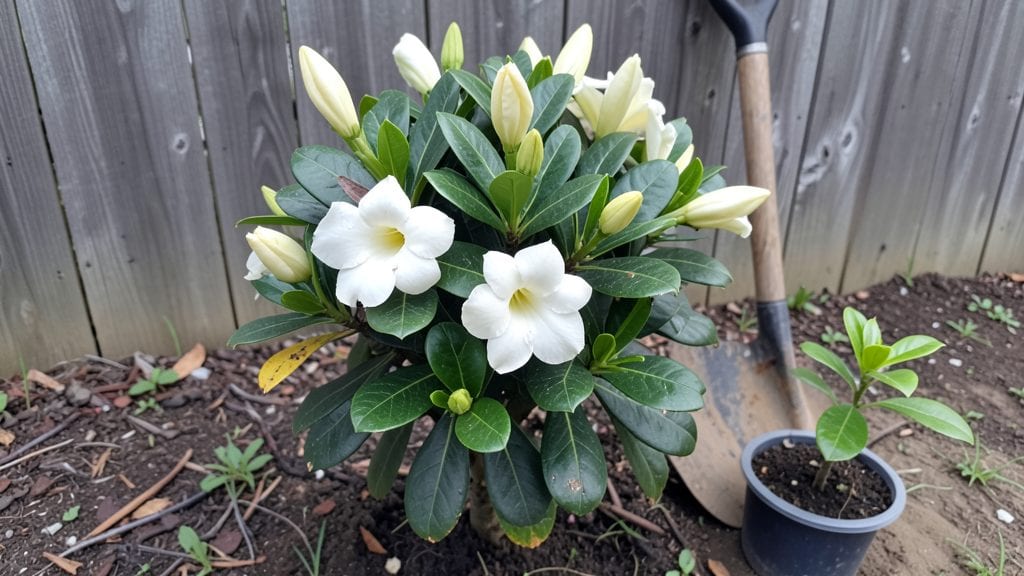
Planting a gardenia tree requires well-draining, acidic soil (pH 5.0–6.5), partial shade to full sun (6+ hours daily), and spacing 5–8 feet apart. Water deeply after planting, mulch to retain moisture, and prune lightly to encourage blooms while avoiding overcrowding.
Gardenias thrive when you mimic their natural tropical environment—acidic soil mimics their native habitat, while partial shade prevents leaf scorch in hot climates. 🌿 The 5.0–6.5 pH range ensures roots absorb iron and manganese efficiently, preventing yellowing leaves.
I’ve found that morning sun with afternoon shade works best in most U.S. zones, though coastal areas can handle full sun. Mulching with pine bark keeps moisture levels consistent and slowly acidifies the soil over time.
Timing matters too: spring or early fall planting gives roots time to establish before extreme temperatures. Dig holes twice as wide as the root ball but no deeper—this prevents water pooling.
For mature trees, I recommend a balanced 10-10-10 fertilizer applied 6 weeks after planting, followed by monthly checks for pests like spider mites, which love stressed gardenias.
💡 In This Article
- Optimal Gardenia Tree Soil and Sunlight Requirements
- Step-by-Step Gardenia Tree Planting Guide
Optimal gardenia tree soil and sunlight requirements
Gardenias evolved in acidic, well-draining soils of tropical Asia, where pH levels between 5.0–6.5 allow their roots to absorb essential nutrients like iron and manganese efficiently. When soil pH rises above 7.0, these nutrients become locked out, causing the telltale yellowing of leaves—a condition called chlorosis.
The root system also thrives in loose, aerated soil that prevents compaction, which restricts oxygen flow and leads to root rot. 🌱
Sunlight needs strike a delicate balance: gardenias crave 6+ hours of daily light but can't tolerate the intense afternoon sun of southern climates (USDA zones 8–10). Morning sunlight provides gentle energy for photosynthesis, while afternoon shade prevents leaf scorch.
In cooler zones (6–7), they can handle full sun, but leaves may develop brown edges if exposed to 90°F+ temperatures without relief. Coastal areas with mild summers often see thriving gardenias in full sun due to ocean breezes moderating heat.
To achieve the ideal acidic environment, amend native soil with organic matter like peat moss or pine bark fines, which lower pH gradually. A 3-inch layer of mulch (cypress or oak leaves work best) retains moisture while slowly acidifying the soil.
For drainage, consider raised beds or mounding soil around the base to prevent waterlogging—gardenias hate soggy roots. The key is creating a microclimate that mimics their native tropical forest floor, where dappled light and consistent moisture levels prevail.
Climate zones dramatically affect sunlight exposure. In USDA zone 9 and above, afternoon shade is critical, while zone 7 gardenias may need afternoon shade only during peak summer months. The rule of thumb: if your area experiences 100°F+ temperatures, prioritize shade structures like lattice screens or nearby trees.
For urban planters, east-facing locations provide ideal morning sun without harsh afternoon exposure. 🌿
Here's what happens when conditions go wrong: soil too alkaline (pH 7.0+) causes nutrient deficiencies, while poor drainage leads to fungal infections like root rot. Overwatering in heavy clay soil suffocates roots, while insufficient light results in sparse blooming.
The solution? Test soil pH annually with a home test kit and adjust with sulfur or aluminum sulfate if needed. For drainage, incorporate perlite or coarse sand into planting holes to create air pockets.
Pro tip: Gardenias in containers need extra attention. Use a 50/50 mix of acidic potting soil and perlite, and water only when the top 1–2 inches of soil feel dry.
Container-grown trees also benefit from slow-release acidifying fertilizers like Miracle-Gro Azalea/Camellia, which maintain the proper pH range without overfeeding. The goal is to replicate their natural habitat as closely as possible—because happy roots mean abundant, fragrant blooms.