
Propagation
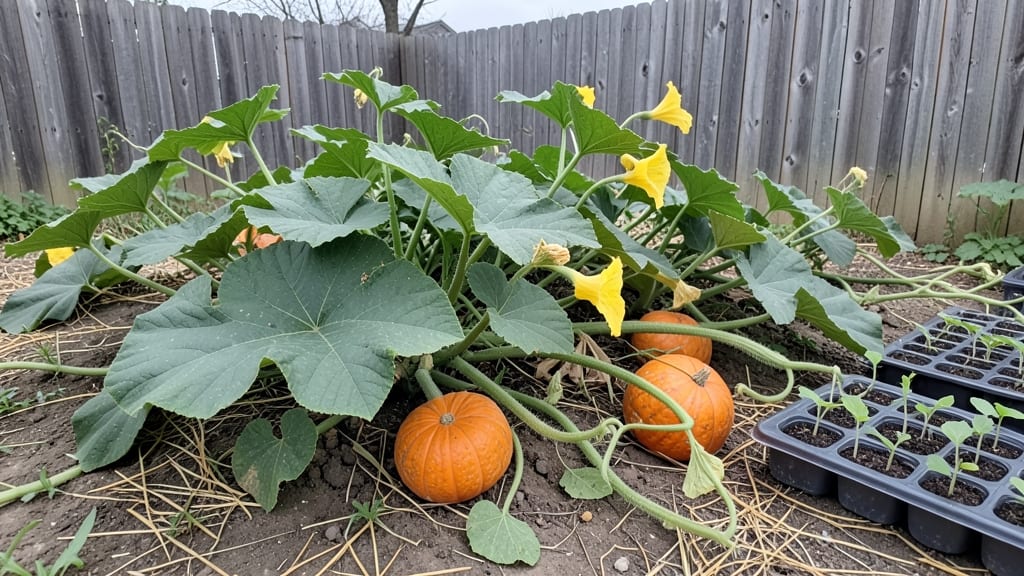
Planting giant pumpkin seeds isn't like tossing regular seeds into the dirt—it's a full commitment to space, soil, and patience. 🌱 I learned that the hard way when my first attempt produced vines that sprawled into the neighbor's yard (and their very confused dog).
The difference between a 50-pound pumpkin and a 200-pound monster starts in the soil, and it's not just about throwing in compost.
You'll need a minimum 10-foot diameter circle for each plant, rich soil with a pH between 5.8 and 6.8, and organic matter worked in to a depth of 12 inches. Giant pumpkins demand nutrients like nothing else—think 5-10-10 fertilizer mixed in at planting, with side dressings every 2-3 weeks.
The roots alone can weigh 100 pounds by harvest, so compacted soil is the enemy.
What you're really planting is a future harvest that'll make your neighbors stop and stare. Imagine vines stretching 30-50 feet, leaves the size of dinner plates, and fruit that looks like it belongs in a fairy tale.
With the right prep, you'll see first tendrils breaking soil in 7-10 days, followed by rapid growth that'll have you adjusting trellis plans by week 3.
Here's where most growers stumble: skipping the soil test or underestimating vine spread. Giant pumpkins aren't forgiving—they'll tell you immediately when something's wrong with stunted growth or yellowing leaves.
But get this right, and you're not just growing a pumpkin; you're cultivating a showstopping centerpiece that'll outshine every other garden in the county.
📚 In This Guide
- What you need
- Instructions
- Tips and common mistakes
- Wrapping up and next steps
What you need
- ● Giant pumpkin seeds: Choose certified heirloom varieties like Atlantic Giant or Big Max (10–20 seeds per plant).
- ● Well-draining soil: A mix of 60% topsoil, 30% compost, and 10% perlite/sand (minimum 10 cubic yards for a full patch).
- ● Fertilizer: Balanced 10-10-10 fertilizer (1 lb per 10 sq ft) for early growth.
- ● High-potassium 0-10-20 (1 lb per 10 sq ft) for flowering/fruiting.
- ● Mulch: Straw or black plastic (5–10 lbs per plant) to retain moisture and suppress weeds.
- ● Trellis or support: Heavy-duty netting or stakes (minimum 6 ft tall) to handle 50+ lb fruits.
- ● Garden trowel or transplanting tool (for seedling placement).
- ● Hoe or rototiller (to prep soil to 12+ inches deep).
- ● Watering can or drip irrigation system (giant pumpkins need 2–3 gallons per plant daily in peak season).
- ● Pruners (for managing vines and removing suckers).
- ● pH test kit (ideal soil pH: 6.0–6.8).
- ● Mycorrhizal fungi (boosts root growth—apply at planting).
- ● Epsom salt (1 tbsp per gallon of water for magnesium, applied weekly).
- ● Shade cloth (30–50% coverage to protect young seedlings from scorching).
- ● Giant pumpkin growing guidebook (for variety-specific tips).
Step-by-step instructions for planting giant pumpkin seeds
Here's how to give your giant pumpkins the nutrient-rich foundation they need to thrive.
🌱 Step 1: Test and Amend the Soil for Optimal Growth
Giant pumpkins demand soil with a pH between 6.0 and 6.8—any lower, and they won't absorb nutrients properly. I use a simple test kit to check mine, then adjust with pelletized lime if needed. Work the lime into the top 12 inches of soil at least 2 weeks before planting to let it fully integrate.
These vines also need exceptional fertility. Mix 5 gallons of compost and 2 cups of 10-10-10 fertilizer into each 4-foot square of planting area. Giant pumpkins spread aggressively, so don't skimp—think of this as their "vitamin boost" for the growing season. Till everything in until the soil looks dark and crumbly.
💧 Step 2: Create a Raised Planting Mound for Better Drainage
Giant pumpkins hate soggy roots, so I build a 2-foot tall, 4-foot wide mound of amended soil. This keeps the crown of the plant above potential waterlogging while still allowing deep root penetration. Use the 3 gallons of potting mix you reserved to top the mound—this ensures the planting area stays loose and airy where roots will form.
Shape the mound with gentle slopes on all sides so water runs off naturally. Press down firmly but not compactly—you want the soil to hold its shape but still allow roots to push through easily. Leave the top flat so seeds sit level and don't roll into low spots.
☀️ Step 3: Plant Seeds at the Right Depth and Spacing
Giant pumpkin seeds are large and thick-skinned, so I plant them 1-2 inches deep—any shallower and they'll dry out before germinating. Space 4 seeds in a square pattern across the mound's center, about 12 inches apart. This gives each seedling room to establish before thinning.
Water deeply right after planting to settle the soil around the seeds. Use a hose on gentle spray to avoid displacing them—giant pumpkin seeds need consistent moisture but won't tolerate being washed away. Cover the area with 1 square yard of black plastic mulch to retain heat and suppress weeds, cutting X-shaped holes for each seed.
⏰ Step 4: Monitor Germination and Thin Seedlings
Germination takes 7-14 days at 70-85°F, depending on your climate. Watch for first true leaves (the second set after the initial seed leaves) before deciding which seedlings to keep. I wait until all seedlings have 3-4 true leaves before thinning to 2 strongest plants, using clean scissors to snip at soil level.
This is where most gardeners make mistakes—don't pull seedlings by hand. You'll disturb the roots of the remaining plants, which giant pumpkins cannot afford. After thinning, water again to help the remaining plants recover and establish their root systems.
Tips & tricks for planting giant pumpkin seeds
Giant pumpkins don't grow from just any soil—they demand a thoughtful approach that pays off in massive yields. Here's what I've learned after years of trial and error in growing these giants.
The pH Factor: That 6.0-6.8 pH range isn't arbitrary—it's where giant pumpkins can access all the nutrients they need. I've seen plants struggle in soil that tested 5.8, even with extra fertilizer. Test your soil at least 3 weeks before planting, not just 2 weeks, to give that pelletized lime time to fully integrate. The top 12 inches is critical because that's where most roots will develop. If you're unsure about your soil's pH, consider using a soil test kit with a color chart for quick results.
Mound Construction Secrets: The 2-foot height of your mound might seem excessive, but it's what keeps those massive vines from sitting in soggy soil. I've found that adding a 4-inch layer of coarse sand to the base of the mound improves drainage even further. When shaping the mound, think of it like building a small hill—gentle slopes prevent water pooling while still giving roots room to spread. The 3 gallons of potting mix on top isn't just decoration; it creates that perfect loose, airy environment where roots can establish quickly.
Seed Spacing Strategy: Those 12 inches between seeds might seem generous, but giant pumpkins spread aggressively—what starts as 4 seeds can quickly become a 10-foot diameter vine. I've learned to mark the planting spots with small stakes before planting to ensure perfect spacing. The 1-2 inch depth is crucial too; planting too shallow means seeds dry out before germinating, while planting too deep can prevent them from breaking through the soil. A good rule of thumb is to plant seeds at about three times their diameter deep.
Germination Watch: The 7-14 day germination window at 70-85°F can be nerve-wracking, especially if you're eager to see those first leaves. I've found that keeping the black plastic mulch tightly sealed around the planting holes (except for the X-shaped openings) helps maintain that ideal temperature range. If you're in a cooler climate, consider using a small greenhouse or even a clear plastic bottle cut in half to create a mini greenhouse effect over each seed. Watch for those first true leaves—they're your signal that germination is complete and the real growth phase is beginning.
Pro Tips for Planting Giant Pumpkin Seeds
- Giant pumpkins don't grow from just any soil—they demand a thoughtful approach that pays off in massive yields.
- The pH Factor: That 6.0-6.8 pH range isn't arbitrary—it's where giant pumpkins can access all the nutrients they need.
- Mound Construction Secrets: The 2-foot height of your mound might seem excessive, but it's what keeps those massive vines from sitting in soggy soil.
Frequently asked questions
Got questions about growing giant pumpkins? You’re not alone—these massive gourds require extra care! Here are answers to the most common queries to help you succeed.
How long does it take for giant pumpkin seeds to germinate?
Giant pumpkin seeds typically sprout in 7–14 days after planting, depending on soil warmth and moisture. Keep the soil consistently damp (not soggy) and maintain temperatures above 70°F (21°C) for faster germination. If seeds don’t sprout within 2 weeks, they may be dormant—try soaking them in warm water for 24 hours before replanting.
When is the best time to plant giant pumpkin seeds?
Plant seeds 2–4 weeks after your last frost date, once soil reaches 60°F (15°C) or warmer. Giant pumpkins thrive in long, hot summers—aim for a 100–120-day growing season. In cooler climates, use black plastic mulch or a cold frame to extend the season. Avoid planting too early, as cold soil can stunt growth.
Can I grow giant pumpkins in containers? What size pot do I need?
While possible, giant pumpkins need massive space—a 55-gallon container (minimum 36" diameter) is the smallest viable option. They’ll still yield smaller fruits than in-ground plants. For best results, use a large raised bed or hill with at least 100 sq ft per plant to accommodate sprawling vines and heavy fruits.
Why are my giant pumpkin seedlings wilting or turning yellow?
Wilting or yellowing leaves often signal overwatering, underwatering, or nutrient deficiencies. Check soil moisture—giant pumpkins need 1–2 inches of water weekly but hate soggy roots. Yellow leaves may also indicate nitrogen deficiency (use a balanced fertilizer like 10-10-10) or powdery mildew (spray with neem oil). Ensure good airflow by spacing plants 6–10 feet apart.
Are there dwarf or smaller giant pumpkin varieties for limited space?
Most "giant" pumpkin varieties (like Atlantic Giant or Big Max) are vining monsters, but some bush-type or semi-bush varieties stay smaller. Look for Howden or Small Sugar—though they won’t win ribbons, they’re easier to manage in containers or small gardens. For true giants, embrace the sprawl or grow in large fabric pots for mobility.
Wrapping up and next steps
Growing giant pumpkins starts with the right foundation—and your soil is everything!
By focusing on drainage, nutrient-rich compost, and proper spacing, you’ll give those seeds the best shot at becoming record-breaking vines and fruit. 🌱 Don’t let fear of failure hold you back; even small tweaks can make a huge difference in your harvest.
Ready to take the next step? Test your soil this week and start prepping your beds—your future giant pumpkin patch is waiting! 🎉