Transplanting
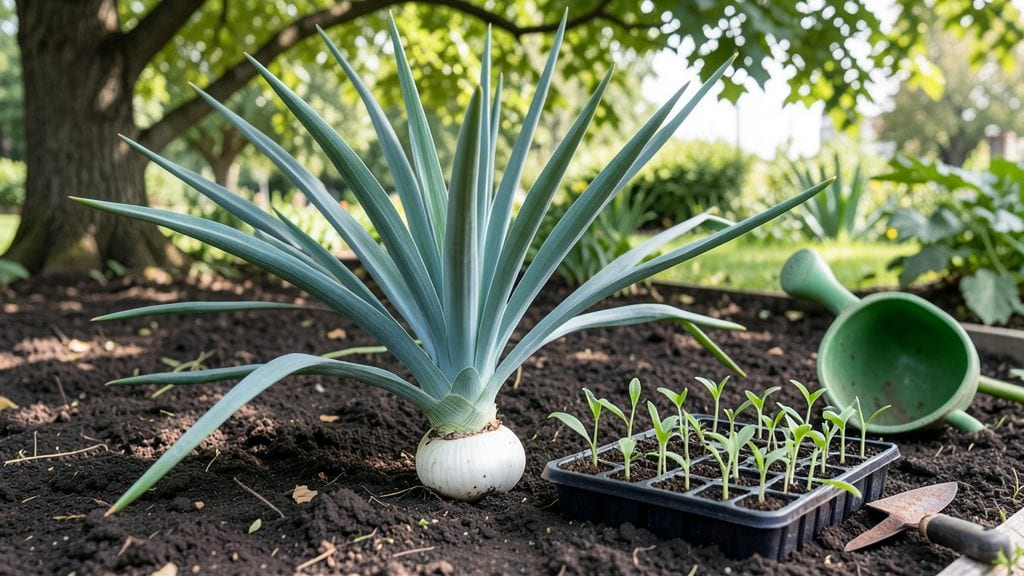
Planting wild leeks transforms shady corners into a sustainable harvest goldmine. 🌿 I’ve spent years perfecting the layered soil method that keeps these forest favorites thriving where store-bought onions fail—moist, rich, and teeming with life even after five years.
The key isn’t just the soil; it’s mimicking their native woodland conditions so they grow like they’re used to.
You’ll need a spot with dappled shade (morning sun, afternoon shade works best), soil that drains like a forest floor—not sandy, not clay—and a way to keep it consistently moist without waterlogging. Wild leeks spread slowly, so give them 12–18 inches between plants when dividing clumps.
The real magic happens in the soil prep: mix in composted leaves and a handful of wood ash for that wild, mineral-rich flavor they crave.
By late spring, you’ll see the first lance-shaped leaves pushing through, and within a year, you’ll have a patch that regenerates itself. The flavor? Richer than garlic, milder than onion, with a hint of earthiness that makes every spring harvest feel like a forest feast.
And because they’re perennials, you’ll get harvests for decades with minimal effort.
Works best in USDA Zones 3–8, but even in warmer climates, they’ll thrive if you keep the roots cool. The secret? Treat them like the forest understory plants they are—moist, shaded, and left alone. Ready to turn your shady patch into a wild leek paradise?
📚 In This Guide
- What you need
- Instructions
- Tips and common mistakes
- Wrapping up and next steps
What you need
- ● Wild leek bulbs or seeds: 10–20 bulbs (for immediate harvest) or 1–2 packets of seeds (for slower but self-sustaining growth). Opt for organic, locally sourced varieties when possible!
- ● Garden soil: Well-draining, slightly acidic soil (pH 6.0–7.0). Mix in 2–3 inches of compost or aged manure to enrich nutrients.
- ● Shovel or trowel: A sturdy garden trowel (6–8 inches) for precise planting or a broadfork for loosening heavy soil.
- ● Watering can or hose: A spray nozzle attachment helps avoid disturbing young plants.
- ○ Mulch (optional but recommended): Straw, wood chips, or leaf litter (2–3 inches thick) to retain moisture and suppress weeds.
- ● Soil test kit: Ensures your pH and nutrient levels are perfect for wild leeks.
- ● Row covers or netting: Protects young plants from pests like deer or rabbits.
- ● Organic fertilizer: A balanced 10-10-10 or fish emulsion boosts growth during the first growing season.
- ● Plant markers: Label your wild leek patch to avoid confusion with other greens!
How to plant wild leeks for a perennial, low-maintenance harvest
This is how I transform wild leeks into a thriving, self-sustaining garden staple that multiplies yearly.
🌱 Step 1: Prepare the Soil with a Living Mulch Layer
Wild leeks thrive in moist, well-drained soil with organic matter—think of it as a forest floor understory. Start by clearing the planting area of weeds and rocks, then loosen the top 6 inches of soil with a garden fork. I like to add a 2-inch layer of compost mixed into the topsoil to encourage mycorrhizal fungi, which wild leeks rely on for nutrient uptake.
Here's the thing—wild leeks spread aggressively, so I use a 3-inch layer of straw mulch after planting to suppress weeds and retain moisture. The mulch mimics their natural habitat where leaf litter keeps the soil consistently damp. Water the area thoroughly after mulching to settle everything into place.
🌿 Step 2: Plant Rhizomes or Divide Existing Clumps
Wild leeks grow from rhizomes, so you'll either plant store-bought rhizomes or divide an established clump. Dig a hole 2 inches deep and place the rhizome horizontally with the buds facing upward. Space clumps 12 inches apart in rows 18 inches apart—this gives them room to spread without competing for resources.
If you're dividing an existing plant, gently tease apart the rhizomes with your fingers, ensuring each piece has at least one bud. Plant immediately to prevent drying. Press the soil lightly around the rhizomes but don't compact it—wild leeks need loose soil to establish roots quickly. Water again to help settle the soil and remove air pockets.
💧 Step 3: Maintain Moisture Without Overwatering
Wild leeks despise dry soil but can't tolerate soggy conditions either. Water deeply once a week to encourage deep root growth, aiming for 1 inch of water per week during dry spells. You'll know moisture is right when the soil feels damp 2 inches below the surface—stick your finger in to check.
This is the moment that matters: After the first year, your plants will establish a dense network of roots and rhizomes. From then on, they'll need minimal watering unless your climate is exceptionally dry. The mulch layer you applied earlier will keep soil moisture stable and reduce evaporation.
✂️ Step 4: Harvest and Prune for Long-Term Growth
Harvest wild leeks in early spring or late fall when the leaves are tender and the bulbs are plump. Snip the leaves at the base with clean shears, leaving 4-6 inches of growth to sustain the plant. I avoid harvesting more than one-third of the foliage at a time—this ensures the plant has enough energy to regrow and store nutrients in the rhizomes.
In late summer, cut back any yellowed or damaged leaves to redirect the plant's energy toward rhizome development. Wild leeks will spread naturally over time, so I divide and transplant excess clumps every 3-4 years to keep them vigorous. This also gives you free plants to share with fellow gardeners!
☀️ Step 5: Protect and Encourage Year-Round Growth
Wild leeks prefer partial shade but can tolerate full sun in cooler climates. If your summers are hot, provide afternoon shade to prevent leaf scorch. I've found that a light dappling of shade from nearby trees or a sheer fabric shade cloth keeps them thriving in hotter regions.
Real talk: Wild leeks are hardy perennials, but they'll thank you for a 2-inch layer of fresh mulch each fall. This protects the rhizomes from freezing temperatures and provides a slow-release nutrient boost. With proper care, your patch will multiply yearly, giving you a reliable, low-effort harvest for decades.
Tips & tricks for planting wild leeks
These layered soil secrets will help you cultivate a thriving, self-sustaining wild leek patch that multiplies effortlessly year after year.
Soil Preparation Insight: When loosening the top 6 inches of soil in Step 1, focus on breaking up compacted layers without creating a powdery texture. Wild leeks thrive in soil that mimics their forest floor habitat—aim for a crumbly consistency that holds moisture while allowing drainage. I often add a handful of wood ash to the compost layer (about 1/4 cup per square foot) to raise the soil pH slightly—wild leeks prefer a neutral to slightly alkaline environment around 6.5-7.5. This subtle adjustment prevents nutrient deficiencies that can stunt growth.
Rhizome Planting Technique: The 2-inch planting depth in Step 2 is critical because wild leek rhizomes need to stay shallow enough for quick root establishment but deep enough to avoid drying out. I've found that pressing the soil lightly around the rhizomes creates better contact with the soil particles, which accelerates root development. For an extra boost, I dip the rhizomes in a mycorrhizal fungi inoculant before planting—this helps establish the beneficial soil relationships wild leeks rely on from day one.
Watering Wisdom: The once-weekly watering guideline in Step 3 works perfectly in most climates, but I've learned to adjust based on soil texture. Sandy soils may need watering every 5-6 days, while clay soils can go 10 days between waterings. Always check moisture 2 inches below the surface—this is where the rhizomes will establish their primary root network. A simple soil moisture meter makes this check effortless, and I've found it prevents both underwatering and overwatering pitfalls.
Harvesting Strategy: In Step 4, when harvesting leaves, I always leave at least 6 inches of growth to maintain the plant's energy reserves. This might seem counterintuitive, but wild leeks store nutrients in their rhizomes during the growing season, and these reserves fuel next year's growth. I've noticed that plants I harvest too aggressively in the first year often produce smaller yields in subsequent seasons. Think of it as saving your energy for long-term productivity.
Pro Tips for Planting Wild Leeks
- These layered soil secrets will help you cultivate a thriving, self-sustaining wild leek patch that multiplies effortlessly year after year.
- Soil Preparation Insight: When loosening the top 6 inches of soil in Step 1, focus on breaking up compacted layers without creating a powdery texture.
- Rhizome Planting Technique: The 2-inch planting depth in Step 2 is critical because wild leek rhizomes need to stay shallow enough for quick root establishment but deep enough to avoid drying out.
Frequently asked questions
Got questions about planting wild leeks (also known as ramps)?
Here are some of the most common ones—and the answers you need to grow a thriving patch!
When is the best time to plant wild leeks?
Plant wild leeks in early spring (March–April) or fall (September–October) for the best success. They thrive in cool weather and need time to establish roots before summer heat. Avoid planting in mid-summer—they’ll struggle with drought and poor soil conditions.
Why aren’t my wild leeks growing after transplanting?
Wild leeks are fussy about soil—if yours aren’t sprouting, check for these issues:
- Poor drainage: They hate soggy roots. Amend heavy clay with compost or sand.
- Too much sun: Partial shade (30–50%) mimics their forest habitat.
- Disturbed roots: Handle bulbs gently during transplanting; don’t wash off soil.
Can I grow wild leeks in containers?
Yes! Use a 12–18-inch deep pot with well-draining soil mixed with compost. Plant 3–4 bulbs per container, keeping them in partial shade. Containers dry out faster, so water consistently—especially in summer. Just avoid overcrowding, or you’ll lose harvests!
What’s a good alternative if wild leeks are hard to find?
Try these easy-to-grow substitutes with similar flavor:
- Garlic chives (milder, perennial)
- Wild garlic (similar taste, spreads aggressively)
- Green onions (fast-growing, great for beginners)
- Ramps’ cousin: Allium tricoccum (true wild leek) or Allium ursinum (bear’s garlic)
Are wild leeks invasive? Will they take over my garden?
Wild leeks can spread, but they’re not as aggressive as mint or wild garlic. To control them:
- Plant in containers if space is tight.
- Divide clumps every 2–3 years to prevent overcrowding.
- Avoid over-fertilizing—they prefer lean, wooded soil.
Wrapping up and next steps
Planting wild leeks is a rewarding way to add a nutrient-rich, hardy perennial to your garden—one that thrives with minimal fuss and delivers year-round harvests. By mastering layered soil techniques and understanding their growth habits, you’ll unlock a low-maintenance, high-reward crop that’s perfect for both beginners and seasoned gardeners. 🌱
Ready to dive in? Start by prepping your soil this season, then transplant a few wild leek plants to test the waters. Once you see their resilience in action, expand your patch and enjoy the fresh, garlicky flavor straight from your backyard!