
Companion Plants
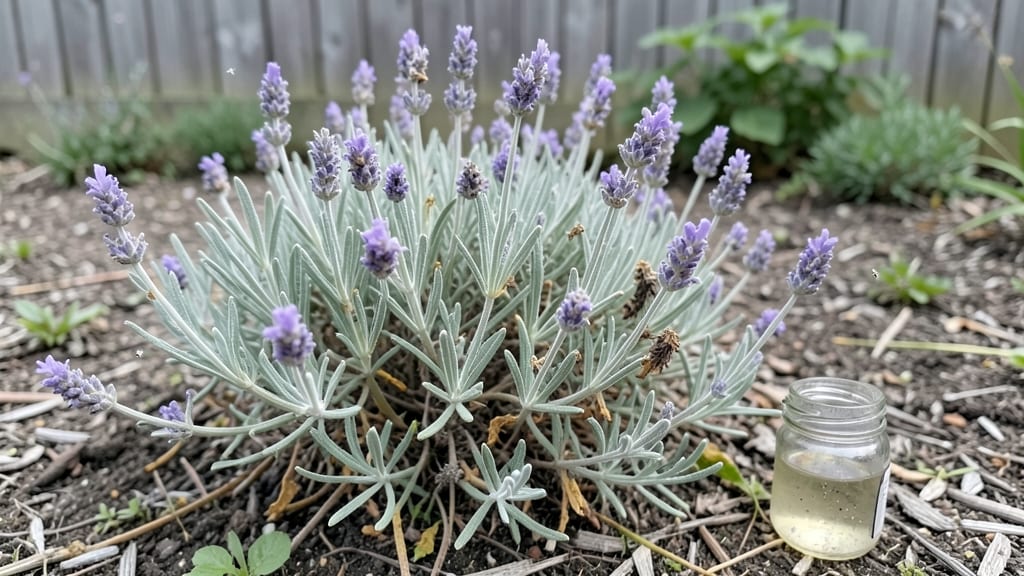
Flies hate these plants more than they hate anything else in your garden. 🌿 I learned this the hard way after my summer patio became a buzzing nightmare—until I planted a few key species that sent those pests packing.
The secret lies in their natural chemistry: strong scents, toxic compounds, and textures that flies instinctively avoid. No more swatting or chemical sprays—just let the plants do the work while you enjoy your outdoor space.
Basil, marigolds, lavender, and mint top the list because flies can’t stand their fragrances. Basil’s anise-like scent disrupts flies’ ability to locate food, while marigolds release a compound that repels them entirely. Plant these near seating areas, entryways, or vegetable beds where flies are most persistent.
Even a small pot of lavender on your windowsill can make a difference—its citrusy aroma is like a neon "keep out" sign for flies. The best part? These plants also attract pollinators, so you’re not just fighting pests but supporting your garden’s health.
You’ll notice the difference within days: fewer flies hovering, less buzzing, and a noticeable shift in your garden’s energy. The plants themselves thrive with minimal effort—just keep them well-watered and pruned. For extra protection, add a fan near seating areas; flies hate moving air.
This isn’t just about repelling flies—it’s about reclaiming your outdoor space without harsh chemicals. Once you see the results, you’ll wonder why you didn’t try this sooner.
Works in containers, in-ground beds, or even hanging baskets, making it adaptable to any garden size. The key is placement: strategically position these plants where flies are most active, and you’ll create a natural barrier that keeps them away all season. No more swatting—just enjoy the peace.
📚 In This Guide
- What you need
- Instructions
- Tips and common mistakes
- Wrapping up and next steps
What you need
- ● Plants flies hate (pick 3–5 for optimal results): Basil (Ocimum basilicum) – 3–5 medium plants
- ● Lavender (Lavandula) – 2–3 mature bushes (or 10–15 cuttings)
- ● Mint (Mentha) – 1–2 pots (use containers to contain its spread!)
- ● Marigolds (Tagetes) – 5–7 plants (French or Mexican varieties work best)
- ● Rosemary (Rosmarinus officinalis) – 2–3 upright plants
- ● Citronella grass (Cymbopogon nardus) – 1–2 plants (or 5–6 cuttings)
- ● Potting soil: 2–3 bags (sterilized, well-draining mix for containers)
- ● Containers or garden beds: For containers: 5–7 pots (6–8" diameter) with drainage holes
- ● For in-ground planting: 1–2 sunny spots (6+ hours of sunlight daily)
- ● Watering can or hose: 1 (with a gentle spray nozzle for seedlings)
- ● Organic fertilizer: 1 small bag (balanced 10-10-10 or compost tea)
- ● Hand trowel – for transplanting delicate plants
- ● Pruning shears – to trim overgrowth and encourage bushiness
- ● Gloves – to protect your hands from mint’s aggressive spread or lavender’s tiny stems
- ● Mulch (straw or wood chips) – to retain moisture and suppress weeds
- ● Spray bottle – for misting seedlings (especially basil and mint)
- ● Sunny location – Most fly-repelling plants thrive in full sun (6+ hours/day).
- ● Well-draining soil – Avoid soggy roots (amend clay soil with perlite or sand if needed).
- ● Patience – Some plants (like lavender) take 1–2 months to reach full pest-repelling power.
- ● Consistency – Water plants 1–2 times weekly (adjust for climate).
How to use pest-repelling plants to keep flies away
Here's how I transform problem areas into fly-free zones using nature's own bug deterrents.
🌱 Step 1: Select the Right Fly-Repelling Plants
Start with these proven fly deterrents that work best in most climates: basil, lavender, marigolds, mint, and citrus plants. Basil and mint are especially effective against house flies and fruit flies—they contain compounds that mask scents flies use to locate food. Lavender's strong fragrance confuses flies' navigation systems.
For outdoor spaces, plant marigolds near seating areas—their scent disrupts flies' ability to land. Citrus plants like lemon verbena work wonders near garbage bins or compost piles. I always plant at least 4 plants in strategic locations: one near the kitchen, one by the trash, one by the door, and one in a shaded corner where flies tend to linger.
🪴 Step 2: Plant Strategically Around Problem Areas
Position your fly-repelling plants within 3-5 feet of fly hotspots like trash cans, compost piles, or outdoor dining areas. Flies have a short range, so you need to create a scent barrier they can't penetrate. For indoor spaces, place potted basil near windows or doorways where flies enter.
If you're using containers, place them on elevated surfaces like tables or window sills—flies avoid strong scents when they're at eye level. I keep my mint in hanging baskets near the back door; the scent drifts downward just where flies would approach. For garden beds, interplant marigolds with vegetables to create a natural protective perimeter.
☀️ Step 3: Maintain Plants for Maximum Effectiveness
Healthy plants produce stronger scents, so keep them well-watered but not soggy—water when the top inch of soil feels dry. Overwatering dilutes the essential oils that repel flies. I water my basil and mint in the morning so the leaves have time to dry and release their full fragrance during the day.
Regular pruning encourages bushier growth and more scent production. Pinch back leggy stems and remove any flowers that appear on basil or mint—their energy goes into foliage growth rather than seed production. For citrus plants, a light trim after flowering keeps the scent concentrated in the leaves.
💧 Step 4: Combine with Companion Planting for Extra Protection
Boost effectiveness by pairing fly-repelling plants with others that flies naturally avoid. For example, plant garlic, onions, or chives near your basil—their strong odor creates a double barrier. In vegetable gardens, surround tomatoes with marigolds and basil to keep fruit flies away from ripening fruit.
For indoor spaces, place a small dish of apple cider vinegar near your plants—flies are attracted to it but get trapped while the plants' scents keep them from escaping. I refresh the vinegar every 3-4 days to maintain its lure while the surrounding plants keep new flies at bay.
⏰ Step 5: Time Your Planting for Peak Fly Seasons
Plant your fly-repelling garden in early spring, about 4-6 weeks before your typical fly season starts. Most flies become active when temperatures reach 65°F or higher, so having established plants ready ensures immediate protection. In warmer climates, you can plant throughout the year.
For winter protection, bring potted plants indoors before the first frost. Basil, mint, and citrus plants thrive indoors near sunny windows, continuing to repel flies even in cooler months. I keep my indoor plants in a south-facing window where they get at least 4-6 hours of sunlight daily—this maintains their scent production and effectiveness.
Tips & tricks for creating an effective fly-repelling garden
These natural strategies will help you maximize your pest-repelling plants' effectiveness without needing harsh chemicals.
Location Strategy: In Step 2, when placing your plants within 3-5 feet of fly hotspots, focus on creating a scent corridor rather than scattered placement. Position your basil and mint near doorways and windows where flies enter, while marigolds and lavender work best near seating areas or trash bins. I've found that placing citrus plants like lemon verbena near compost piles creates a powerful scent barrier that flies instinctively avoid. The key is to create overlapping scent zones rather than isolated plant clusters.
Plant Pairing Power: When combining plants in Step 4, the real magic happens when you layer scents. For example, pair basil with garlic or onions - the combination creates a scent so strong it masks all food odors that attract flies. I've noticed that adding apple cider vinegar traps near these plant combinations works exceptionally well because the flies get distracted by the vinegar while the surrounding plants prevent escape. Just remember to refresh the vinegar every 3-4 days to maintain its effectiveness.
Seasonal Timing Tip: The 4-6 week planting window mentioned in Step 5 is crucial for establishing strong plants before fly season hits. In cooler climates, start your basil and mint indoors about 8-10 weeks before your last frost date, then transplant them outside after temperatures consistently reach 65°F. This head start gives them time to develop strong root systems and robust scent production before flies become active. For citrus plants, which are more cold-sensitive, bring them indoors before any frost and place them in a south-facing window for maximum sunlight exposure.
Maintenance Secret: In Step 3, the watering tip about keeping soil slightly dry is essential, but here's what nobody tells you - the best time to water is actually in the early morning. This allows the leaves to dry completely before evening, which maximizes the essential oil production that repels flies. I've also found that a light misting of the leaves with water in the morning can actually enhance their scent, making them even more effective at keeping flies away. Just be sure to avoid watering the leaves in the evening to prevent fungal growth.
Pro Tips for Plants Flies Hate
- These natural strategies will help you maximize your pest-repelling plants' effectiveness without needing harsh chemicals.
- Location Strategy: In Step 2, when placing your plants within 3-5 feet of fly hotspots, focus on creating a scent corridor rather than scattered placement.
- Plant Pairing Power: When combining plants in Step 4, the real magic happens when you layer scents.
Frequently asked questions
Got questions about using plants to keep flies away?
You’re not alone! Here are some of the most common queries—plus straightforward answers to help you make the best choices for your garden.
Which plants are the most effective at repelling flies?
Top contenders include basil, mint, lavender, marigolds, and lemongrass. These plants emit strong scents that flies despise—especially basil, which works well near kitchen areas or outdoor dining spots. For a full garden defense, mix a few of these into flower beds or containers near fly-prone zones.
How long does it take for these plants to start working?
Most fly-repelling plants begin deterring pests within 2–4 weeks of planting, once they’re established and actively growing. Mint and basil may show quicker results (1–2 weeks) because their strong aromas develop faster. For best results, plant them in early spring or late summer when flies are most active.
Can I use these plants indoors to keep flies out?
Place potted basil, mint, or lavender near windows, doors, or outdoor patios to create a natural barrier. For kitchens, a small basil or lemongrass plant on the counter can help deter fruit flies. Just ensure pots have drainage to avoid mold—flies love damp, stagnant areas too!
What if flies still bother me after planting these?
If flies persist, try these troubleshooting steps:
- Increase plant density: Cluster a few repellent plants together for a stronger scent.
- Rotate varieties: Swap in rosemary, thyme, or catnip for variety.
- Combine with other methods: Use fly traps, fans (flies hate moving air), or citrus peels near plants.
- Check for hidden breeding sites: Overripe fruit, standing water, or compost piles can attract flies—clean up these hotspots too!
Are there any plants flies love that I should avoid?
Yes! Flies are drawn to rotting organic matter, so avoid overwatering plants like hostas, ferns, or damp soil-heavy gardens. Also, fruit trees (especially overripe produce) and compost piles can attract flies. Keep these areas tidy and pair them with repellent plants to balance the ecosystem.
Wrapping up and next steps
Discovering the plants flies hate is like unlocking nature’s secret weapon for a pest-free garden! 🌱 From marigolds to basil, these botanical allies don’t just look stunning—they actively repel those pesky invaders while boosting your garden’s health.
The best part? No harsh chemicals needed—just strategic planting and a little green thumb magic.
Ready to transform your garden into a fly-free paradise? Start small—pick one or two of these powerhouse plants and observe the difference. Over time, expand your defenses with companion planting, and watch your garden thrive naturally and beautifully. Happy gardening! 🌿✨