
Fertilization
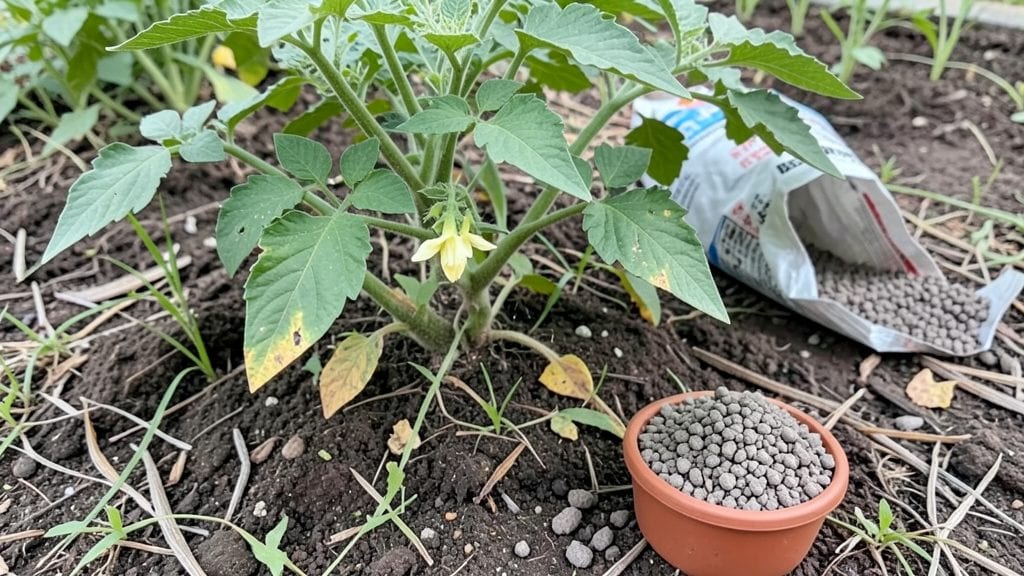
Potassium-rich plant food isn't just a fancy term—it's the secret weapon behind strong stems, vibrant blooms, and disease-resistant plants. 🌱 I learned this the hard way when my tomatoes kept snapping at the first wind and my roses wilted under the weight of their own flowers.
Potassium helps plants move water, nutrients, and sugars where they need to go, keeping everything sturdy and productive.
The good news? You don’t need a chemistry degree to use it. Start with simple sources like banana peels (bury them near plants), wood ash (sprinkle lightly around the base), or commercial fertilizers labeled with a high middle number (like 5-10-10).
Even compost tea packs a potassium punch if you steep it right. The key is consistency—apply it every 4-6 weeks during growing season, and watch your plants transform from floppy to fortress-like.
You’ll notice the difference fast: fewer dropped blossoms, deeper green leaves, and plants that bounce back from heat waves and pests. My zucchini vines now grow thick enough to walk on, and my peonies stand tall instead of flopping.
The best part? Potassium works across vegetables, flowers, and ornamentals—no matter what you grow, this nutrient keeps things thriving.
Here’s the thing—too much potassium can burn roots, so always follow package rates. And if your plants show yellowing edges or weak stems, that’s your cue to boost their potassium game. Let’s get those roots strong and your garden unstoppable!
📚 In This Guide
- What you need
- Instructions
- Tips and common mistakes
- Wrapping up and next steps
What you need
- ● Potassium sources (pick 1-2): Banana peels (dried or fresh) – about 5-10 peels per plant
- ● Wood ash – ½ to 1 cup per application
- ● Potassium sulfate (commercial fertilizer) – 1 tbsp per gallon of water
- ● Epsom salt (magnesium + potassium) – 1 tbsp per gallon of water
- ● Greensand (natural mineral) – ½ cup per 10 sq ft of soil
- ● Watering can or spray bottle – For diluting liquid fertilizers
- ● Garden gloves – To protect your hands while handling ash or peels
- ○ pH testing kit (optional but helpful) – Ensures soil is in the ideal range (6.0–7.0) for potassium absorption
- ● Garden trowel or fork – For mixing potassium sources into soil
- ● Compost bin or bucket – If using banana peels or wood ash as compost
- ● Measuring cups/spoons – For precise potassium application
- ○ Labeling tags (optional) – To mark pots or garden beds with fertilizer dates
How to apply potassium-rich plant food for stronger growth
Potassium strengthens stems, improves disease resistance, and boosts fruit production—here’s how to use it properly.
🌱 Step 1: Identify Potassium-Deficient Plants
Look for yellowing leaf edges, weak stems, or poor flowering as signs your plants need potassium. Tomatoes, peppers, and roses respond dramatically to potassium-rich feeds. I test soil first with a simple pH kit—potassium works best in slightly acidic to neutral soil (pH 6.0-7.0). If your soil tests low, organic sources like wood ash (½ cup per plant) or banana peels (composted) are great starters.
Don’t guess—check leaf patterns. Yellowing between veins (not just edges) often signals potassium deficiency. Once confirmed, choose your potassium source: liquid fertilizers for quick uptake or granular for slow release. I prefer liquid seaweed extract for immediate results during flowering.
💧 Step 2: Apply Liquid Potassium Fertilizer
Mix 1 tablespoon of liquid potassium fertilizer (like kelp extract or potassium sulfate) into 1 gallon of water. Apply this solution to the soil at the plant’s base—not the leaves—when the top 2 inches of soil feel dry. Overhead spraying can burn foliage, so I use a watering can with a narrow spout for precision.
Water deeply first to help the fertilizer penetrate roots. Repeat every 2-3 weeks during active growth (spring through fall). Watch for stronger stems and deeper green leaves within 10-14 days. If you notice leaf scorch or crisp edges, you’ve overdone it—cut back to every 4 weeks and reduce the dose by half.
☀️ Step 3: Use Granular Potassium for Slow Release
Sprinkle ½ cup of granular potassium sulfate (or greensand) around the drip line of mature plants. Work it into the top 1-2 inches of soil with a hand fork. This method feeds roots steadily over 6-8 weeks, perfect for perennials like roses or fruit trees. Water thoroughly after application to activate the granules.
For container plants, reduce the dose to 1 teaspoon per 5-gallon pot. I always apply granular potassium in early spring before new growth begins. Avoid applying near the plant’s stem—keep it 3-4 inches away to prevent root burn.
✂️ Step 4: Boost Potassium with Organic Amendments
Composted banana peels (¼ cup per plant) or wood ash (¼ cup) are free, potassium-rich options. Bury them 2 inches deep near roots and water well. These work best in well-draining soil—never use wood ash on acid-loving plants like blueberries or azaleas.
For a quick boost, blend 1 cup of liquid from soaked banana peels (steep peels in water for 24 hours) and use as a foliar spray. Test a few leaves first—some plants (like ferns) may react poorly to high potassium on foliage. I reserve this method for vegetables like tomatoes and peppers.
⏰ Step 5: Monitor and Adjust Timing
Apply potassium-rich feeds early morning or late afternoon to prevent leaf burn from evaporation. Stop fertilizing 6 weeks before harvest for edible plants—excess potassium can alter flavor. I always pause potassium applications in late summer to let plants harden off for winter.
Watch for overgrowth (too much potassium) or weak stems (not enough). Adjust frequency based on plant response: weekly for heavy feeders (tomatoes), monthly for light users (herbs). Keep records—note which sources work best for your soil type.
Tips & tricks for perfect potassium-rich plant food application
These practical tips will help you maximize your plants' growth and avoid common mistakes when using potassium-rich fertilizers.
Soil pH is Key: Before applying any potassium source, test your soil's pH—potassium works best in slightly acidic to neutral soil (pH 6.0-7.0). I always use a simple pH kit from the garden center. If your soil is too acidic or alkaline, potassium uptake will be inefficient, no matter how much you apply. For acid-loving plants like blueberries, use potassium sources that won't raise pH further.
Timing Secret for Liquid Fertilizers: The 2-3 week application schedule in Step 2 works perfectly for most plants, but timing matters. Apply liquid potassium fertilizers when the top 2 inches of soil feel dry—this ensures the roots are ready to absorb the nutrients. I set a reminder on my phone for every 21 days during growing season to maintain consistency. For container plants, you might need to apply more frequently since they dry out faster.
Organic Amendments Need Proper Preparation: That 24-hour soaking time for banana peels in Step 4 isn't just a suggestion—it's crucial. The longer you steep, the more potassium leaches out. I like to use a blender to break down the soaked peels into a fine liquid, which makes it easier to apply through a watering can. For wood ash, always use it sparingly—just ¼ cup per plant—and never on acid-loving plants like azaleas or rhododendrons.
Visual Cues for Overapplication: Watch for these signs you've overdone it: crisp leaf edges, yellowing between veins (not just edges), or sudden leaf drop. If you notice these after applying liquid potassium, immediately reduce to every 4 weeks and cut the dose by half. The plants should show improvement within 2-3 weeks if you adjust properly. For granular applications, keep it 3-4 inches away from stems to prevent root burn.
Pro Tips for Potassium Plant Food
- These practical tips will help you maximize your plants' growth and avoid common mistakes when using potassium-rich fertilizers.
- Soil pH is Key: Before applying any potassium source, test your soil's pH—potassium works best in slightly acidic to neutral soil (pH 6.0-7.0).
- Timing Secret for Liquid Fertilizers: The 2-3 week application schedule in Step 2 works perfectly for most plants, but timing matters.
Frequently asked questions
How often should I apply potassium plant food?
For most plants, apply potassium-rich fertilizers every 4-6 weeks during the growing season (spring to fall). Heavy feeders like tomatoes or peppers may need it bi-weekly. Always follow the product’s label for exact timing—overdoing it can harm roots!
What are the signs my plants need more potassium?
Watch for yellowing leaf edges, weak stems, or poor fruit development. Potassium deficiency often causes marginal leaf scorch (brown tips) or stunted growth. Test soil first—if levels are low (<100 ppm), a potassium boost (like banana peel tea or Epsom salt) can help!
Are there cheap DIY alternatives to store-bought potassium plant food?
Try these budget-friendly swaps:
- Banana peels: Chop and steep in water for 24 hours (rich in potassium!).
- Wood ash: Sprinkle lightly around plants (test soil pH first—it raises alkalinity).
- Epsom salt: Mix 1 tbsp per gallon of water (also adds magnesium).
Can I use potassium plant food in winter?
Winter is not the time for potassium-heavy feeding—most plants are dormant. Instead, focus on organic matter (compost) to prep soil for spring. If growing cold-hardy crops (like kale), a light potassium supplement (50% of summer dose) can support resilience.
What if I over-apply potassium plant food?
Too much potassium can lock out other nutrients (like calcium or magnesium), causing blossom end rot in tomatoes or yellowing between leaf veins. Flush soil with water, reduce applications, and balance with a complete fertilizer (like 10-10-10). Always follow label rates!
Wrapping up and next steps
Potassium isn’t just a buzzword—it’s the secret weapon your plants need to thrive! 🌱 From bananas to wood ash, these easy-to-find sources pack a punch for stronger stems, vibrant blooms, and disease resistance.
Whether you’re a seasoned gardener or just starting, integrating potassium-rich plant food into your routine is a game-changer.
Ready to watch your garden flourish? Start small—pick one or two sources from our list, experiment with homemade fertilizers, and monitor the magic! 🌟 Next up: Test soil levels, adjust your feeding schedule, and enjoy the rewards of a healthier, happier green space.