
Planting
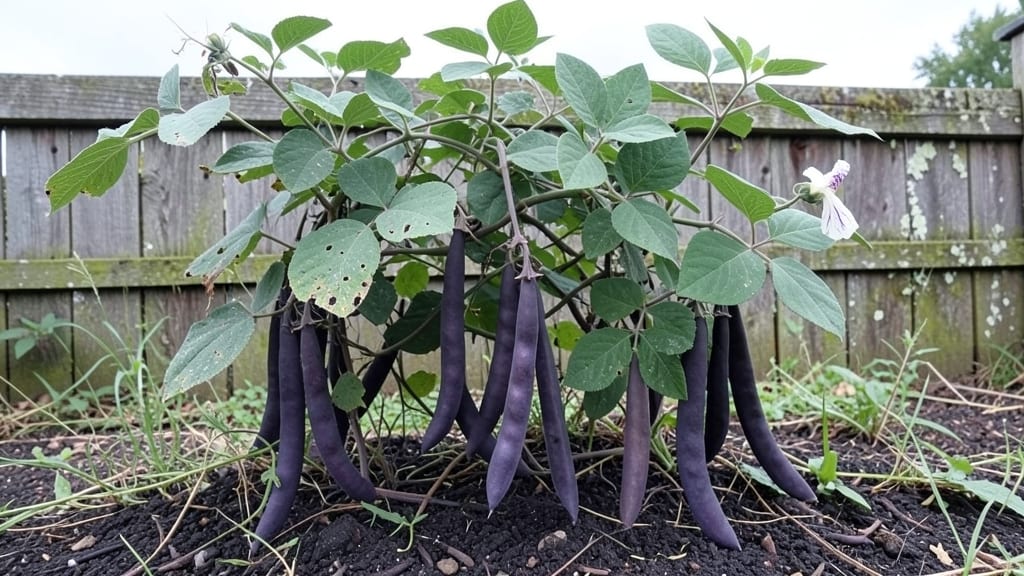
Growing a purple bean plant that produces all year means mastering three simple trims that keep it bushy and productive. I learned this the hard way after my first plant turned into a leggy, sparse mess—until I discovered the secret to continuous harvests.
The key isn’t just soil or water; it’s knowing when and how to prune for new growth every few months.
You’ll need well-draining soil, at least 6 hours of sun daily, and a sturdy trellis to support those heavy pods. Purple varieties like ‘Purple King’ thrive in 55-75°F temperatures, so if you’re in a cooler zone, start seeds indoors 8-10 weeks before last frost.
The real magic happens when you snip back the main stem after the first flush of beans—this forces the plant to branch out and produce three harvest cycles instead of one.
By mid-summer, you’ll be plucking deep purple pods that turn a stunning green when cooked, with a flavor that’s sweeter than most green beans. The plant stays compact, resists flopping, and keeps producing as long as you keep it trimmed.
Even in winter, with a grow light and warm windowsill, you can coax a few more harvests from a well-cared-for purple bean.
This method works for containers too—just use a 5-gallon pot with drainage holes. The only downside? You’ll need to watch for Mexican bean beetles, which love purple beans. But with regular pruning, you’ll outpace pests and enjoy a harvest that lasts months longer than store-bought.
📚 In This Guide
- What you need
- Instructions
- Tips and common mistakes
- Wrapping up and next steps
What you need
- ● Purple Bean Seeds: 10–20 seeds (depending on desired yield). Choose heirloom varieties like Purple Valentine or Purple King for vibrant color and flavor.
- ● Well-Draining Soil: 1–2 bags of organic potting mix or garden soil amended with compost (aim for a pH of 6.0–7.0).
- ● Containers or Garden Space: Containers: 5–10 gallon pots (with drainage holes) per plant, or a raised bed at least 12 inches deep.
- ● Garden Plot: Full sun (6+ hours daily) and loose, fertile soil. Space plants 4–6 inches apart in rows 18–24 inches apart.
- ● Fertilizer: Balanced organic fertilizer (e.g., 10-10-10) or compost tea to boost growth during flowering.
- ● Watering Can or Hose: With a gentle spray nozzle to avoid disturbing soil.
- ○ Trellis or Stakes: 4–6 foot tall stakes or a trellis system (optional but recommended for climbing varieties).
- ● Garden Gloves: To protect your hands while handling soil or seeds.
- ● Pruning Shears: Sharp, clean shears for trimming and harvesting.
- ● Mulch: Straw or shredded leaves to retain moisture and suppress weeds.
- ● Plant Markers: Small sticks or labels to track varieties (helpful if growing multiple types).
- ● Insect Net or Neem Oil: For organic pest control (e.g., aphids or bean beetles).
- ● Grow Lights (Indoor): LED lights with full-spectrum bulbs if growing indoors (12–16 hours/day).
Step-by-Step instructions for growing a thriving purple bean plant
Here’s how to cultivate a productive purple bean plant that keeps yielding through multiple harvests.
Choose the Right Location and Prepare the Soil
Purple beans need a spot with full sun—at least 6-8 hours daily—to produce their best harvest. I always pick a location where the soil drains well, as soggy roots lead to weak plants. Before planting, loosen the top 12 inches of soil with a garden fork to help roots spread easily. Purple beans thrive in slightly acidic to neutral soil, so if your soil is heavy clay, mix in 2-3 inches of compost to improve texture and fertility.
Work the compost into the top layer of soil, breaking up any clumps. This ensures the roots have plenty of room to grow without competing for nutrients. If you’re planting in containers, use a well-draining potting mix and ensure the pot has drainage holes to prevent waterlogging.
Plant Seeds at the Correct Depth and Spacing
Sow seeds 1 inch deep and 3-4 inches apart in rows that are 18-24 inches apart. Planting too deep slows germination, while spacing them too close leads to crowded plants that struggle for sunlight. I like to plant 4-5 seeds per spot and thin to the strongest seedlings once they’re 3-4 inches tall. This gives you a head start on yield without overcrowding.
Water the soil lightly after planting to settle the seeds in place. Keep the soil consistently moist—not soggy—until the seeds germinate, which usually takes 7-14 days depending on temperature. If you’re in a cooler climate, consider starting seeds indoors 4-6 weeks before the last frost and transplanting once the soil warms to at least 60°F.
Provide Consistent Water and Support for Growth
Once seedlings emerge, water 1 inch per week, splitting it between 2-3 shorter waterings to encourage deep root growth. Purple beans are drought-tolerant once established, but they need steady moisture during flowering and pod development. I water at the base of the plant in the morning to reduce evaporation and fungal risks.
As the plants grow, install trellises or sturdy stakes to support their vines. Purple beans climb naturally, and providing support keeps pods off the ground, reducing rot and pests. Train the vines gently as they grow, weaving them through the trellis or tying them loosely to stakes. Avoid tight bindings, which can damage the stems.
Fertilize and Prune for Continuous Harvests
Feed the plants with a balanced, organic fertilizer (like 10-10-10) when they’re 4-6 weeks old, then again when flowers appear. Too much nitrogen leads to leafy growth at the expense of pods, so I use half the recommended dose. Instead of heavy feeding, I side-dress with 1-2 inches of compost mid-season to keep nutrients steady.
To encourage year-round harvests, trim the plant 3 times a year: after the first flush of pods, when growth slows in late summer, and again in early spring if you’re in a warm climate. Cut back one-third of the plant each time, focusing on older growth. This pruning stimulates new shoots and keeps the plant productive. Always use clean, sharp pruners to avoid spreading disease.
Harvest and Maintain for Long-Term Productivity
Harvest pods when they’re 4-6 inches long and firm to the touch. Regular harvesting encourages more production, so I check the plants every 2-3 days during peak season. Use pruning shears or your fingers to snap pods cleanly from the vine. Avoid pulling, which can damage the plant.
After the main harvest season, reduce watering slightly and stop fertilizing to let the plant rest. In colder climates, mulch the base with 2-3 inches of straw to protect roots from frost. If you’re in a warm region, you can extend the season by providing light shade in the hottest months. With proper care, a single purple bean plant can yield pounds of beans over multiple seasons.
Tips & tricks for growing a thriving purple bean plant
These simple strategies will help you maximize your purple bean harvest and avoid common gardening pitfalls.
Soil Preparation Tip: In Step 1, when loosening the top 12 inches of soil, don't just scratch the surface—break up any compacted layers with your garden fork. Purple beans develop extensive root systems, and well-aerated soil prevents root binding. If your soil is particularly dense, consider adding an extra inch of compost to the top layer for even better drainage. The goal is to create a loose, crumbly texture that encourages root growth downward rather than spreading horizontally.
Germination Strategy: The 7-14 day germination window can feel like an eternity, but there are ways to speed things up. After planting your seeds 1 inch deep, place a clear plastic dome or row cover over the area to create a mini greenhouse effect. This traps warmth and moisture, which can cut germination time by 3-5 days. Just remember to remove the cover once seedlings emerge to prevent overheating. I've found this especially helpful in cooler climates where the soil warms more slowly.
Watering Technique: When you're following the 1 inch per week watering guideline in Step 3, focus on watering deeply rather than frequently. Use your finger to check moisture—if the top 2 inches of soil feel dry, it's time to water. Watering at the base of the plant (not overhead) prevents fungal diseases that can develop on the leaves. I've noticed that morning watering is particularly effective because it gives the soil time to dry slightly during the day, reducing the risk of root rot.
Pruning Insight: The three annual trims mentioned in Step 4 are your secret weapon for continuous harvests. When you cut back one-third of the plant each time, always make your cuts just above a leaf node where new growth will emerge. This encourages bushier growth rather than leggy stems. I like to use clean, sharp pruners and make cuts at a 45-degree angle to prevent water from pooling on the cut surface, which could lead to infection.
Pro Tips for Purple Bean Plant
- These simple strategies will help you maximize your purple bean harvest and avoid common gardening pitfalls.
- Soil Preparation Tip: In Step 1, when loosening the top 12 inches of soil, don't just scratch the surface—break up any compacted layers with your garden fork.
- Germination Strategy: The 7-14 day germination window can feel like an eternity, but there are ways to speed things up.
Frequently asked questions
Got questions about growing and maintaining your purple bean plant?
You’re not alone! Here are answers to the most common queries to help you keep your plant thriving and productive year-round.
How often should I harvest purple beans to encourage more growth?
Harvest your purple beans every 2–3 days once pods appear. Regular trimming (as described in the 3-key trims method) signals the plant to produce more flowers and pods. Skip harvesting for too long, and you’ll risk overripe, tough beans—or even stunted growth!
When is the best time to trim my purple bean plant for maximum yield?
The ideal timing is early morning after dew has dried but before the sun peaks. Trim young pods (1–2 inches long) to boost production, and prune leggy branches in spring or late summer to redirect energy. Avoid heavy trimming during flowering unless necessary!
Can I grow purple beans indoors, or do they need outdoor conditions?
Purple beans prefer outdoor warmth (60–80°F) and full sun (6+ hours daily), but you can try them indoors near a south-facing window with a grow light. Use a container with drainage, and expect slower growth. For best results, move pots outside in summer!
Why are my purple bean leaves turning yellow? What’s wrong?
Yellow leaves usually mean overwatering, nutrient deficiency, or pests. Check soil moisture—it should stay evenly damp but not soggy. Feed with a balanced fertilizer (10-10-10) every 4–6 weeks. Inspect for aphids or spider mites; treat with neem oil if needed.
Are purple beans as nutritious as green beans, or do they have unique benefits?
Purple beans pack more antioxidants (like anthocyanins) than green beans, thanks to their deep color! They’re also rich in fiber, protein, and vitamin K. Cooking doesn’t destroy nutrients, but steaming or light sautéing preserves the most benefits. Win-win for flavor and health!
Still stumped? Drop your question in the comments—we’re happy to help your purple beans flourish!
Wrapping up and next steps
Growing a purple bean plant is a rewarding journey that brings vibrant color and fresh harvests to your garden all year long! With the right materials, a little patience, and the three key trims we’ve shared, you’ll enjoy a thriving plant that keeps producing.
Now that you’re armed with knowledge, it’s time to roll up your sleeves and get planting—your first purple bean harvest could be just weeks away! 🌱✨
Ready to dive in? Start by gathering your supplies, pick a sunny spot, and follow the steps to nurture your plant. Happy gardening!