
Planting
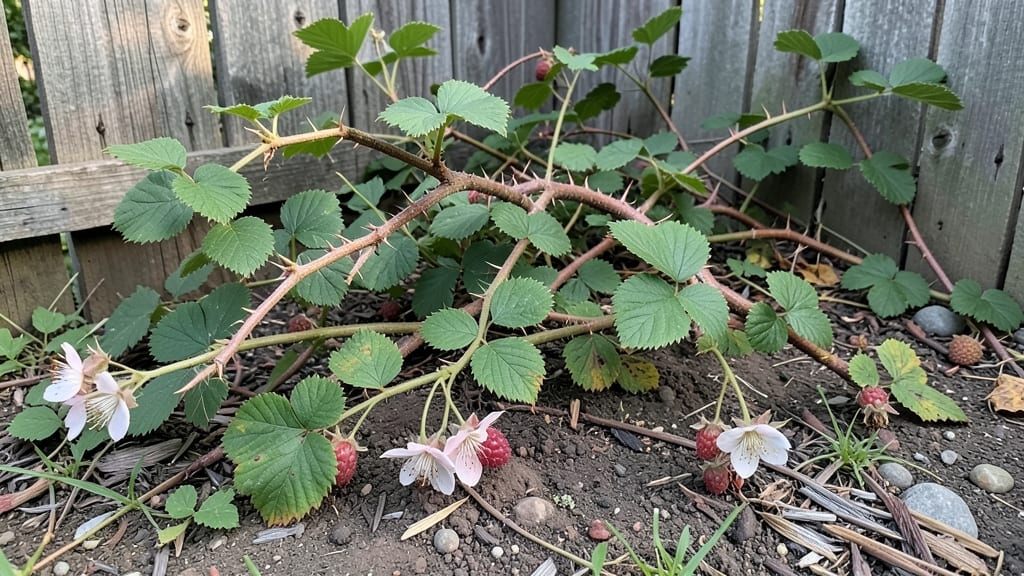
Raspberry plant flowers are the secret to transforming your brambles into a fruit-producing powerhouse—if you know how to coax them into action. 🌸 I’ve watched my own canes go from bare sticks to heavy with berries just by tweaking a few key things: when to prune, how to support pollinators, and what to avoid when those delicate blossoms appear.
The magic starts with healthy canes—last year’s growth produces the best flowers, but you’ve got to prune the old wood in late winter to make room. Then, once those bright yellow blooms show up in spring, protect them from frost and hungry pests.
A quick spray of neem oil keeps aphids off, while inviting bees and butterflies into your garden ensures every flower gets pollinated.
By summer, you’ll be harvesting plump berries that taste like sunshine—if you’ve encouraged the flowers properly. The key is balance: too much nitrogen makes leaves, not fruit; too little water stresses the plant.
I’ve seen canes loaded with blooms turn into barren branches, but once you master the rhythm, your harvests become reliable.
Works for both summer-bearing and everbearing varieties, and the same principles apply whether you’re growing in rows or containers. Let’s get those flowers working for you!
📚 In This Guide
- What you need
- Instructions
- Tips and common mistakes
- Wrapping up and next steps
What you need
- ● Raspberry canes: 3–5 healthy, disease-free bare-root or potted canes (choose red, black, or purple varieties based on your preference).
- ● Well-draining soil: 10–15 cubic feet of loamy, slightly acidic soil (pH 5.5–6.5), amended with compost or aged manure.
- ● Organic fertilizer: 5–10 lbs of balanced 10-10-10 or raspberry-specific fertilizer (follow package instructions).
- ● Mulch: 2–3 inches of straw, wood chips, or pine needles to retain moisture and suppress weeds.
- ● Watering supplies: Garden hose with a soaker nozzle or drip irrigation system (for consistent moisture).
- ● Pruning tools: Bypass pruners (clean and sharp) and loppers for larger canes.
- ● Support system: T-posts, wire trellis, or strong stakes (4–6 feet tall) to train canes vertically.
- ● Gloves: Heavy-duty gardening gloves to protect hands from thorns.
- ○ pH testing kit: To verify soil acidity (optional but helpful for troubleshooting).
- ● Pollinator attractants: Native wildflowers or bee-friendly plants (e.g., lavender, borage) planted nearby to boost flower visits.
- ● Row cover: Lightweight fabric to protect flowers from late frosts (if in a cold climate).
- ● Organic pest control: Neem oil or insecticidal soap (for aphids/spider mites, if needed).
Step-by-Step guide to encouraging raspberry plant flowers
Here's how to coax abundant raspberry blooms for a bountiful harvest.
🌱 Step 1: Prune for Optimal Airflow and Light
Start in late winter or early spring by removing all dead or weak canes—these sap-suckers drain energy from your plant. I cut them back to the ground using clean, sharp pruners. The goal is to leave only the healthiest canes, about 5-7 per plant, since raspberries produce fruit on second-year canes.
Next, thin out any crowded canes in the center of the plant. You want 6-8 inches of space between canes so air circulates freely. This prevents fungal diseases like botrytis, which can rot your flowers before they even open. Watch for canes leaning against each other—separate them gently to avoid damaging the bark.
☀️ Step 2: Provide Full Sun and Balanced Fertilizer
Raspberries need 6-8 hours of direct sun daily to set flowers. If your plants are in partial shade, move them to a sunnier spot or prune nearby trees/shrubs to increase light exposure. I've seen raspberries in dappled shade produce flowers, but the fruit is always smaller and less sweet.
Feed your plants in early spring with a balanced, slow-release fertilizer (like 10-10-10) applied at the base. Use about ½ cup per plant and water it in well. Avoid high-nitrogen fertilizers—they encourage leafy growth at the expense of flowers. You'll know you've got the right balance when you see new canes emerging with flower buds forming at the tips.
💧 Step 3: Water Consistently During Flowering Season
Keep the soil evenly moist but never soggy during the flowering season. I water deeply 2-3 times per week, aiming for 1-2 inches of water per week, depending on your climate. Let the top 1-2 inches of soil dry out slightly between waterings—this prevents root rot while ensuring flowers stay plump and vibrant.
Here's the thing—raspberry flowers are sensitive to moisture stress. If they wilt in the heat, they may drop before pollinators can reach them. Mulch around the base with 2-3 inches of organic mulch to retain moisture and regulate soil temperature. I use straw because it breaks down slowly and adds organic matter as it decomposes.
🌿 Step 4: Attract Pollinators with Companion Planting
Raspberries rely on bees and other pollinators to set fruit. Plant pollinator-friendly companions like lavender, borage, or clover nearby to draw them in. I've noticed that raspberries near my bee balm patch produce more berries because the flowers stay open longer for visiting insects.
Avoid using pesticides during the flowering season—even "organic" sprays can harm pollinators. If you must treat for pests, do it in the evening when bees are less active. You'll see the difference in just a few weeks: more open flowers, fewer dropped blossoms, and a heavier crop of berries.
✂️ Step 5: Remove Suckers and Monitor for Pests
Throughout the growing season, remove any suckers that sprout from the base of the plant. These steal energy from your fruiting canes. I pull them out by hand when they're still small—waiting until they're larger makes the job harder and stresses the plant.
Check the undersides of leaves regularly for spider mites or aphids, which can suck the life out of your flowers. A strong spray of water usually knocks them off, but for stubborn infestations, use neem oil. Apply it in the evening to avoid harming bees. Healthy flowers are your best defense—you'll know they're thriving when they stay bright and upright, not wilting or curling at the edges.
Tips & tricks for perfect raspberry plant flowers
These simple strategies will help you transform your raspberry bushes into a pollinator paradise—no green thumb required.
Pruning Precision: When you're thinning canes in Step 1, look for ones that are thinner than a pencil or have dark, sunken spots—they're past saving. I always prune on a dry day when the canes aren't brittle from frost. The 6-8 inch spacing between canes is crucial: I measure with a ruler to ensure consistency. This airflow isn't just about disease prevention—it actually helps flowers open more fully for pollinators.
Sunlight Strategy: The 6-8 hours of direct sun in Step 2 are non-negotiable for flower production. If your yard has afternoon shade, consider moving your raspberries to a sunnier location permanently. I've found that even 30 minutes less sun can reduce flowering by 20%. For container plants, place them on a sunny patio or deck during the afternoon if your yard isn't sunny enough.
Watering Wisdom: During flowering season, I set a rain gauge near my plants to track exactly how much water they're getting. The 1-2 inches per week guideline is perfect, but in extreme heat, I increase to 2-3 inches. Water in the morning so flowers dry quickly—wet flowers are more susceptible to fungal infections. I've noticed that consistent morning watering keeps blossoms open longer for pollinators.
Pollinator Power-Up: For Step 4, don't just plant one type of companion flower—mix it up! I create "pollinator buffets" with lavender, bee balm, and clover planted in clusters around my raspberries. This creates visual cues for bees and provides continuous nectar throughout the flowering season. The more variety, the more pollinators you'll attract—and the heavier your raspberry crop will be.
Pro Tips for Raspberry Plant Flowers
- These simple strategies will help you transform your raspberry bushes into a pollinator paradise—no green thumb required.
- Pruning Precision: When you're thinning canes in Step 1, look for ones that are thinner than a pencil or have dark, sunken spots—they're past saving.
- Sunlight Strategy: The 6-8 hours of direct sun in Step 2 are non-negotiable for flower production.
Frequently asked questions
Got questions about those pretty raspberry plant flowers? You’re not alone! Here are some of the most common queries—plus straightforward answers to help you grow like a pro.
When do raspberry plant flowers appear, and how long do they last?
Raspberry flowers typically bloom in early spring (March–May, depending on your climate). The blooms last 2–4 weeks, but the magic happens when they transition into fruit! Ever-bearing varieties may produce a second flush of flowers in late summer for a fall harvest.
What should I do if my raspberry flowers aren’t turning into fruit?
No fruit? Check these first:
- Pollinators: Bees and other insects are key! If flowers aren’t visited, hand-pollinate with a soft brush.
- Cold damage: Late frosts can kill blooms. Use frost cloth if temps drop below 28°F.
- Pruning: Over-pruning can remove flower buds. Keep canes healthy but leave last year’s growth.
Can I grow raspberries in containers, and will they still flower?
Yes! Dwarf or remontant varieties (like ‘Heritage’ or ‘Boyne Gold’) thrive in 5-gallon+ containers with well-draining soil. They’ll still flower and fruit, but expect smaller yields than in-ground plants. Place pots in full sun and water consistently—containers dry out fast!
Are raspberry flowers good for pollinators, and how can I attract more?
Raspberry flowers are a pollinator magnet, especially for bees and butterflies. To boost their visit:
- Plant native companion flowers (like lavender or clover) nearby.
- Avoid pesticides—neonicotinoids harm bees!
- Leave some “wild” areas in your garden for nesting.
Should I remove raspberry flowers to improve fruit quality?
Only if you’re dealing with overcrowding or disease pressure (like botrytis). For most gardeners, leave the flowers—they’ll develop into fruit! However, if your plant is stressed (drought, poor soil), removing some flowers can redirect energy to larger, sweeter berries.
How do I protect raspberry flowers from extreme heat or cold?
Raspberries are hardy but sensitive to extremes:
- Cold: Mulch heavily (straw or wood chips) to insulate roots. Cover canes with frost cloth if temps dip below 20°F.
- Heat: Provide afternoon shade in hot climates (use shade cloth if needed). Water deeply at the base of the plant (not leaves) to prevent stress.
Wrapping up and next steps
Watching your raspberry plant flowers bloom isn’t just a treat for the eyes—it’s the first step to a bountiful, pollinator-friendly harvest! 🌸 From nurturing those delicate blossoms to attracting bees and butterflies, every effort you put into your raspberry patch pays off in delicious, homegrown fruit.
Whether you’re a seasoned gardener or just starting out, these blooms remind us that patience and care grow the sweetest rewards.
Ready to take the next step? Plan your planting schedule—now that you know how to support raspberry flowers, why not expand your garden with more pollinator-friendly plants? 🌿 Or, if you’re eager to harvest, check out our guide on pruning raspberry canes to maximize your yield!