
Companion Plants
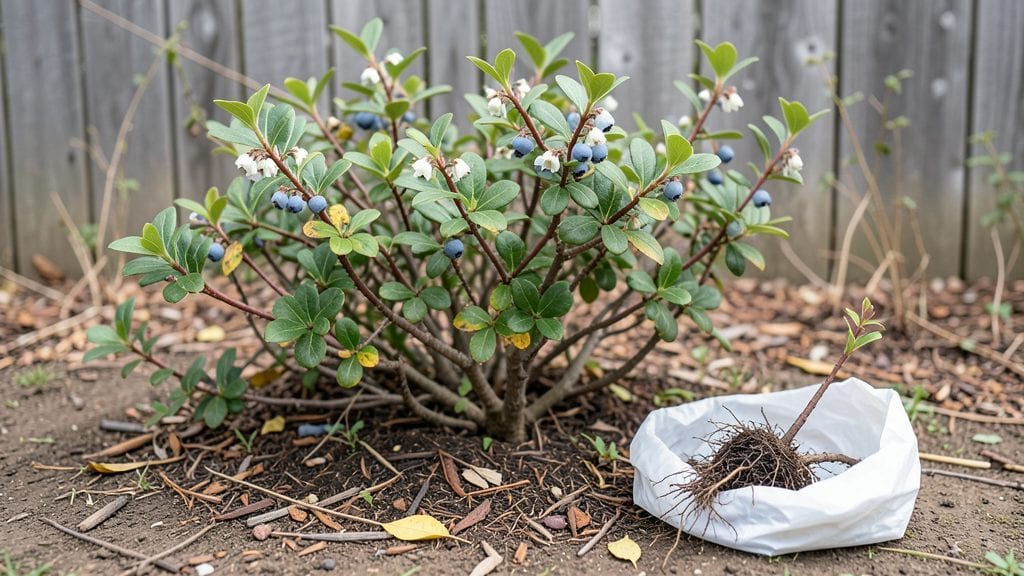
Rooting blueberry cuttings in water or soil can multiply your bushes in just 6-8 weeks—no nursery needed. 🌱 I’ve turned a single plant into a full patch this way, and the secret isn’t complicated: it’s all about timing, humidity, and a little patience.
The first year I tried, I nearly gave up after two weeks, but those stubborn little roots kept growing until I finally had thriving new plants.
You’ll need sharp pruners, clean jars or pots, and a mix of peat moss and perlite for soil rooting—or just water if you’re starting there. The key is taking cuttings from healthy, young growth in late summer when the plant’s energy shifts to root development.
Most gardeners skip this step, but it’s what separates a handful of bushes from a full blueberry thicket.
By the time fall rolls around, you’ll have 3-5 inch roots ready for transplanting, and next summer, your new plants will burst into growth. The berries might take a year or two to mature, but the payoff is worth it—imagine picking fresh blueberries from plants you grew yourself.
This method works for both wild and cultivated varieties, so you can expand your patch without breaking the bank.
Confession: my first attempt had a few flops, but I learned that consistency with moisture and shade is everything. Once you get the hang of it, you’ll be sharing cuttings with neighbors—or at least enjoying a bigger harvest. Here’s how to do it right the first time.
📚 In This Guide
- What you need
- Instructions
- Tips and common mistakes
- Wrapping up and next steps
What you need
- ● Blueberry plant cuttings: 4–6 healthy, semi-hardwood stems (about pencil-thick, 4–6 inches long) from a mature blueberry bush. Take them in late spring or early summer.
- ● Sharp pruning shears or clean knife: Sterilized with rubbing alcohol to prevent disease.
- ○ Rooting hormone (optional but recommended): A powder or gel like Rootone or Clonex to boost success rates.
- ● Water: Filtered or distilled (for water propagation) or clean tap water (for soil).
- ● Clear glass or jar: 16–20 oz for water rooting (e.g., a clean mason jar).
- ● Well-draining potting mix: A blend of perlite, peat moss, and sand (or a pre-mixed propagation mix) for soil rooting.
- ● Small pots or trays: 4–6 inch diameter pots with drainage holes (or a seedling tray with cells).
- ● Plastic wrap or humidity dome: To create a mini greenhouse effect and retain moisture.
- ● Spray bottle: For misting cuttings and maintaining humidity.
- ● Grow lights or sunny windowsill: Bright, indirect light (6+ hours daily) for optimal growth.
- ● Hydrogen peroxide (3%): Diluted (1:10 ratio) to clean cuttings and prevent bacterial growth.
- ● Fungicide (e.g., Mycorrhizal inoculant): Helps protect young roots in soil.
- ● Heating mat: Keeps soil warm (70–75°F) to speed up rooting.
- ● pH test kit: Ensures your soil or water is slightly acidic (pH 4.5–5.5), ideal for blueberries.
- ● Labels & markers: To track cutting sources and dates!
Step-by-Step instructions for rooting blueberry plants
Here's how I root blueberry cuttings quickly—whether in water or soil—so you can expand your bushes without waiting years for seeds.
🌱 Step 1: Select and Prepare Healthy Cuttings
Choose 4-6 inch long, pencil-thick stems from the current season's growth. Look for new wood that's still green but firm—avoid woody, brown stems. Use clean, sharp pruners to cut just below a leaf node (the bump where leaves attach). This node is where roots will form.
Remove all but the top 2-3 sets of leaves to reduce moisture loss. Dip the cut end in rooting hormone (optional but speeds up rooting). I skip it when using water propagation, but soil-rooted cuttings benefit from the extra boost. Place cuttings in a shaded spot to prevent wilting while you prepare their new home.
💧 Step 2: Choose Your Rooting Method
For water propagation, fill a clean glass with room-temperature water and place the cuttings so only the bottom 1-2 inches are submerged. Change the water every 2-3 days to prevent bacterial growth. Roots should appear in 3-4 weeks—look for tiny white tendrils near the waterline.
For soil propagation, fill small pots with moistened perlite or sand (both drain well and prevent rot). Bury the cuttings 2 inches deep and keep the mix consistently damp. Cover the pots with plastic wrap to retain humidity, but leave a small gap for airflow. This method works faster in 4-6 weeks but requires more attention to moisture.
☀️ Step 3: Provide Ideal Conditions for Root Growth
Keep cuttings in bright, indirect light—direct sun causes stress. A north-facing windowsill or under grow lights 12 inches away works best. Maintain 65-75°F temperatures. If your home runs cooler, place a small heating mat under the pots to warm the soil slightly.
For water-rooted cuttings, watch for roots reaching 1 inch long before transplanting. Soil-rooted cuttings are ready when you gently tug and feel resistance. Both methods require patience—rushing leads to fragile roots that break easily. I always wait until roots are at least ½ inch thick before moving plants.
✂️ Step 4: Transplant Rooted Cuttings
Move water-rooted cuttings to pots with well-draining potting mix (blueberries hate soggy soil). Plant them 1 inch deeper than they were in water to stabilize stems. For soil-rooted cuttings, carefully remove them from the propagation medium and plant directly into individual pots with acidic potting mix (pH 4.5-5.5).
Water lightly after transplanting—overwatering now drowns new roots. Place the pots in partial shade for 1 week to help them adjust. You'll know they're thriving when new leaves appear within 2-3 weeks. This is the moment they're ready for outdoor planting in 6-8 weeks.
Tips & tricks for perfect blueberry plant propagation
Here's what nobody tells you about speeding up those rooting times while keeping your cuttings healthy and thriving.
Timing is Everything: In Step 1, when you're selecting those 4-6 inch cuttings, focus on stems that are still pliable but not too soft. I've found that cuttings taken in late spring or early summer root fastest—this is when the plant's energy is focused on growth rather than fruit production. The key is to work quickly once you've made your cuts; wilting can start within 30 minutes, so prep your propagation containers before you begin pruning.
Rooting Hormone Hack: While rooting hormone is optional, I've seen it cut the rooting time by nearly 30% for soil propagation. For water propagation, skip it entirely—it can actually inhibit root formation in water. When using it for soil, I like to dip the cut end for just 2-3 seconds, then tap off the excess before planting. Too much hormone can burn the delicate tissues.
Light and Temperature Balance: The 65-75°F range in Step 3 is critical, but don't overlook the light quality. While bright indirect light is ideal, I've noticed that cuttings under grow lights actually root faster than those by windows—about 7-10 days sooner. If using natural light, rotate your cuttings every 2-3 days to ensure even growth. And here's a pro tip: place a small fan on low circulation near your cuttings. The gentle airflow prevents mold and actually stimulates root growth!
Transplanting Wisdom: When you're ready to transplant in Step 4, be gentle with those water-rooted cuttings—they're more delicate than soil-rooted ones. I like to dip the roots in a rooting hormone solution before planting to give them a second boost. For both methods, avoid fertilizing for at least 6 weeks after transplanting. New roots are sensitive to nutrients and can burn if exposed too soon.
Pro Tips for Rooting Blueberry Plants
- Here's what nobody tells you about speeding up those rooting times while keeping your cuttings healthy and thriving.
- Timing is Everything: In Step 1, when you're selecting those 4-6 inch cuttings, focus on stems that are still pliable but not too soft.
- Rooting Hormone Hack: While rooting hormone is optional, I've seen it cut the rooting time by nearly 30% for soil propagation.
Frequently asked questions
Got questions about rooting blueberry plants?
Here are answers to the most common ones—whether you're a beginner or a seasoned gardener looking to refine your technique.
Can I root blueberry plants in water like I would with pothos or mint?
While blueberries can root in water, it’s not ideal. Water rooting risks rot due to their sensitivity to moisture. For best results, use a soil-based propagation mix (like perlite + peat moss) or a sphagnum moss setup. If you try water, change it every 2–3 days and expect slower root development.
How long does it take for blueberry cuttings to root?
Patience is key! In soil, roots typically appear in 4–8 weeks, while water-rooted cuttings may take 6–12 weeks. Keep humidity high (use a plastic bag or propagator) and maintain 60–70°F temperatures. Avoid transplanting until you see 1–2 inches of new roots—gentle tugging should meet slight resistance.
What’s the best time of year to propagate blueberry plants?
Late winter to early spring (just before bud break) is ideal for semi-hardwood cuttings. Avoid summer heat, which stresses plants. If you must propagate in summer, shade cuttings and keep soil moist. Ever-bearing varieties can also root in late summer (August–September) for a fall harvest the next year!
Can I reuse the water or soil from rooting blueberry cuttings?
Nope! Discard water after rooting—it can harbor bacteria or fungi that harm new cuttings. For soil, sterilize it by baking at 200°F for 30 minutes or using a 10% hydrogen peroxide solution to kill pathogens. Fresh mix = healthier roots!
My blueberry cutting is turning yellow or mushy—what went wrong?
Yellowing or mushiness usually signals overwatering or rot. Check for:
- Soggy soil → Reduce watering; ensure pots have drainage holes.
- Fungal/bacterial infection → Trim affected areas with clean scissors, then dip in cinnamon powder or hydrogen peroxide.
- Low humidity → Mist daily or use a humidity dome.
If all else fails, take a new cutting from a healthy stem.
Wrapping up and next steps
Rooting blueberry plants is a rewarding way to expand your garden without breaking the bank! Whether you choose water or soil propagation, the process is simple and effective—just follow the right steps, stay patient, and soon you’ll be enjoying homegrown berries. 🌱
Now that you’re ready to propagate, take the next step by selecting healthy cuttings and giving them the care they deserve. Happy gardening, and may your blueberry bushes thrive!