
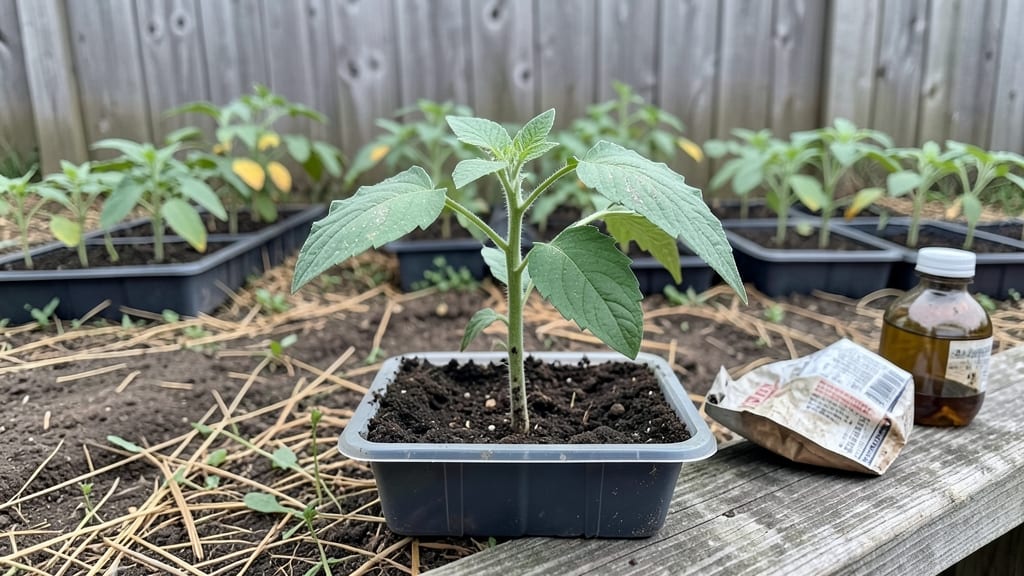
Seed Planting Schedule: Monthly Calendar for Peak Germination Rates

Lawn

Seed Planting Schedule: Monthly Calendar for Peak Germination Rates

A seed planting schedule is your roadmap to a garden that thrives—not just survives. 🌱

Struggling to remember when to plant seeds for the best growth? A precise planting schedule can mean the difference between thriving plants and wasted efforts—here’s your month-by-month guide to maximize germination and harvest success.

Timing isn’t just about throwing seeds into the dirt and hoping for the best. It’s about understanding your climate, avoiding frost traps, and aligning your efforts with nature’s rhythm.

Whether you’re in Zone 6a or another region, the right schedule ensures you’re not planting too early (and risking cold snaps) or too late (and missing the harvest window).

Below, I’ll break down the best months for each type of seed, how to adjust for your local frost dates, and whether to start indoors or sow directly outside. Ready to turn your garden dreams into a reliable reality?

🌱 Your Seed Planting Schedule Journey
From seed to harvest in General
Plant
Varies by
Grow
Spring-Summer
Harvest
Varies by
Best Time to Plant in General
Varies by plant (spring/fall typical)
Follow seed packet instructions for depth and spacing; adjust for local climate.

Monthly seed planting schedule by climate Zone (hardiness zones 3-10)

Timing is everything in gardening, and knowing when to plant seeds can transform your harvest from meager to magnificent. USDA hardiness zones 3-10 span from Alaska’s cold snaps to Florida’s balmy winters, so your planting window varies dramatically.

Cool-season crops like spinach and kale thrive in early spring, while heat-lovers such as tomatoes and peppers need warm soil to germinate. Let’s break down the ideal months for popular vegetables, herbs, and flowers by zone to help you plan like a pro.

For zones 3-5, where winters are harsh, focus on early spring and late summer plantings to avoid frost damage. Zones 6-8 enjoy longer growing seasons, allowing for multiple planting windows, while zones 9-10 can sow year-round for some crops.

Always check your last frost date—this is your golden rule for timing cool-season crops. Use this schedule as your guide, but adjust based on your local microclimate and soil temperature.

Pro Tip: Start frost-sensitive seeds indoors 6-8 weeks before your last frost date for a head start. For direct-sown seeds, wait until soil temperatures reach 60°F (15°C) or the recommended temperature on your seed packet. Overplanting? No problem—many herbs and greens like basil and lettuce can be thinned or transplanted.

🌱

Here’s your at-a-glance monthly seed planting schedule for zones 3-10, organized by crop type and planting window. Use this as your cheat sheet to avoid missed opportunities or wasted seeds.

Zone Crop Type Planting Window Examples Notes
3-5 Cool-Season Veggies March-April
August-September
Spinach, Kale, Peas, Lettuce Plant 4-6 weeks before last frost. Succession plant every 2 weeks for continuous harvest.
Warm-Season Veggies May-June
July-August (for fall harvest)
Tomatoes, Peppers, Cucumbers, Beans Wait until soil is 60°F+. Use row covers for early starts.
Herbs April-May
July-August
Basil, Parsley, Cilantro, Dill Basil hates frost; plant after last frost. Cilantro bolts in heat.
Flowers April-May
July-August
Marigolds, Zinnias, Sunflowers, Cosmos Direct-sow most annuals. Deadhead for continuous blooms.
6-8 Cool-Season Veggies February-March
August-September
Broccoli, Cabbage, Carrots, Radishes Extend season with cold frames or row covers.
Warm-Season Veggies April-June
July-August
Peppers, Eggplants, Okra, Sweet Potatoes Peppers need 80°F+ soil. Start indoors early.
Herbs March-April
June-July
Rosemary, Thyme, Sage, Oregano Perennials like rosemary thrive in zones 6-8 year-round.
Flowers February-March
June-July
Pansies, Snapdragons, Petunias, Geraniums Pansies tolerate light frost; great for early spring.

How to adjust your seed planting schedule for late frost or early heat

Unpredictable weather can throw off even the most experienced gardener’s seed planting schedule. Whether you’re facing a late frost or an early heatwave, knowing how to adjust your timeline is key to avoiding failed crops.

The secret lies in understanding your local frost dates, selecting fast-maturing varieties, and using tools like row covers to buy time. These adjustments can mean the difference between a bountiful harvest and wasted seeds.

First, check your USDA hardiness zone and historical frost data for your area. Many local agricultural extensions provide last frost dates—a critical benchmark for warm-season crops like tomatoes and peppers. If your frost arrives later than expected, shift your planting window by 2-4 weeks to avoid damage.

For example, in Zone 6a, where the last frost is typically around April 15, a late frost might push that date to May 1, delaying your tomato planting by three weeks.

⚠️

⚠️ Common Mistakes to Avoid
Planting frost-sensitive seeds too early risks killing young seedlings. Ignoring soil temperature (below 50°F) can stunt germination. Overestimating your frost-free days may lead to premature harvests before plants mature. Always verify seed packet instructions for specific heat or cold tolerance.

For gardeners dealing with early heat, focus on shade-loving varieties like lettuce or spinach, which thrive in cooler conditions. Alternatively, opt for fast-maturing crops such as bush beans (ready in 50-60 days) or radishes (ready in 25-30 days).

These plants can outpace the heat, giving you a harvest before temperatures rise too high. Pair this strategy with drip irrigation to keep soil moisture stable and roots cool.

Extend your growing season with row covers or cold frames, which can add 4-6 weeks of protection against late frosts. These tools create a microclimate, trapping heat during the day and insulating plants at night.

For example, a floating row cover can protect broccoli or cabbage seedlings until they’re large enough to handle cooler temperatures. Always remove covers during the day in Zone 7+ to prevent overheating.

Soil temperature is just as critical as air temperature. Use a soil thermometer to ensure it’s at least 60°F for warm-season crops like squash or cucumbers. If your soil is too cold, delay planting or use black plastic mulch to warm it faster.

For cool-season crops like kale or peas, soil temps below 50°F can slow germination—so wait until conditions improve.

Finally, keep a gardening journal to track your adjustments year after year. Note which varieties thrive in your climate, when you planted them, and how weather affected growth. Over time, you’ll refine your seed planting schedule to match your local conditions perfectly.

With these strategies, you’ll turn unpredictable weather into an advantage for a longer, more productive growing season. 🌱

★★★★★5.0(10 reviews)
Categories Lawn