
Companion Plants
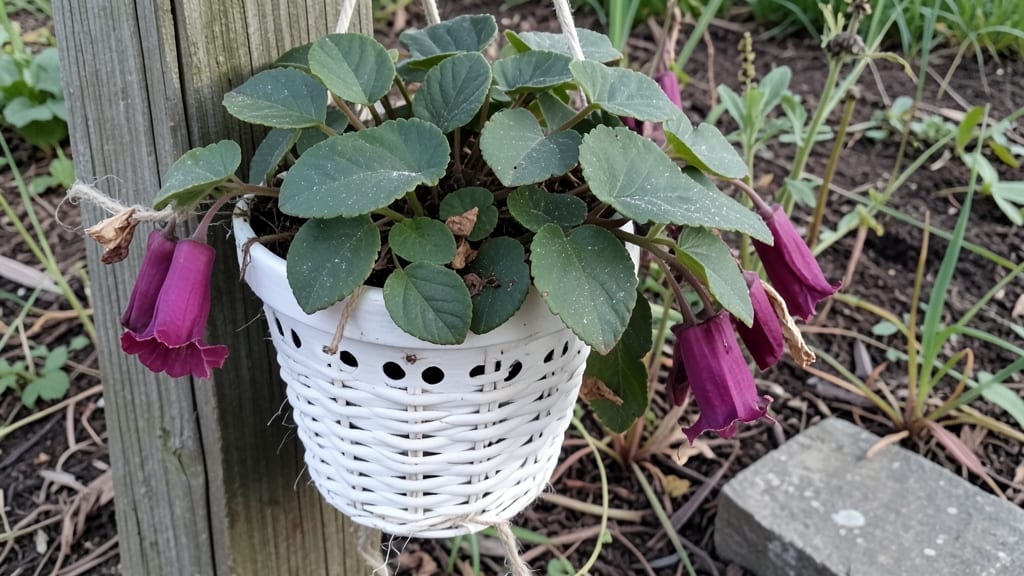
Shady patio plants don’t need to be an afterthought—some thrive where others fail. 🌿 I’ve transformed my dimly lit corner into a vibrant retreat using plants that love shade, and they’ve become the quiet stars of my outdoor space.
The key isn’t forcing sun-lovers to adapt; it’s choosing the right players from the start.
Low-maintenance options like ferns, hostas, and impatiens handle humidity and dappled light beautifully, while containers let you move them as shadows shift. A mix of textures—velvety leaves, glossy foliage, and delicate blooms—creates depth without needing sunlight. Think of it as styling a gallery where the light is soft, not harsh.
By the end of summer, you’ll have a patio that feels like a secret garden, lush and alive even when the sun’s elsewhere. These plants reward patience with year-round interest, and the best part? They’re easier to care for than sun-starved alternatives. Let’s pick the perfect lineup for your space.
Whether you’re working with a covered porch, a north-facing deck, or just a spot under a tree, the same principles apply. Start small, play with heights, and let the plants do the heavy lifting—your patio will thank you.
📚 In This Guide
- What you need
- Instructions
- Tips and common mistakes
- Wrapping up and next steps
What you need
- ● Shady patio plants: 5–10 Hostas (e.g., 'Blue Angel' or 'Halcyon')
- ● 3–5 Ferns (e.g., maidenhair or Japanese painted fern)
- ● 2–3 Heucheras (e.g., 'Palace Purple' for color)
- ● 1–2 Astilbes (for fluffy blooms)
- ● 1 Japanese Maple (dwarf variety, 3–5 gallons)
- ● Containers: 5–10 10–14" pots (with drainage holes)
- ● 2–3 hanging baskets (for trailing plants like Sweet Woodruff)
- ● 1 large planter (20+ gallons for the Japanese Maple)
- ● Soil & Amendments: 1–2 bags well-draining potting mix (e.g., Pro-Mix or Miracle-Gro Moisture Control)
- ● 1 bag peat moss or coconut coir (for moisture retention)
- ○ 1 bag perlite or orchid bark (for aeration, optional but helpful)
- ● Tools: 1 trowel (for planting)
- ● 1 pruning shears (for trimming)
- ● 1 garden gloves (to keep hands clean)
- ● 1 watering can or hose with gentle nozzle (low-light plants love hydration!)
- ● Mulch (e.g., pine bark fines or shredded leaves) to retain moisture.
- ● Slow-release fertilizer (balanced 10-10-10 or organic options like fish emulsion).
- ● Decorative stones or pebbles for a polished look.
- ● LED grow lights (if your patio gets very minimal light).
Step-by-step guide to creating a thriving shady patio garden
Here's how to transform your dim corner into a vibrant, low-maintenance retreat.
🌿 Step 1: Select the Right Plants for Your Light Conditions
Not all shade is equal—your patio may have dappled shade (filtered light) or deep shade (almost no direct sun). For dappled shade, choose plants like hostas, ferns, or astilbes that tolerate some morning sun. In deep shade, focus on heucheras, impatiens, or caladiums that thrive with minimal light.
I always check the plant tags for light requirements before buying. A good rule: if a plant says "partial shade", it can handle 3-6 hours of morning sun—perfect for most patios. For full shade, look for labels saying "shade-tolerant" or "low-light"—these will tell you exactly what grows best.
🪴 Step 2: Prepare Your Containers and Soil Mix
Shade-loving plants need well-draining, moisture-retentive soil to prevent root rot. Mix 3 parts potting soil with 1 part perlite or orchid bark to improve aeration. Fill your containers ¾ full—leave room at the top for watering without spilling.
If your patio pots lack drainage holes, drill a few ¼-inch holes in the bottom. Line the pot with a plastic nursery pot (cut to fit) to catch overflow while keeping roots contained. This prevents soggy soil, which is deadly for shade plants that can't dry out quickly.
☀️ Step 3: Plant with Proper Spacing and Light Exposure
Place taller plants like hostas or ferns toward the back of containers or against walls to avoid blocking light for smaller varieties. For 4-inch pots, space plants 6-8 inches apart—crowding leads to competition for nutrients and weak growth.
After planting, water deeply until water runs out the drainage holes. This ensures roots settle into the soil without air pockets. I like to water in the morning so plants have all day to absorb moisture before evening humidity sets in.
💧 Step 4: Maintain Consistent Moisture and Fertility
Shade plants need even moisture—never let the soil dry out completely. Water when the top inch feels dry, usually every 2-3 days in warm weather. Mulch with ½ inch of shredded bark to retain moisture and suppress weeds.
Feed plants every 4-6 weeks with a balanced liquid fertilizer (10-10-10). Shade-loving plants grow slower, so they don’t need heavy feeding. Over-fertilizing can burn roots in low-light conditions. Always water before applying fertilizer to protect tender leaves.
✂️ Step 5: Prune and Refresh for Year-Round Beauty
Deadhead spent blooms on impatiens or caladiums to encourage more flowers. For foliage plants like heucheras, pinch back leggy stems in early summer to promote bushier growth. Prune in late spring or early fall—avoid heavy trimming in winter when plants are dormant.
Replace annuals like impatiens or fuchsias every 2-3 years or when they outgrow their pots. Perennials like hostas or astilbes will thrive for years with proper care. Rotate containers seasonally to ensure even light exposure and prevent soil depletion.
Tips & tricks for perfect shady patio plants
Common pitfalls—and how to sidestep every one—when creating your dream low-light garden.
Light Conditions: Real talk: not all shade is created equal. If your patio gets 3-6 hours of morning sun (common in dappled shade), you can grow hostas or astilbes that actually appreciate that gentle light. But if you're dealing with true deep shade, stick to the heucheras and impatiens—they're the real shade champions. I learned this the hard way after watching my ferns wilt in a north-facing corner that got zero sun.
Soil Mix Strategy: That 3:1 ratio of potting soil to perlite isn't just arbitrary—it's the Goldilocks zone for shade plants. Too much perlite and your soil dries out too fast; too little and you risk root rot. I always add a handful of worm castings (optional: you can skip this) to give an extra nutrient boost without overdoing it. The key is that ¾ full container fill—leave that extra space for watering without creating a mess.
Container Placement: Here's what nobody tells you—rotate your containers seasonally. In spring, move them to catch any extra morning light. By summer, they might need to be shifted for afternoon shade. I mark the north side of each pot with a paint dot so I remember which way they face. This simple trick prevents lopsided growth and keeps your plants thriving all season.
Watering Wisdom: The top inch dry rule works, but here's the pro move: use a moisture meter for containers. Shade plants can't tell you when they're thirsty, and overwatering is just as deadly as underwatering. I water in the morning because evening moisture can encourage fungal issues in that humid patio air. And that ½ inch of mulch? It's not just decorative—it's a game-changer for moisture retention.
Pro Tips for Shady Patio Plants
- Common pitfalls—and how to sidestep every one—when creating your dream low-light garden.
- Light Conditions: Real talk: not all shade is created equal.
- Soil Mix Strategy: That 3:1 ratio of potting soil to perlite isn't just arbitrary—it's the Goldilocks zone for shade plants.
Frequently asked questions
Got questions about keeping your patio vibrant even in the shade? Here are some common ones—and their answers!
What are the best fast-growing shady patio plants?
If you want quick results, opt for ferns (like Boston ferns), hostas, or caladiums. These thrive in low light and grow rapidly, adding lushness fast. For trailing options, ivy or pothos are excellent choices!
How long does it take for shady plants to establish?
Most shady patio plants take 4–8 weeks to show noticeable growth, depending on the species. Hostas and ferns may take slightly longer (up to 3 months) to fill out, but they reward patience with dense foliage. Keep soil moist during this time!
Do shady plants need extra care in dry weather?
Yes! Shady plants rely on consistent moisture since they don’t get direct sun to evaporate excess water. Water deeply 2–3 times per week (or daily in extreme heat) and use mulch to retain soil moisture. Drought-tolerant options like heucheras or astilbes need less attention.
Can I grow vegetables or herbs in shady patios?
Try leafy greens (lettuce, spinach), herbs (parsley, cilantro), or root veggies (radishes, carrots) in partial shade. Avoid fruiting plants like tomatoes or peppers—they need full sun. Containers with well-draining soil work best for these!
Why are my shady plants turning yellow?
Yellowing leaves often signal overwatering, nutrient deficiency, or fungal issues (like root rot). Check soil moisture—shady plants prefer it consistently damp but not soggy. Fertilize lightly with a balanced formula (10-10-10) every 6–8 weeks. If spots appear, treat with neem oil.
Wrapping up and next steps
Transforming your shady patio into a vibrant oasis is easier than you think! With the right low-light-loving plants, you can create a serene, lush space that’s both functional and beautiful.
Whether you’re a seasoned gardener or just starting out, these hardy companions will reward you with year-round greenery and minimal fuss.
Ready to take the next step? Start small—pick one or two plants from our list, test the soil, and get growing! Your shady patio deserves to shine, and with these tips, it will. Happy planting! 🌿✨