
Planting
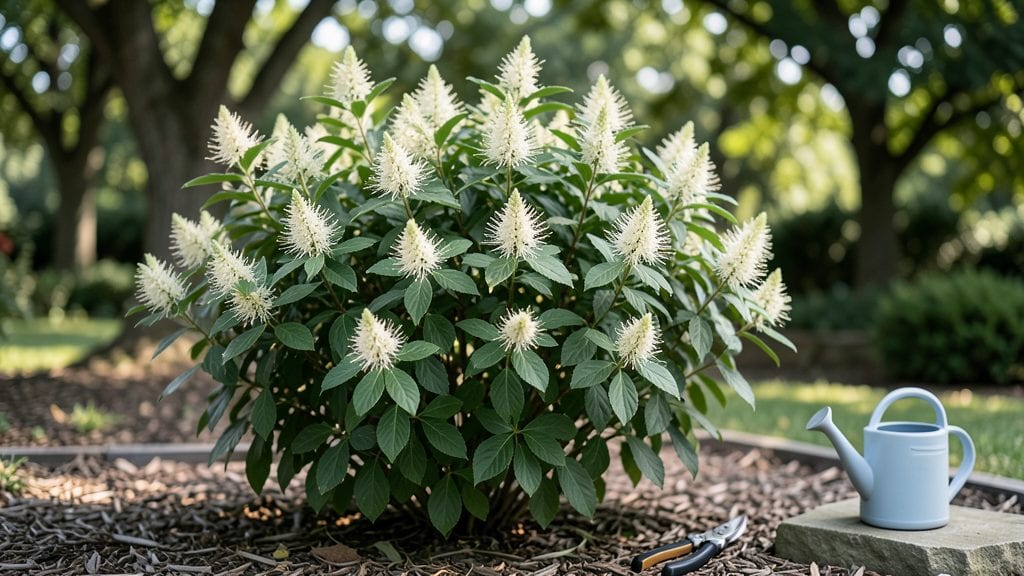
Growing a thriving Sharon bush plant 🌸 means unlocking its full potential—those showstopping blooms that last from summer through fall, year after year.
But here’s the catch: without the right timing and technique, even the hardiest Sharon bush can end up leggy, sparse, or worse—bare branches where flowers should be.
I’ve seen it happen (and fixed it), and the secret lies in three pruning tricks that turn a struggling shrub into a blooming star.
If you’re planting yours this spring in zone 6a or beyond, you’ll want to know when to trim, how much to cut back, and which tools make all the difference. The best part? These methods work whether you’re a first-time gardener or a seasoned pro.
Below, I’ll walk you through the exact steps—from late-winter shaping to post-bloom cleanup—that keep your Sharon bush lush, healthy, and bursting with color for decades.


Sharon bush pruning guide: when, how, and why to trim for maximum blooms
The Sharon bush (Hibiscus syriacus) rewards careful pruning with vibrant blooms and dense foliage for years. Without proper trimming, it becomes leggy and sparse. My 3-pruning system—late winter, post-flowering, and shaping cuts—keeps your bush thriving. Let’s dive into the when, how, and why behind each technique.
Pruning isn’t just about cutting back—it’s about encouraging growth. The Sharon bush blooms on new wood, meaning aggressive cuts in late winter stimulate fresh shoots.
Post-flowering trims remove spent blooms, while shaping cuts maintain your bush’s desired form. Master these steps, and you’ll enjoy non-stop blooms from summer to fall.
3 Essential Pruning Steps for a Blooming Sharon Bush
-
1. Late Winter Pruning (USDA Zones 5-9: February-March)
Cut 1/3 of last year’s growth to encourage new shoots. Remove dead or weak branches first, then trim crossing branches to improve airflow. Use clean, sharp pruners for smooth cuts just above a bud or leaf node.
-
2. Post-Flowering Pruning (Late Summer: August-September)
Trim spent blooms and leggy stems to promote fall blooms. Cut back overgrown branches by 1/2 their length to stimulate bushier growth. Avoid heavy pruning now—focus on shaping and cleanup.
-
3. Shaping Cuts (Spring & Summer: April-July)
Lightly trim to maintain shape and remove suckers at the base. Prune just above a leaf node at a 45-degree angle to prevent water pooling. This keeps your bush compact and full year-round.
Your pruning tools matter just as much as the technique. Use bypass pruners for clean cuts on small branches and a loppers for thicker stems. For large limbs, a pruning saw ensures smooth cuts without tearing. Always sterilize tools between plants to avoid spreading disease.
Timing is critical—late winter pruning (before buds swell) sets the stage for summer blooms. In warmer climates (Zones 8-9), delay until early spring to avoid frost damage.
Post-flowering cuts in late summer encourage fall blooms, while shaping cuts in spring and summer keep your bush neat and healthy.
If your Sharon bush isn’t blooming, over-pruning in summer is often the culprit. Blooms form on new wood, so avoid heavy cuts after June. Instead, focus on light shaping and removing dead growth.
For older bushes, rejuvenate with a harder prune in late winter—cut back 1/2 to 2/3 of the height to stimulate fresh growth.
For container-grown Sharon bushes, prune 10-15% more aggressively to encourage compact growth. Use smaller pruners for precision and water deeply after pruning to reduce stress. Containers dry out faster, so monitor soil moisture closely during hot summer months.
Mulch after pruning to retain moisture and regulate soil temperature. Use 2-3 inches of organic mulch like shredded bark or compost, keeping it away from the trunk to prevent rot. This supports root health and reduces weeds, giving your bush the best chance to thrive.
Watch for new shoots after late winter pruning—they’ll be tender and bright green. These are your future blooming branches, so protect them from frost in early spring.
If you notice yellowing leaves after pruning, it may signal over-pruning or nutrient deficiency. Apply a balanced fertilizer in early spring to boost recovery.
With these 3 pruning tricks, your Sharon bush will reward you with lush foliage and non-stop blooms for decades. Start with late winter cuts, follow up with post-flowering trims, and maintain shape throughout the year. Happy pruning—your bush will thank you with stunning flowers! 🌸
Sharon bush care calendar: seasonal tasks for year-round health and flowers
The Sharon bush (Hibiscus syriacus) rewards consistent seasonal care with vibrant blooms and sturdy growth. From spring pruning to winter protection, each season offers key tasks to maintain health. Follow this month-by-month guide tailored for USDA zones 5-9 to keep your bush thriving year-round.
Your Sharon bush thrives with sunlight, moderate watering, and strategic fertilization. The biggest mistakes? Overwatering in winter or skipping late-winter pruning. Let’s break down exactly what to do each month—because timing matters more than you think for bloom production.
📋 Summary Table: Sharon Bush Seasonal Care
Start your Sharon bush off right in late winter with pruning—this is when you shape the bush and encourage new growth for summer blooms. Use clean, sharp shears to cut back one-third of the oldest stems at the base.
This might seem drastic, but it prevents woody, overgrown branches and keeps your bush compact.
Once spring arrives, focus on feeding your bush with a balanced fertilizer (10-10-10) every 4-6 weeks. Pair this with a 2-inch layer of mulch to retain moisture and regulate soil temperature. Morning watering is key—avoid wet foliage in the evening to prevent fungal diseases like powdery mildew.
During summer’s heat, your Sharon bush will need deep, infrequent watering—about once a week unless temperatures exceed 90°F. Remove spent blooms regularly to encourage more flowers.
This is also the time to watch for pests like aphids—spray with neem oil if you spot sticky residue on leaves.
As fall approaches, reduce fertilizer applications and focus on light pruning to tidy up any leggy growth. In USDA zones 5-7, young bushes may need winter protection—wrap them in burlap or use mulch to insulate roots. Older bushes usually handle winter well with minimal care.
Winter care is simple: avoid watering unless the ground is completely frozen. In zone 5, a thick mulch layer (4-6 inches) can protect roots from freezing temperatures. Prune lightly in early spring if you notice any damaged branches from winter.