
Planting
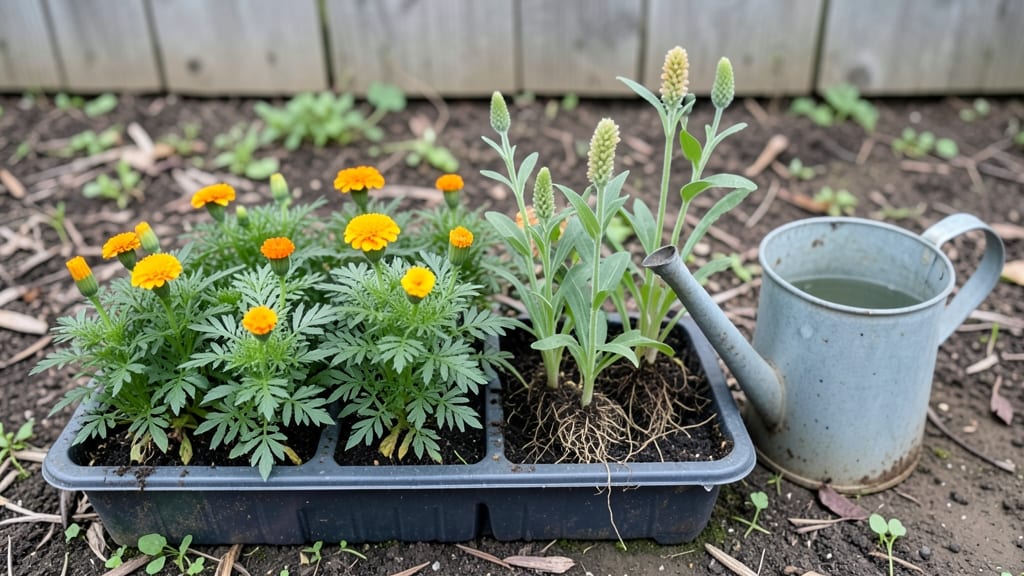
The right spring planting schedule turns your yard into a thriving showstopper by summer. ✨ I’ve learned that timing is everything—plant too early and frost zaps your progress, too late and you miss peak growth.
The key is matching seeds to your last frost date, which varies from zone 3’s May 15 to zone 10’s March 1. My first year, I ignored this and lost half my tomatoes to a late freeze.
Now I use a simple formula: count backward from your frost date and plant accordingly.
Prepping your soil and picking the right plants makes all the difference. Loosen the top 6 inches of soil, mix in compost, and choose varieties that love your climate—like heat-tolerant peppers for hot zones or cold-hardy kale for cooler areas.
I swear by starting cool-season crops (like lettuce and peas) 4-6 weeks before the last frost, while warm-season plants (tomatoes, basil) wait until soil hits 60°F. A soil thermometer is your new best friend.
By following this schedule, you’ll see lush green leaves by early summer and blooms that make neighbors stop and stare. The secret isn’t just what you plant—it’s when.
My garden went from “meh” to “wow” once I mastered this timing. Ready to transform your patch? Let’s dive into the exact steps that work for your zone.
This works for containers, raised beds, or in-ground gardens—just adjust watering slightly for smaller pots. The biggest mistake? Skipping mulch after planting. It keeps roots cool and moist, which is especially critical in hot climates. Trust me, your plants will thank you with bigger, brighter blooms all season long.
Nature’s Springtime Planting Clock
Spring planting isn’t just a whim—it’s a finely tuned dance between biology, weather, and soil science. Understanding why the timing matters so much helps you align your garden with nature’s rhythms for the best results.
Here’s why your plants are practically begging to hit the dirt in spring (and why waiting too long—or starting too early—can backfire).
Cold soil is like a frozen computer—it’s sluggish, and your seeds won’t get the warmth and oxygen they need to germinate. Here’s the science:
- Microbe revival: Beneficial bacteria and fungi (like mycorrhizae) wake up in spring, breaking down organic matter and making nutrients available. If you plant too early, these helpers are still hibernating, leaving your roots starving. ❄️→🔥
- Water drainage: Frozen or compacted soil traps excess water, suffocating roots and causing damping-off (a fungal disease that kills seedlings). Wait until the ground is 60°F+ at 4 inches deep—use a soil thermometer to check!
- Seed dormancy breaks: Many seeds (like peas or lettuce) need chilling to trigger germination. Planting too early can leave them in limbo, while waiting until soil warms ensures they explode with growth.
Actionable tip: Test your soil’s readiness with the finger test: Push your finger 2 inches deep. If it feels damp but not icy, it’s time!
Plants are photoperiodic—they read the calendar through sunlight. Here’s how spring’s lengthening days signal them to grow:
- Gibberellins surge: This plant hormone, triggered by longer daylight, stimulates seed germination and stem elongation. Shortening winter days keep it suppressed, but spring’s 12+ hours of light kickstarts the process. 🌅
- Florigen activation: For blooming plants (like tomatoes or petunias), increasing light tells them to shift from leafy growth to flowering. Plant too late, and you’ll get lush foliage but no fruit or blooms.
- Avoid bolting: Cool-season crops (e.g., spinach, kale) bolt (go to seed prematurely) if exposed to too much heat early. Spring’s moderate temps keep them happy longer.
Pro move: Use shade cloth for heat-sensitive seedlings if your spring warms up fast—it buys you time to harden them off.
Spring isn’t just kind to plants—it’s also the perfect storm for pests and pathogens. Here’s why timing matters:
| Early Planting Risks | Late Planting Risks |
|---|---|
|
|
Defense strategy: Use row covers for early crops and neem oil for late-season pests. Rotate planting dates to confuse pests!
Spring’s unpredictable temperature swings can turn your garden into a high-stakes game of Russian roulette. Here’s why:
- Frost damage: Most seedlings won’t survive below 32°F. Early bloomers (like broccoli) can be killed by light frosts, while late plantings (like basil) may bolt from sudden heat.
- Heat stress: Planting too early in warm climates can cause transplant shock—seeds germinate, but seedlings overheat before roots establish.
- Rainfall extremes: Spring showers can leach nutrients or waterlog soil, while droughts stress young plants. Aim for consistent moisture (not soggy or dry).
💡 Hack: Use frost cloth or plant in microclimates (e.g., near south-facing walls) to extend your growing window.
Fixing Common Planting Pitfalls
Springtime planting is your chance to turn your garden into a vibrant paradise—but even the best-laid plans can go awry. 🌱 Don’t let frustration bloom along with your plants!
Below, we’ve mapped out practical solutions for the most common spring planting problems, from soil woes to pest invasions, with prevention tips to keep your garden thriving all season.
Cause: Compacted, nutrient-poor, or overly acidic soil stunts growth and weakens plants before they even sprout.
How to Fix It:
- Test your soil (🔬) – Use a DIY kit or send a sample to your local extension office. Aim for a pH of 6.0–7.0 for most veggies and flowers.
- Amend the soil (💪) – Mix in 2–3 inches of compost or aged manure. For sandy soil, add peat moss or coconut coir; for clay, blend in perlite or coarse sand.
- Aerate compacted soil (🏗️) – Use a garden fork to loosen the top 6–12 inches before planting. For lawns, rent a core aerator.
- Mulch like a pro (🍂) – Spread 2–4 inches of organic mulch (straw, wood chips) to retain moisture and improve soil over time.
Prevention Tip: 💡 Rotate crops annually to prevent soil depletion. Avoid planting the same family (like tomatoes or peppers) in the same spot two years in a row.
Cause: Aphids, slugs, fungal spores, or bacterial infections can derail your spring planting before it gains traction.
How to Fix It:
- Spot-treat pests early (🦟):
- Aphids/Spider Mites: Blast off with a strong spray of water or apply neem oil (mix 1 tbsp neem oil + 1 tsp mild soap in 1 quart water).
- Slugs/Snails: Set out beer traps (bury a cup filled with beer) or use iron phosphate bait (pet-safe).
- Fungal Issues (Powdery Mildew): Spray with baking soda mix (1 tbsp baking soda + 1 quart water + a drop of soap).
- Boost plant resilience (🛡️) – Hardened seedlings by gradually exposing them to outdoor conditions (acclimate for 5–7 days before transplanting).
- Encourage natural predators (🐞) – Plant marigolds, basil, or dill near vulnerable crops to attract ladybugs and lacewings.
Prevention Tip: ✨ Plant disease-resistant varieties (check seed packets for labels like "blight-resistant" or "powdery mildew-free").
Cause: Planting too close together leads to stunted growth, poor airflow, and increased disease risk.
How to Fix It:
- Thin seedlings properly (✂️) – Use clean scissors or your fingers to snip weaker seedlings at soil level, leaving the strongest 2–3 inches apart (check spacing guidelines for each plant).
- Space mature plants correctly (📏) – Refer to seed packets or plant tags for minimum spacing (e.g., tomatoes need 18–24 inches apart).
- Interplant wisely (🌻) – Pair fast growers (radishes, lettuce) with slow growers (squash, corn) to maximize space.
Prevention Tip: 🎯 Plan your layout in advance—sketch a garden map or use straw bales to mark planting zones before digging.
Cause: Uneven watering leads to root rot, wilting, or weak stems—especially in spring’s unpredictable weather.
How to Fix It:
- Water deeply but infrequently (💧) – Aim for 1–1.5 inches per week (including rain). Use a rain gauge or tuna can to measure.
- Improve drainage (🚰) – If soil stays soggy, raise beds or mix in sand/perlite. Add gravel to container bottoms.
- Mulch to lock in moisture (🍃) – Apply 2–3 inches of mulch (straw, wood chips) to reduce evaporation and keep roots cool.
- Water at the right time (⏰) – Early morning (6–9 AM) is best—avoid evening watering to prevent fungal growth.
Prevention Tip: 💡 Group plants with similar water needs (e.g., herbs and veggies together, succulents separately).
Cause: Unexpected frosts or sudden heat waves can shock tender seedlings.
How to Fix It:
- Protect from frost (❄️) – Cover seedlings with frost blankets, row covers, or upside-down buckets if a freeze is forecasted.
- Hardening off seedlings (🌱→🌿) – Gradually expose them to wind and sun over 5–7 days before planting.
- Shade young plants (☀️) – Use shade cloth (30–50%) if temps exceed 85°F (29°C) for delicate crops like lettuce or spinach.
- Choose heat-tolerant varieties (🔥) – Opt for Okra, Swiss chard, or Malabar spinach if your spring is scorching.
Prevention Tip: 🌡️ Check your frost dates (average last frost is April 15 in most zones) and wait 2 weeks after before planting warm-season crops.
Cause: Accidental damage from shovels, over-fertilizing, or transplant shock can set plants back.
How to Fix It:
- Handle seedlings gently (👩🌾) – Avoid roughing up roots when transplanting. Dig a hole twice as wide as the root ball and water deeply after planting.
- Fertilize lightly (🌿) – Too much nitrogen = leafy but no flowers/fruit. Use a balanced 10-10-10 or fish emulsion sparingly.
- Repair damaged roots (🔧) – If roots are torn, trim jagged edges with clean scissors and replant immediately.
Prevention Tip: ⚠️ Sharpen tools regularly to avoid crushing roots—dull shovels cause more damage than you think!
- Wilting? 💦 Submerge the pot in water for 10–15 minutes (for container plants).
- Yellow leaves? 🍃 Flush soil with water to remove excess salts (from fertilizers).
- Leggy seedlings? ☀️ Move to a sunnier spot and reduce watering slightly.
Final Thought: 🌟 Most spring planting setbacks are fixable—and often preventable with a little foresight. Start small, observe your garden daily, and adjust as needed. Before you know it, your bountiful blooms will be the talk of the neighborhood! 🌸
Frequently asked questions
When is the absolute best time to start planting in spring?
Plant cool-season crops like lettuce, peas, or spinach 4-6 weeks before your last frost date. Wait until soil reaches 60°F at 4 inches deep for warm-season plants like tomatoes or peppers. Use a soil thermometer to check—this prevents frost damage and ensures strong root growth.
Can I plant flowers and vegetables together in the same garden?
Companion planting works wonders—try pairing marigolds with tomatoes to repel pests or basil with peppers to boost flavor. Avoid planting potatoes near squash (they compete for nutrients) and always check spacing needs to prevent crowding.
What’s the easiest way to prepare my soil for spring planting?
Start by removing weeds, then loosen the top 6 inches of soil with a fork. Mix in 2-3 inches of compost and a balanced fertilizer (like 10-10-10). For clay soil, add perlite; for sandy soil, use peat moss. Test your pH—most plants thrive in 6.0-7.0 range.
How do I protect my seedlings from late spring frosts?
Cover tender plants with frost cloth or row covers when temperatures drop below 32°F. For extra protection, use upside-down buckets or milk jugs over individual plants. Remove covers during the day to allow sunlight. Always check your local frost forecast!
What should I do if my seedlings look leggy or weak?
Leggy seedlings need more light—move them to a sunny window or under grow lights immediately. Reduce watering slightly (overwatering causes stretching) and ensure they’re 2-3 inches apart for better airflow. If already planted, add a support stake to help them stand upright.