
Pests
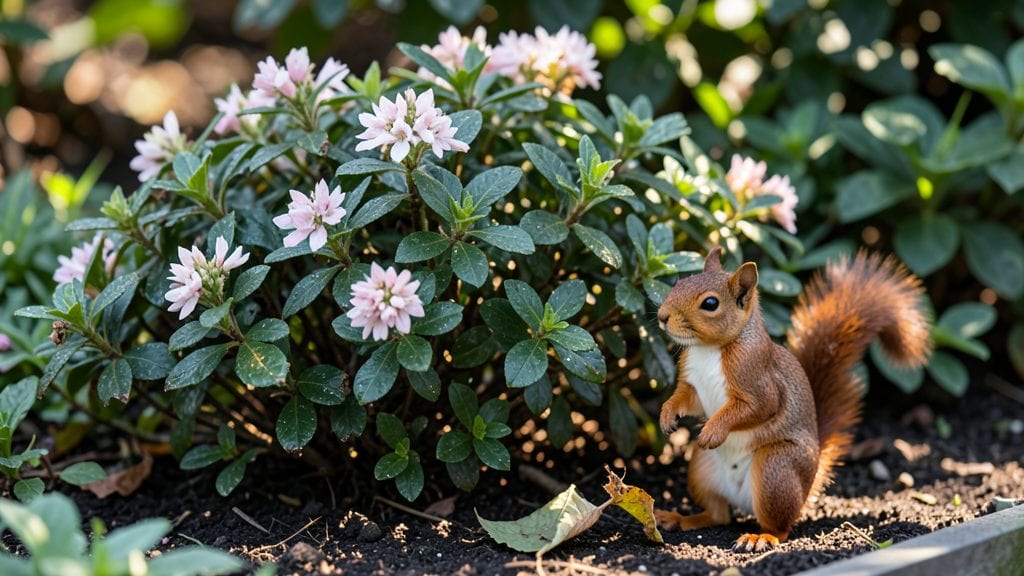
After learning the hard way, I planted squirrel-proof plants—this time, those sneaky diggers couldn’t touch a single tulip bulb before frost. 🌱 The solution? Swapping vulnerable plants for tough, thorny varieties that squirrels avoid like a bad neighborhood.
Squirrels hate anything prickly, bitter, or that makes them feel exposed—think roses with thorns, lavender’s strong scent, or the fuzzy leaves of lamb’s ear. These plants aren’t just squirrel-resistant; they’re also drought-tolerant and low-maintenance, so you get double the benefits.
The key is choosing the right mix for your climate and sunlight conditions.
By replacing a few high-risk plants with these squirrel-proof alternatives, you’ll protect your garden without traps or harsh chemicals. Imagine waking up to a yard full of blooms instead of empty holes—no more digging up bulbs or shredded seed packets. The payoff is worth the swap.
Works for flower beds, vegetable patches, or even container gardens. Here’s the full list of tough varieties that’ll keep those bushy-tailed troublemakers at bay—naturally.
📚 In This Guide
- What you need
- Instructions
- Tips and common mistakes
- Wrapping up and next steps
What you need
- ● Squirrel-resistant plants: 5–10 mature plants (or seeds/saplings) from the list below—choose based on your climate and garden size: Thorny roses (e.g., Rosa rugosa)
- ● Boxwood (Buxus sempervirens)
- ● Holly (Ilex species)
- ● Russian sage (Perovskia atriplicifolia)
- ● Lavender (Lavandula)
- ● Yarrow (Achillea millefolium)
- ● Garden gloves (1 pair) – Heavy-duty for handling thorny plants.
- ● Pruning shears – Sharp, bypass-style for clean cuts.
- ● Trowel or shovel – For planting roots or saplings.
- ● Compost or fertilizer (5–10 lbs) – Organic, slow-release for nutrient-rich soil.
- ● Mulch (2–3 bags) – Wood chips or straw to suppress weeds and deter squirrels.
- ● Watering can or hose – With a gentle spray nozzle for post-planting hydration.
- ● Squirrel repellent spray – Non-toxic, pepper-based for extra deterrence.
- ● Chicken wire or mesh – To protect young plants temporarily.
- ● Plant cages or trellises – For climbing varieties like thorny roses.
- ● Soil test kit – To check pH and nutrient levels before planting.
- ● Decorative rocks or gravel – To border plant beds and add a squirrel-unfriendly barrier.
How to choose and plant squirrel-resistant garden varieties
Here's the foolproof approach I use to protect my garden from persistent squirrels—focus on plants they despise.
🌱 Step 1: Select Naturally Deterrent Plant Varieties
Squirrels avoid plants with strong fragrances, toxic compounds, or physical defenses. Start with thorny roses like 'Iceberg' or 'Knock Out'—their sharp stems deter digging. Russian sage (Perovskia atriplicifolia) contains volatile oils that repel rodents with its intense aroma. For vegetables, peppers (especially 'Carolina Reaper') contain capsaicin, which squirrels avoid.
Herbs like lavender and rosemary work double-duty—their pungent scents mask other plants while discouraging squirrels. I always plant alliums (garlic, chives, onions) near vulnerable crops; their sulfur compounds create a natural barrier. Check local nurseries for dwarf thornless blackberry bushes—their prickly canes make foraging nearly impossible.
🪴 Step 2: Plant in Strategic Locations
Position squirrel-deterrent plants along property edges and near high-value crops. A 2-foot border of lavender around vegetable beds creates an impassable scent barrier. For trees, plant thorny hawthorns (Crataegus) as understory shrubs—their dense, spiny branches force squirrels to climb higher where they're less effective.
Place pepper plants at garden corners where squirrels enter. Their capsaicin-rich foliage leaves a bitter taste that squirrels associate with danger. I've seen squirrels abandon entire garden sections after encountering just one pepper plant—they learn fast. Avoid planting these varieties in isolated spots; squirrels will simply bypass them.
☀️ Step 3: Combine Physical and Chemical Deterrents
Layer thorny plants with strongly scented varieties for maximum protection. For example, pair rosemary bushes with barberry shrubs (Berberis)—the combination of thorns and citrusy aroma creates an impenetrable zone. I also interplant dahlias (especially 'Bishop' series) whose thick, woody stems make digging difficult.
For edible gardens, use hot pepper sprays (made from blended peppers + water) on vulnerable plants. The residual capsaicin deters squirrels for 2-3 weeks. Reapply after rain. I've found that squirrels avoid marigolds (Tagetes) too—their pyrethrin compounds create a natural repellent effect when planted in clusters of 9+ plants.
✂️ Step 4: Maintain Plant Health for Long-Term Protection
Healthy, vigorous plants deter squirrels better than stressed ones. Water deeply every 3-4 days to maintain strong root systems—squirrels target weak, wilted plants first. Prune roses and berries regularly to encourage dense foliage; thick growth makes access harder. I shear Russian sage back by 1/3 in early spring to promote bushier, more aromatic growth.
Remove any fallen fruit or seed heads immediately—these attract squirrels like magnets. For pepper plants, harvest before full ripeness to prevent seed dispersal. I've seen squirrels completely ignore a pepper patch when I keep it pruned and harvested aggressively. Deadhead dahlias after blooming to prevent seed formation that would otherwise lure rodents.
💧 Step 5: Rotate Deterrent Plants Seasonally
Squirrels adapt quickly, so rotate your deterrent plants every 2-3 years. Replace lavender with wintergreen (Gaultheria) in fall—its minty scent repels squirrels even in cold weather. For spring planting, introduce foxglove (Digitalis) whose toxic compounds deter foraging. I also swap out barberry for cotoneaster (Cotoneaster) in late summer—their bright red berries (toxic to squirrels) create a visual warning.
Plant garlic chives in early spring—their strong odor lingers through summer. For fall, add fennel (Foeniculum) whose anise scent squirrels find overwhelming. The key is variation—squirrels that ignore one plant's defenses may avoid another entirely. I keep a plant rotation chart to track what works each season.
Tips & tricks for squirrel-proof garden planting
These battle-tested strategies will help you create a garden fortress that squirrels will avoid like the plague—literally.
The Thorn Factor: When selecting thorny varieties like 'Iceberg' roses or hawthorns, focus on plants with multiple thorn types. 'Knock Out' roses have both arching and straight thorns that create a nearly impenetrable barrier. For maximum effectiveness, choose varieties with thorns longer than 1 inch—squirrels can't easily grasp or climb through them. I've found that combining roses with barberry shrubs creates a double-layered defense system that's nearly impossible to navigate.
Scent Strategy: Squirrels have an incredible sense of smell, so layering scents is key. Plant lavender and rosemary together—their combined citrusy and floral aromas create a scent barrier that's overwhelming to squirrels. For extra protection, interplant garlic chives and onions near vulnerable areas; their sulfur compounds create a chemical deterrent that repels rodents at a distance of up to 10 feet. The key is creating a scent gradient that becomes stronger as squirrels approach your prized plants.
Plant Placement Psychology: Squirrels are creatures of habit who use visual landmarks to navigate gardens. Place your most potent deterrents—like pepper plants at garden corners—where squirrels naturally enter. I've seen squirrels completely abandon garden sections after encountering just one Carolina Reaper pepper plant at their entry point. For trees, position thorny hawthorns as understory plants—this forces squirrels to climb higher where they're less effective foragers. The visual threat of thorns alone often deters them before they even attempt to climb.
Seasonal Rotation: Squirrels adapt quickly to familiar scents and physical barriers, so I rotate my deterrent plants every 2-3 years to maintain effectiveness. In spring, I introduce foxglove whose toxic compounds create a natural repellent, while in fall I swap for wintergreen whose minty aroma remains potent even in cold weather. This seasonal variation keeps squirrels guessing and prevents them from learning to bypass your defenses. I maintain a simple plant rotation chart to track what works best each season.
Pro Tips for Squirrel Proof Plants
- These battle-tested strategies will help you create a garden fortress that squirrels will avoid like the plague—literally.
- The Thorn Factor: When selecting thorny varieties like 'Iceberg' roses or hawthorns, focus on plants with multiple thorn types.
- Scent Strategy: Squirrels have an incredible sense of smell, so layering scents is key.
Frequently asked questions
Got questions about keeping squirrels away from your garden? You’re not alone!
Here are some of the most common concerns—and their answers—to help you choose the right squirrel-proof plants and protect your yard effortlessly.
What are the most effective squirrel-proof plants for small gardens?
For tight spaces, opt for thorny roses, barberry bushes, or Russian sage. These compact yet tough plants deter squirrels with their prickly textures and strong scents. Pair them with lavender or rosemary for extra protection—squirrels hate their fragrance!
How long does it take for squirrels to stop bothering these plants?
Squirrels usually learn within 1-2 weeks that a plant is off-limits, especially if it’s spiky or bitter-tasting. However, consistency is key—remove any chewed leaves or fruit promptly to reinforce the message. Pro tip: Add motion-activated sprinklers for extra deterrence during the adjustment period!
Can I mix squirrel-proof plants with edible gardens?
Plant thorny hedges (like hawthorn) as borders around veggie patches. Squirrels will avoid them while leaving your tomatoes, peppers, or herbs untouched. Just keep edibles at least 3-4 feet away from the perimeter to minimize temptation.
What if squirrels still dig up my plants after planting these?
If squirrels persist, try physical barriers like chicken wire (buried 6 inches deep) or repellents such as hot pepper spray. For stubborn cases, plant in containers—squirrels dislike climbing—and elevate pots on bricks or stands.
Are squirrel-proof plants more expensive than regular ones?
Not necessarily! Many native or perennial varieties (like butterfly bush or holly) are budget-friendly and low-maintenance. Check local nurseries for discounted bare-root plants in early spring—often just as hardy as pricier options!
Still stumped? Drop your squirrel struggles in the comments—we’ve got solutions!
Wrapping up and next steps
Transforming your garden into a squirrel-resistant sanctuary is totally doable with the right squirrel-proof plants! By choosing tough, thorny, or aromatic varieties like rosemary, barberry, or holly, you’ll create a space that’s both beautiful and rodent-repellent. 🌿
Ready to take action? Start by testing a few of these plants in your garden—your future self (and your prized blooms) will thank you! Need more inspiration? Browse our plant database or consult a local nursery for tailored recommendations.