
Planting
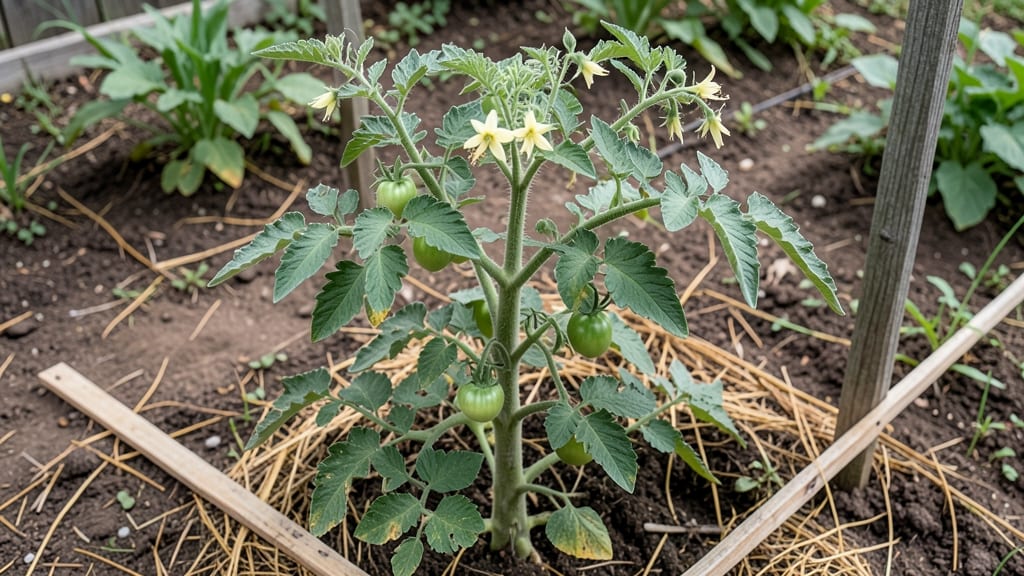
Controlling your 🍅 tomato plant height is the difference between a garden full of sprawling vines and a tidy, high-yielding harvest.
If your tomato plants are growing wild—either sprawling uncontrollably or shooting up too fast—you’re missing out on bigger yields, healthier plants, and a garden that’s easier to manage. The secret lies in strategic pruning, but doing it wrong can backfire.
Whether you’re growing compact bush varieties or towering indeterminate giants, understanding how sunlight, variety, and pruning techniques work together will transform your harvest. I’ll show you how to keep your plants at the perfect height for your space and goals.
From staking and trellising to knowing when to cut (and when to stop), you’ll learn the simple tricks that make a 5-foot plant produce like a 10-foot monster—without the chaos.


How to prune indeterminate tomatoes for controlled height growth
Indeterminate tomato varieties like 'Sungold' or 'Brandywine' can grow 10+ feet tall without control, creating a tangled mess in your garden. The key to managing their height lies in strategic pruning—removing the right stems at the right time to redirect energy toward fruit production and structural stability.
When done correctly, pruning also improves air circulation, reducing disease risk and making harvesting easier.
Unlike determinate tomatoes, which grow to a fixed height and stop, indeterminate varieties keep growing and producing fruit all season long. This means your pruning strategy must evolve as the plant matures.
Start early by removing suckers (the small shoots that form in the leaf axils) and focus on training the main stems to grow vertically. Without pruning, these plants waste energy on excessive foliage instead of developing large, flavorful tomatoes.
Why prune? Proper pruning can increase yields by 30-50%, improve fruit quality, and make your plants more wind-resistant. It also simplifies harvesting and reduces the risk of blight and other fungal diseases that thrive in dense foliage. For tall varieties like 'Cherokee Purple', pruning is essential to prevent stems from snapping under their own weight or in storms.
Here’s how to prune indeterminate tomatoes for controlled height growth, step by step:
Suckers are the small shoots that grow in the leaf axils (where a leaf meets the stem). These compete with your main stems for nutrients. Use your fingers to gently pinch them off when they’re 1-2 inches long.
Start pruning when your plant is 12-18 inches tall. Remove suckers weekly to keep the plant focused on vertical growth. Aim to leave 1-2 main stems for large varieties and 3-4 stems for smaller ones like 'Sungold'.
Use a trellis, cage, or stakes to guide the main stems upward. Tie stems loosely with soft plant ties or old fabric strips every 12-18 inches to prevent wind damage. Avoid wire or anything that can girdle the stems.
Remove lower leaves (up to 18 inches from the ground) to improve air flow and reduce soil-borne disease. This also helps prevent blossom end rot by keeping the fruit cluster elevated and dry.
Stop pruning suckers once your plant reaches your desired height (typically 6-8 feet). Focus on removing only diseased or shaded leaves to maintain energy flow to the fruit. Over-pruning late in the season can reduce yield.
For varieties like 'Brandywine', add additional support mid-season if stems sag. Use wooden stakes or bamboo poles tied securely to the trellis. This prevents stems from snapping and ensures continuous fruit production.
One of the biggest mistakes gardeners make is pruning too aggressively, which can stress the plant and reduce fruit set. For indeterminate tomatoes, the goal is to shape, not trim excessively.
Focus on removing only the suckers and lower leaves, while preserving the plant’s ability to photosynthesize and produce fruit. If you notice your plant looking leggy or overgrown, it’s a sign you’ve pruned too much.
Timing is everything when it comes to pruning. Avoid cutting stems during hot afternoons or humid conditions, as this can increase the risk of disease entry points. Early morning is the best time to prune, allowing wounds to dry out and heal quickly.
Always use clean, sharp pruners to make clean cuts and reduce the risk of infection. Disinfect your tools with rubbing alcohol between cuts to prevent spreading pathogens.
For varieties like 'Sungold', which are known for their prolific fruiting, you might need to prune even more aggressively to manage height while maintaining yield. These cherry tomatoes can produce hundreds of fruit per plant, so pruning helps ensure each tomato gets enough nutrients and sunlight.
If you’re growing in a container, prune more conservatively to avoid overcrowding, as potted plants have limited space for recovery.
Remember, the height of your indeterminate tomato plant isn’t just about aesthetics—it’s about optimizing fruit production. By following these steps, you’ll create a stronger, healthier plant that produces larger, tastier tomatoes while staying manageable in your garden.
Start early, stay consistent, and enjoy the rewards of a well-pruned tomato plant! 🌱
Best pruning methods for determinate tomatoes to keep them compact
Determinate tomatoes like 'Roma' or 'Celebrity' grow to a predictable height—usually 3-4 feet—and produce fruit all at once. Unlike their tall, sprawling indeterminate cousins, these bushy varieties thrive with minimal pruning.
The key is a single strategic cut: removing the suckers (those little shoots between the main stem and branches) to improve air circulation and reduce disease risk. Over-pruning can stress the plant, while no pruning at all may lead to crowded foliage and smaller fruit.
Most gardeners make the mistake of thinking determinate tomatoes need aggressive pruning like indeterminate types. In reality, these compact varieties are bred to self-support their fruit load without extra intervention.
The one exception is removing suckers that grow below the first flower cluster—these compete for energy and can stunt fruit development. Focus on health over height; determinate tomatoes prioritize yield over vertical growth.
Tomato Plant Height Comparison: Pruning Styles for Determinate Varieties
| Pruning Style | Plant Height Impact | Yield Effect | Disease Risk |
|---|---|---|---|
| No Pruning | Natural 3-4 ft height | Slightly reduced due to crowded foliage | Moderate (poor airflow) |
| Light Pruning (Remove suckers below first flower) | 3-4 ft (slightly bushier) | Optimal yield (better energy focus) | Low (improved air circulation) |
| Aggressive Pruning (Heavy suckers removal) | 2-3 ft (compact but stressed) | Reduced (plant focuses on recovery) | High (over-pruning weakens plant) |
Best practice: Stick to light pruning for determinate varieties to balance height, yield, and health.
For light pruning, use clean, sharp bypass pruners to snip suckers at a 45-degree angle just above a leaf node. Avoid tearing the stem, which can introduce disease pathogens. Time your cuts for morning hours when the plant is hydrated and wounds can heal faster.
If you notice yellowing leaves or stunted growth after pruning, you’ve likely gone too far—determinate tomatoes are resilient but not indestructible.
One common misconception is that pruning determinate tomatoes will make them grow taller. In reality, these varieties are genetically programmed to stop growing once they reach maturity.
Instead of height control, focus on fruit quality: prune to remove any leaves touching the soil (to prevent rot) and thin clusters to 6-8 tomatoes per truss. This ensures each fruit gets enough nutrients to reach its full flavor potential.
If your determinate tomatoes are already top-heavy with fruit, consider adding a cage or stake for support. Unlike indeterminate types, these don’t need extensive training, but a little extra structure can prevent stem breakage during heavy rains or wind.
Mulch around the base with straw or grass clippings to retain moisture and discourage weeds—this indirect care often does more for yield than aggressive pruning ever could.
Remember, the goal with determinate tomatoes isn’t to control height but to optimize fruit production. A well-pruned 'Roma' plant will give you 30-40 pounds of sauce tomatoes on a 3-foot frame, while an over-pruned one might struggle to produce half that.
Keep it simple: one cut, one goal—healthier plants, happier harvests.