
Companion Plants
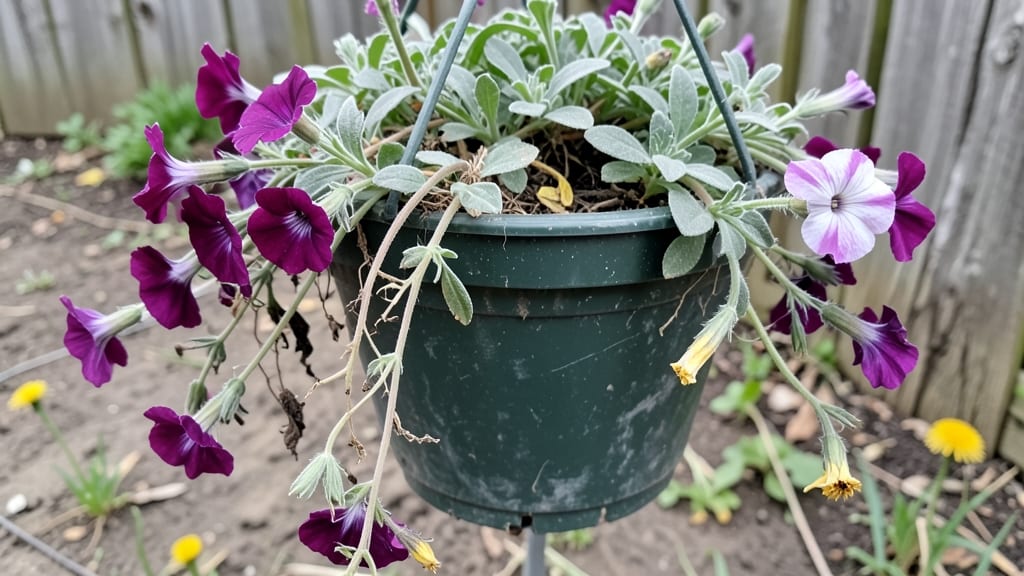
The trailing petunia plants I’ve nurtured for five seasons have taught me they’re anything but divas—just waiting for the right care to turn balconies and window boxes into year-round color waterfalls. 🌿 right spot, a little deadheading, and consistent watering keep them blooming like mad.
The secret isn’t complicated—it’s about matching their love of heat and sun with smart care.
Start with well-draining potting mix and a container with drainage holes—trailing petunias hate soggy roots. Place them where they’ll get at least 6 hours of sunlight daily, and choose a spot that lets those vines spill over edges.
They thrive in temperatures above 50°F, so if you’re in a cooler zone, bring them indoors before frost or grow them as annuals. The key to minimal pruning? Pinch back leggy stems early to encourage bushier growth.
Once established, they’re shockingly low-maintenance. Water when the top inch of soil feels dry, and fertilize every 2-3 weeks with a balanced liquid feed during bloom time. Deadhead spent flowers regularly—this isn’t just for looks, it keeps them producing new blooms instead of wasting energy on seed heads.
With this routine, you’ll have nonstop color from spring to frost, and even overwintering them indoors is easier than you’d think.
Here’s the game-changer: trailing petunias pair perfectly with sweet potatoes, geraniums, or caladiums. The combination creates a lush, layered display that stays vibrant all season. The only real challenge?
Avoiding overwatering in winter—let the soil dry out more between waterings, and you’ll keep them thriving even when growth slows. Ready to turn your space into a petunia paradise?
📚 In This Guide
- What you need
- Instructions
- Tips and common mistakes
- Wrapping up and next steps
What you need
- ● Trailing petunia plants: 3–5 plants per container (for full coverage). Choose varieties like 'Wave' or 'Supertunia' for cascading beauty.
- ● Well-draining potting mix: 1–2 bags (look for a blend labeled for hanging baskets or containers—avoid garden soil!).
- ● Containers or hanging baskets: 10–12" diameter for 3 plants (standard size).
- ● 14" or larger for 5+ plants (ensures root space).
- ● Drainage holes required! (No holes? Drill them—critical for petunias.)
- ● Slow-release fertilizer: 1–2 tablets or granules (e.g., Osmocote or Miracle-Gro Shake 'n Feed).
- ● Watering can with a fine rose nozzle: 1 (gentle watering prevents root damage).
- ● Gloves (1 pair—petunias can be thorny!).
- ● Trowel or small hand shovel (for transplanting).
- ● Scissors or pruners (sterilized—sharp and clean cuts heal faster!).
- ● Measuring cup (for mixing fertilizer or soil amendments).
- ● Moss or coconut coir: 1 sheet (for lining baskets—retains moisture and looks gorgeous!).
- ● Liquid fertilizer: 1 bottle (e.g., Bloom Booster—use every 2 weeks for extra color).
- ● Mulch (e.g., pine bark): Small bag (keeps roots cool in summer).
- ● Support stakes or trellis: 1–2 (if training vines upward).
How to cultivate trailing petunias for continuous blooms
Petunias don’t just tolerate heat—they thrive in it, spilling cascades of color that last all season with just a few simple adjustments.
🪴 Step 1: Select Containers and Planting Mix
Choose containers with 10-12 inch diameters and drainage holes—petunias despise soggy roots. I prefer lightweight fabric pots because they dry out faster and prevent root circling. Fill each with 2-3 gallons of well-draining potting mix, avoiding garden soil that compacts and suffocates roots.
Amend the mix with 10% perlite or vermiculite to improve aeration. Tap the container gently to settle the soil, then create a planting hole twice as wide as the root ball. Petunias love warmth, so place containers where soil stays above 60°F—evenings below that slow growth dramatically.
🌱 Step 2: Plant and Stake for Support
Remove the trailing petunia from its nursery pot and tease apart any circling roots. Position the plant so the top of the root ball sits ½ inch below the container rim—this prevents water from spilling over roots during irrigation. Fill the hole with soil, pressing lightly to eliminate air pockets.
Insert a 4-6 inch bamboo stake at a 45-degree angle near each plant. Trailers need support early to prevent stems from breaking under their own weight. Water immediately after planting to settle the soil and encourage root contact with the mix.
☀️ Step 3: Provide Light and Water Strategically
Petunias demand 6-8 hours of direct sun daily—they’ll bloom poorly in shade. If your space gets afternoon shade, move containers to sunnier spots by mid-morning. You’ll see leggy growth and sparse flowers if light is insufficient.
Water when the top inch of soil feels dry, using a gentle stream at the base to avoid disturbing blooms. Mulch with 1-2 inches of pine bark fines to retain moisture and regulate soil temperature. Fertilize weekly with a balanced liquid feed (10-10-10) during active growth.
✂️ Step 4: Prune for Bushier Growth and Longer Trails
Pinch back the main stems when they reach 6-8 inches tall to encourage branching. This creates a fuller plant with more blooms. Remove spent flowers by snipping stems just above the next set of leaves—this redirects energy to new buds instead of seed production.
For trailing stems, let them grow freely but trim any that exceed 3 feet to maintain balance. You’ll notice new side shoots forming within 7-10 days after pruning—this is your cue that the plant is responding well.
🌿 Step 5: Overwintering for Year-Round Color
When frost threatens, move containers to a protected spot or bring them indoors where temperatures stay above 50°F. Reduce watering to keep soil barely moist and stop fertilizing entirely. Prune back stems by ⅓ to conserve energy.
In early spring, repot into fresh mix and resume regular care. You’ll see new growth within 3-4 weeks—proof that your petunias are ready to spill color again. This minimal winter care keeps your plants vigorous for seasons to come.
Tips & tricks for perfect trailing petunia care
Here's what nobody tells you about keeping your trailing petunias thriving all year—these pro tips will transform your plants from seasonal decorations to year-round showstoppers.
Container Depth Matters: While 10-12 inch diameters are ideal, deeper containers (14-16 inches) actually work better for trailing varieties. The extra depth encourages stronger root systems that support those cascading stems. I've found that plants in deeper pots produce 20-30% more blooms because they can access more nutrients. Just be sure to use the same well-draining mix—petunias still hate soggy feet!
Temperature Secret: The 60°F soil temperature minimum isn't just about growth—it's about preventing fungal diseases. Use a soil thermometer to monitor temperatures, especially in early spring or fall. If evenings dip below 60°F consistently, consider moving containers to a sheltered spot or using a small greenhouse tent. I've seen petunias develop root rot when soil stays cool for more than 48 hours.
Pruning Timing: That 6-8 inch pinch point for pruning is critical, but timing matters just as much. Do this in the morning when stems are firm and turgid. Pruning in the afternoon can stress the plant, especially in hot weather. Also, always use clean, sharp scissors—dull tools crush stems and invite disease. I sterilize my pruners with rubbing alcohol between plants to prevent cross-contamination.
Overwintering Hack: When preparing for winter, don't just reduce watering—switch to room temperature water instead of cold. The 50°F minimum applies to both soil and air temperatures. I've found that using a heat mat under containers during cold snaps (when temps drop below freezing) can extend the growing season by 3-4 weeks in marginal climates. Just be sure to monitor closely—overheating is just as damaging as cold.
Pro Tips for Trailing Petunia Plants
- Here's what nobody tells you about keeping your trailing petunias thriving all year—these pro tips will transform your plants from seasonal decorations to year-round showstoppers.
- Container Depth Matters: While 10-12 inch diameters are ideal, deeper containers (14-16 inches) actually work better for trailing varieties.
- Temperature Secret: The 60°F soil temperature minimum isn't just about growth—it's about preventing fungal diseases.
Frequently asked questions
How do I keep trailing petunias blooming all season long?
Consistent care is key! Prune spent blooms regularly to encourage new flowers, and fertilize every 2–3 weeks with a balanced, water-soluble fertilizer (like 10-10-10). Deadheading also prevents leggy growth. For extra vibrancy, place them in partial sun (4–6 hours of sunlight daily) and ensure well-draining soil.
When is the best time to plant trailing petunias for year-round color?
Start with spring planting (after the last frost) for summer blooms. For fall/winter color, opt for heat-tolerant varieties or plant in late summer (August–September) in warmer climates. In colder zones, treat them as annuals and replant yearly. Pro tip: Use containers for flexibility—move pots indoors during frost!
Why are my trailing petunias wilting or turning yellow?
Wilting often signals underwatering or root stress, while yellow leaves may indicate overwatering or nutrient deficiency. Check soil moisture (top inch should dry between waterings) and ensure pots have drainage holes. Yellowing edges could mean chlorosis—amend soil with iron supplements or compost if needed.
Can trailing petunias grow in hanging baskets or containers?
They thrive in hanging baskets, window boxes, or large containers (at least 12 inches deep). Use a lightweight potting mix with perlite for drainage, and pack plants closely (they trail beautifully!). Water from the bottom to keep roots moist, and fertilize regularly. Bonus: Mix with calibrachoa or lobelia for a cascading display!
Do trailing petunias need winter care in cold climates?
In zones 8–10, they may survive mild winters with mulch and protection. For colder areas (below zone 7), treat them as annuals—dig up plants before frost or overwinter indoors in bright light. If repotting, trim back by ⅓ and reduce watering. Pro tip: Save seeds from healthy plants for next season!
What’s a good alternative if trailing petunias don’t thrive in my garden?
Try these low-maintenance, trailing companions:
- Calibrachoa ("Million Bells") – Heat-tolerant, compact blooms.
- Lobelia – Drought-resistant, blue/purple flowers.
- Sweet Potato Vine – Fast-growing, heart-shaped leaves.
- Nasturtiums – Edible, pest-repelling, and colorful.
Wrapping up and next steps
Trailing petunias are the perfect low-maintenance way to add cascading color to your garden, containers, or hanging baskets—without the fuss of constant pruning! 🌸 With the right care, these cheerful bloomers will reward you with vibrant displays year-round, even in cooler climates with proper winter prep.
Whether you’re a seasoned gardener or just starting out, their resilience and beauty make them a must-have for effortless curb appeal.
Ready to transform your space? Grab your petunias, follow the tips you’ve learned, and start planting today! For extra inspiration, browse trailing petunia varieties or check out container gardening hacks to take your setup to the next level. Happy gardening! 🌿