
Companion Plants
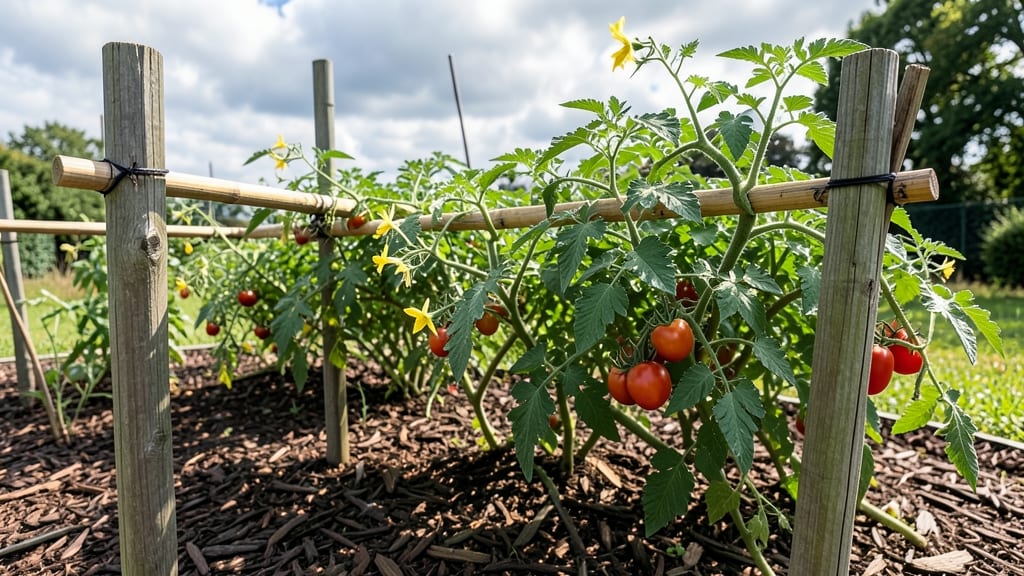
Trailing tomato plants turn small spaces into productive cascades of fruit. 🌿 The right varieties—like 'Cherry Trail' or 'Tumbling Tom'—spill over containers, trellises, and vertical gardens, turning ordinary spots into lush, edible waterfalls.
My first basket of trailing tomatoes last summer looked like a red velvet curtain, and the flavor? Unmatched by any store-bought variety.
These plants thrive in 5-6 hours of sunlight daily and need well-draining soil mixed with compost for that extra boost. The real magic happens with support—hanging baskets, obelisks, or sturdy trellises keep vines from sprawling while maximizing space.
Pruning isn’t just about shape; it’s about directing energy into fruit production, not endless vines.
You’ll harvest earlier and more consistently than with bush varieties, thanks to their compact growth habit. Imagine plucking ripe tomatoes from a hanging basket while sipping morning coffee—no bending, no reaching.
The key is consistent watering (keep soil moist but not soggy) and a balanced fertilizer to fuel those heavy fruit loads.
Perfect for balconies, patios, or even small backyards where space is tight. These plants also double as living decor, adding color and texture to any setting. Let’s get those vines trailing—and your harvests soaring!
📚 In This Guide
- What you need
- Instructions
- Tips and common mistakes
- Wrapping up and next steps
What you need
- ● Trailing tomato varieties: 3–5 plants (e.g., 'Cherokee Purple,' 'Brandywine,' or 'Sweet Million'—choose determinate or semi-determinate types for trailing growth).
- ● Containers or growing space: Containers: 5–10 gallon pots (one per plant) with drainage holes.
- ● Ground planting: Well-draining soil in a sunny spot (6+ hours of light daily).
- ● Potting mix: High-quality, well-draining blend (e.g., 60% compost, 30% coconut coir, 10% perlite). ~5–10 gallons per plant.
- ● Support system: Trellis, obelisk, or sturdy stakes (4–6 ft tall).
- ● Garden twine or soft plant ties (for securing vines).
- ● Fertilizer: Balanced organic fertilizer (10-10-10 or compost tea) or slow-release tomato-specific granules.
- ● Mulch: Straw or shredded leaves (2–3 inches) to retain moisture.
- ● Hand trowel or small shovel for planting.
- ● Watering can or hose with a gentle spray nozzle.
- ● Pruning shears (for trimming suckers and dead leaves).
- ● Cage or wire mesh (to deter pests like squirrels or birds).
- ○ Drip irrigation kit (optional but ideal for consistent moisture).
- ● Epsom salt (1 tbsp per plant monthly for magnesium boost).
Step-by-Step instructions for growing trailing tomato plants
Here’s how to coax those sprawling, fruit-laden vines into thriving powerhouses—no trellis required.
🌱 Step 1: Select and Prepare the Right Varieties
Choose indeterminate tomato varieties bred for trailing, like ‘Sweet Million,’ ‘Tumbling Tom,’ or ‘Black Cherry.’ These types grow 6-10 feet long and produce continuously until frost. Start with 4-6 plants spaced 18-24 inches apart in a raised bed or large container—they need room to sprawl without competing.
If transplanting, select sturdy 1-gallon seedlings with thick stems and compact foliage. Avoid leggy plants—they’ll never recover. Gently tease apart root balls to encourage outward growth before planting. Here’s the thing: trailing tomatoes hate disturbance, so handle them like delicate glass vines.
🪴 Step 2: Plant in Well-Draining, Nutrient-Rich Soil
Amend your native soil (or use potting mix for containers) with 3-4 inches of compost and a handful of balanced 10-10-10 fertilizer per plant. Trailing tomatoes thrive in loose, airy soil—they’ll reward you with heavier yields if roots can spread freely. Dig a hole twice as wide as the root ball to encourage outward growth.
Place each plant no deeper than its original soil line—burying stems too far invites rot. Water deeply right after planting to settle soil around roots. You’ll know it’s right when water puddles slightly at the surface but doesn’t pool. Mulch with 2-3 inches of straw to retain moisture and suppress weeds—this is non-negotiable for trailing plants.
☀️ Step 3: Train Vines to Spread Strategically
Let the first 12-18 inches of vine grow unrestrained to establish a strong base. Once it reaches 4-6 leaves, gently weave the tip around a low wire or stake (like a 6-inch tall hoop) to guide growth outward. This prevents vines from piling up and rotting. I promise, no pruning yet—let those first suckers (side shoots) form naturally.
When vines hit 3 feet long, start pinching off the topmost leaves to encourage horizontal growth. Watch for small fruit clusters—these are your signal to stop pruning. Trailing tomatoes bear fruit along the entire vine, so the goal is maximum surface area for sunlight exposure. If a vine flops, prop it up with a small rock or stake—just don’t cut it.
💧 Step 4: Water and Feed for Continuous Production
Water deeply 2-3 times per week, aiming for 1-2 inches of moisture per session. Trailing tomatoes hate wet foliage, so water at the base—never overhead. You’ll see wilting leaves by late afternoon on hot days; that’s normal. Morning watering prevents fungal issues like blight, which trailing plants are prone to.
Fertilize every 3-4 weeks with a low-nitrogen, high-phosphorus formula (like 5-10-10) to boost fruiting. Stop fertilizing 4-6 weeks before frost—you want the plant to focus on ripening existing fruit, not new growth. Here’s the trick: side-dress with compost mid-season to replenish nutrients without shocking the plant.
✂️ Step 5: Harvest and Prune for Next Season’s Growth
Pick fruit when fully colored (not green) to encourage more production. Trailing tomatoes keep bearing until frost—don’t let them overripe on the vine. Use pruning shears to snip stems just above a leaf node to prevent disease entry. After the first hard frost, cut vines back to 6 inches and compost them—never discard them in the trash.
If you’re in a warm climate, let one vine overwinter in a protected container—it’ll produce early next season with minimal effort. In colder zones, save seeds from your best tomatoes for next year’s plants. Real talk: trailing tomatoes are lazy—they’ll sprawl and fruit if you give them space, water, and patience.
Tips & tricks for perfect trailing tomato plants
Here's what I've learned after years of growing trailing tomatoes—these tricks will help you avoid common pitfalls and maximize your harvest.
Variety Matters: In Step 1, when selecting your indeterminate varieties, pay special attention to disease resistance labels. Varieties like 'Sweet Million' are bred for both trailing growth AND resistance to common tomato diseases like fusarium wilt. I've found that disease-resistant trailing tomatoes produce fruit consistently for all three seasons, while regular varieties often falter in the second year.
Soil Preparation Secret: For Step 2, don't just add compost—work it deeply into your native soil or potting mix. The goal is to create a loose, aerated medium where roots can spread horizontally. I mix in a handful of perlite or coarse sand with my compost to improve drainage, especially in containers. This prevents the root-bound issues that trailing tomatoes are prone to when roots can't expand freely.
Training Technique: When you reach Step 3 and begin training your vines, use soft garden twine or even old pantyhose to gently weave around your stakes. This creates a gentle guiding system that prevents stem damage. I've ruined more vines than I can count by using stiff wire or trying to force them through rigid hoops. The key is to let the vine grow toward your guide, not against it.
Watering Wisdom: In Step 4, the 2-3 times per week guideline is perfect for most climates, but there's a trick to make it work better: always water in the morning and aim for the base of the plant. I use a soaker hose or drip irrigation system to deliver water directly to the roots. This prevents fungal diseases that trailing tomatoes are particularly susceptible to, and it keeps the foliage dry which is crucial for preventing blight.
Pro Tips for Trailing Tomato Plants
- Here's what I've learned after years of growing trailing tomatoes—these tricks will help you avoid common pitfalls and maximize your harvest.
- Variety Matters: In Step 1, when selecting your indeterminate varieties, pay special attention to disease resistance labels.
- Soil Preparation Secret: For Step 2, don't just add compost—work it deeply into your native soil or potting mix.
Frequently asked questions
Got questions about trailing tomato plants?
You’re not alone! Here are answers to the most common queries—from pruning to pests and everything in between.
What’s the best time of year to plant trailing tomato varieties?
For most climates, plant trailing tomatoes after the last frost when soil temps hit 60°F (15°C). In warmer zones, start seeds indoors 6-8 weeks before the last frost and transplant seedlings when they’re 6-8 inches tall. Late summer plantings may yield smaller harvests, but they still thrive with proper care!
How often should I prune trailing tomato plants?
Prune regularly (every 1-2 weeks) to encourage airflow and fruit production. Remove suckers (shoots in the leaf axils) and lower leaves touching the soil. For indeterminate trailing varieties, prune 1/3 of the plant to redirect energy to fruit growth. Pro tip: Use clean, sharp shears to avoid disease spread!
What are the most common pests for trailing tomatoes, and how do I prevent them?
Watch for hornworms, aphids, and whiteflies. Handpick hornworms (they’re easy to spot!) and spray neem oil for aphids. Prevent pests with:
- Companion planting (basil, marigolds, or nasturtiums deter pests).
- Row covers for young plants.
- Drip irrigation (keeps foliage dry, reducing fungal issues).
Can I grow trailing tomatoes in containers? What’s the best setup?
Use a 5-gallon+ container with drainage holes and a balanced fertilizer (like 10-10-10). Trail varieties like ‘Sweet Million’ or ‘Super Marcher’ thrive in pots. Add cactus soil mix for better drainage and stake or use a tomato cage to support vines. Rotate containers weekly for even sunlight exposure!
Why are my trailing tomato fruits cracking? How can I fix it?
Cracking usually happens due to uneven watering or rapid growth from inconsistent moisture. To prevent it:
- Water deeply 1-2 times weekly (aim for 1-2 inches per week).
- Avoid overhead watering (use drip irrigation or soaker hoses).
- Mulch heavily to retain moisture and reduce stress.
Wrapping up and next steps
Growing trailing tomato plants is a rewarding adventure that transforms your garden into a lush, productive paradise—all in just three seasons! 🌱 With the right companion plants, pruning techniques, and care, you’ll enjoy vines that sprawl beautifully and harvests that keep coming.
Whether you’re a seasoned gardener or a curious beginner, these tips will help you cultivate thriving, vine-covered tomatoes that turn heads and taste even better.
Now that you’re armed with the know-how, roll up your sleeves and get planting! Start small with a single trailing variety, experiment with companion plants, and watch your garden flourish. Happy gardening—and may your tomatoes be plentiful! 🍅✨