
Watering
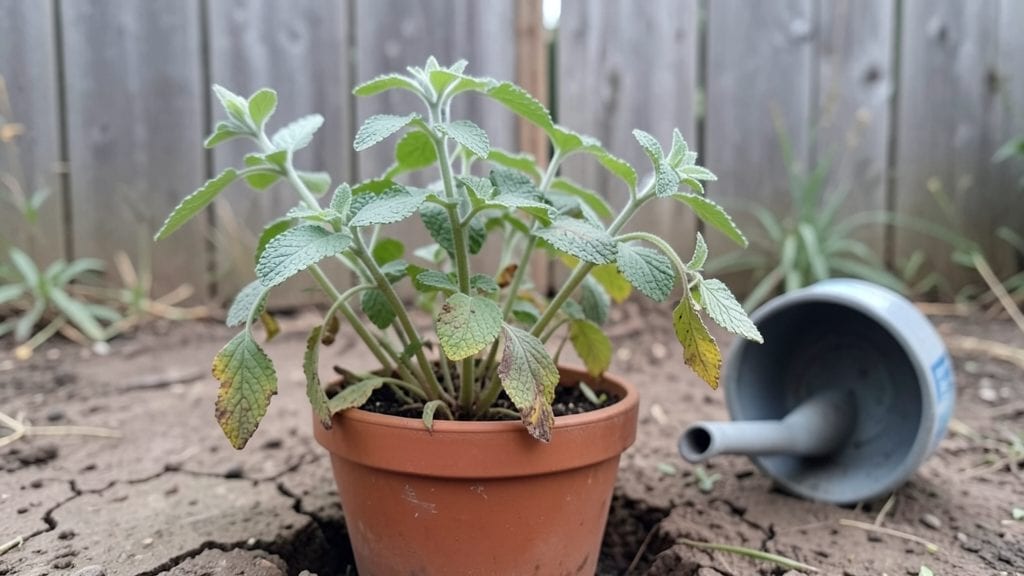
An underwatered mint plant—wilted, crispy, and begging for a drink—can bounce back faster than you’d expect with just three simple fixes. 🌿 to bring it back to life. The key isn’t just watering more, but understanding how mint drinks and when it’s really in trouble.
The first clue is those brittle leaves—yellowing at the edges or curling like parchment. Mint roots are shallow and aggressive, so they need consistently moist soil, not soggy or bone-dry conditions. Most people overcorrect by drowning the plant, which actually suffocates those roots faster.
Instead, we’re talking about a daily check of the top inch of soil and a watering routine that keeps it damp like a wrung-out sponge.
Within 24-48 hours of proper watering, you’ll see the leaves perk up and new growth push out. Trim any blackened stems at the base—those are the rot warnings—and repot if the soil’s compacted.
Prevent future wilting by keeping mint in a container with drainage holes and moving it to partial shade if your climate hits 90°F regularly.
This method works for both potted and in-ground mint, though container plants need more frequent attention. The secret? Mint hates extremes—give it steady moisture, good airflow, and you’ll have lush, fragrant stems all season long. Let’s get that plant back to thriving.
Root Causes Of Mint Stress
Underwatered mint isn’t just about forgetting to water—it’s often a mix of environmental, soil, and human factors working against your plant. Let’s break down the real culprits behind wilting, yellowing, or crispy leaves in your mint, so you can fix them fast.
Mint thrives in cool, moist soil, but when temperatures rise (or your pots overheat), water evaporates faster than roots can absorb it. Here’s why this happens:
- Direct sunlight exposure: Mint prefers partial shade (3–6 hours of morning sun max).
Full sun bakes the soil, turning it into a dry, cracked desert. 🌞→🔥 - Fix: Move pots to a shadier spot or use lightweight shade cloth (30–50% coverage). - Black or dark containers: Dark pots absorb heat like a solar panel, accelerating moisture loss.
Even in cool climates, this can dehydrate roots overnight. - Fix: Switch to white, terracotta, or reflective pots to reduce heat absorption. - Poor airflow: Stagnant air traps heat, especially in dense foliage.
Mint’s broad leaves cast shade on lower stems, creating a greenhouse effect. - Fix: Prune crowded growth and space plants 12–18 inches apart.
Mint loves rich, well-draining but moisture-retentive soil. If your mix is too sandy or pebbly, water rushes through before roots drink up:
- Lack of organic matter: Pure sand or cactus soil lacks humus (decayed plant material) to hold water.
Mint roots struggle to access moisture between waterings. - Fix: Amend soil with 20–30% compost or coco coir to improve water retention. - No mulch layer: Mulch (straw, shredded leaves, or bark) acts like a moisture blanket, slowing evaporation.
Without it, topsoil dries out in hours. - Fix: Apply 1–2 inches of organic mulch around (not touching) the stems. - Over-potted with perlite/pumice: While these help drainage, too much (50%+) turns soil into a sieve.
Mint roots need some water resistance to absorb nutrients. - Fix: Use a 60/40 mix of potting soil to organic matter (e.g., compost or peat moss).
Even the best soil can fail if watering habits are off. Common pitfalls:
- Inconsistent watering: Mint roots are shallow (top 4–6 inches of soil).
Skipping waterings lets the root zone dry out completely, shocking the plant. - Fix: Water when the top 1 inch of soil feels dry (stick your finger in—no guesswork!). - Surface-level watering: Pouring water on leaves or just the topsoil doesn’t reach roots.
Mint’s fibrous roots need deep hydration. - Fix: Water slowly at the base until it drips from drainage holes (1–2 minutes per pot). - Using hard or salty water: Chlorine, fluoride, or mineral buildup in tap water can clog soil pores, reducing water absorption. - Fix: Let tap water sit 24 hours before using, or switch to rainwater or filtered water.
When roots can’t access water or oxygen, they shrink or rot, both of which mimic underwatering symptoms.
- Root-bound pots: Mint grows aggressively—if roots circle the pot or hit the sides, they strangle themselves, reducing water uptake. - Fix: Repot every 6–12 months in a container 2–3 inches larger (or trim roots if overcrowded). - Compacted soil: Heavy foot traffic, pressing pots together, or poor soil structure crushes pores, limiting water flow. - Fix: Gently aerate soil with a fork or add vermiculite (5–10%) to loosen it. - Fungal blockages: Overwatering (then drying out) can lead to root rot, which clogs roots with gunk.
Even if you stop overwatering, the damage persists. - Fix: If roots smell sour or are mushy, trim blackened roots and repot in fresh, sterile soil.
Mint is tough, but it’s not a cactus. Wind, humidity swings, and poor humidity can dry it out faster than you think.
- Low humidity: Air dryness (common in homes with AC or heaters) pulls moisture from leaves before roots can replenish it. - Fix: Increase humidity with a pebble tray (water + stones under the pot) or a humidifier. - Strong winds: Outdoor mint in windy areas loses moisture 2–3x faster due to transpiration (leaf evaporation). - Fix: Plant in a sheltered spot or use a windbreak (like a lattice or fence). - Seasonal changes: Winter dormancy or sudden heatwaves can disrupt water needs.
Mint slowly metabolizes in cool weather but demands more in summer. - Fix: Adjust watering frequency by season (e.g., every 2–3 days in summer vs. weekly in winter).
Sometimes, it’s not the plant—it’s the gardener! Here’s where well-meaning habits backfire:
- Using the wrong pot size: Tiny pots dry out in hours, while oversized ones hold too much water, leading to root suffocation.
- Fix: Choose pots 10–12 inches wide for mature mint (or 6-inch pots for starters).
- Ignoring drainage holes: No holes = waterlogged roots (which then rot and mimic underwatering).
- Fix: Always drill drainage holes if repotting.
- Over-pruning: Cutting too much foliage reduces the plant’s ability to photosynthesize, slowing water absorption.
- Fix: Prune no more than 1/3 of the plant at a time, and do it after watering.
Pro Tip: 💡 Test your soil’s moisture level with a soil moisture meter—it’s the fastest way to catch underwatering before leaves wilt!
Reviving Your Thirsty Mint Plant
If your mint plant has been neglected and its leaves are drooping like a sad balloon, don’t panic—it’s often just crying out for hydration. The good news? Mint is resilient, and with the right care, you can bring it back to life in no time.
Below, we’ll tackle the most common causes of underwatering and provide practical, step-by-step fixes to restore your mint’s vibrancy. Plus, we’ll share tips to keep it thriving long-term so you never have to play hero again!
Mint plants have shallow roots, so they need consistent moisture—but not soggy soil. If the top inch of soil is dry, it’s time to hydrate deeply.
🔥 Step-by-Step Deep Watering
- 👨🍳 Check Soil Moisture First
- Stick your finger about 1 inch into the soil. If it feels dry, your plant needs water. If it’s damp, wait a day or two before watering again.
- 🥘 Water Slowly and Thoroughly
- Use room-temperature water (cold water can shock the roots).
- Water until it drains out of the bottom of the pot. This ensures the roots get fully saturated.
- ⏰ Drain Excess Water
- Empty the saucer under the pot after 10–15 minutes to prevent root rot.
- 🌱 Repeat Every 2–3 Days (Indoors) or Daily (Outdoors in Heat)
- Mint loves moisture but hates sitting in water. Adjust based on your climate—container plants dry out faster than in-ground ones.
💡 Pro Tip:
- Morning watering is best—it gives leaves time to dry before evening, reducing fungal risks.
Mint is a heavy drinker, but overwatering can be just as harmful as underwatering. Let’s find the sweet spot for your plant’s happiness.
🔧 When to Water: The 1-2 Finger Test
- 📊 Indoor Mint: Water when the top 1–2 inches of soil feel dry (usually every 2–3 days).
- 🌡️ Outdoor Mint: Water daily in hot weather, every other day in cooler conditions.
- ✨ Signs You’re Overwatering:
- Yellowing leaves (especially lower ones).
- Wilting despite wet soil.
- A foul smell from the soil (root rot alert!).
🎯 Prevention Tips for Consistent Moisture
- Use a moisture meter if you’re unsure—no guesswork!
- Group plants together to create a humid microclimate (mint loves companionship).
- Mulch the soil (with pebbles or straw) to slow evaporation.
Even if you’re watering correctly, poor lighting or airflow can stress your mint. Let’s create the perfect conditions for recovery.
🔥 Ideal Light Conditions
- 🌿 Partial Sun to Partial Shade: 4–6 hours of morning sun (afternoon sun can scorch leaves).
- 🏠 Indoors? Place near a bright window (east or north-facing is ideal).
- 🌡️ Too Much Heat? Move it to a cooler spot—mint wilts faster in dry, hot air.
🍳 Airflow Matters
- 💨 Poor circulation? Gently fan the leaves daily to mimic outdoor breezes.
- 🌿 Avoid cramped pots—mint spreads aggressively. Repot if roots are circling the bottom.
💡 Pro Tip:
- Mist leaves lightly in dry climates to boost humidity (mint is a tropical plant at heart!).
If your mint looks completely lifeless (crispy leaves, dry stems), it might need a full reset.
🔪 Step-by-Step Rescue Plan
- 🌱 Trim the Damage
- Snip off any brown, mushy, or crispy leaves with clean scissors.
- 💦 Soak the Roots
- Place the pot in a shallow tray of water for 15–30 minutes to rehydrate roots.
- 🌿 Repot if Necessary
- If soil is compacted or diseased, transfer to fresh potting mix (use a well-draining blend).
- 🌱 Give It a New Home
- Move to a shadier spot for a week to reduce stress while it recovers.
⏰ Recovery Timeline
- 1–3 days: Leaves may droop but should perk up as they rehydrate.
- 1 week: New growth should emerge if roots are healthy.
- 2+ weeks: If no improvement, the plant may be beyond saving—start fresh with a cutting!
Now that you’ve revived your mint, let’s keep it thriving with these easy maintenance habits:
- 📅 Watering Schedule: Stick to the 1–2 finger test—consistency is key!
- 🌿 Prune Regularly: Trim leaves frequently to encourage bushier growth (and prevent overcrowding).
- 🌱 Harvest Wisely: Pinch off stems just above a leaf pair to promote new shoots.
- 🌡️ Watch the Weather: Adjust watering during heatwaves or cold snaps.
With these fixes, your mint should bounce back in days—and you’ll have a lush, fragrant plant ready for teas, cocktails, or garnishes. 🍹🍃 Remember, mint is forgiving, so don’t stress if you slip up. Just listen to the soil, and your plant will thank you with vibrant, aromatic leaves!
Frequently asked questions
How often should I water my mint plant to prevent wilting?
Water mint when the top 1 inch of soil feels dry—usually every 2-3 days indoors or daily outdoors in hot weather. Use the finger test: stick your finger in the soil to check moisture levels. Morning watering works best to reduce evaporation.
Why are my mint leaves turning yellow at the edges?
Yellowing edges often mean underwatering or overwatering. Check soil moisture first—if dry, water deeply. If soggy, let it dry slightly before watering again. Also ensure proper drainage and avoid using hard water, which can cause mineral buildup.
Can I save a mint plant with crispy brown leaves?
Yes! Trim the damaged leaves and soak the pot in water for 15-30 minutes to rehydrate roots. Move to partial shade and water consistently. If roots are mushy, repot in fresh soil. New growth should appear within 1 week if roots are healthy.
What's the best pot material for mint to prevent drying out?
Use terracotta or white pots—they breathe better and reduce heat absorption. Avoid dark containers that bake soil. Add 1-2 inches of mulch to retain moisture, especially in sunny spots.
Is it better to underwater or overwater mint?
Neither! Mint needs consistent moisture—neither bone-dry nor waterlogged soil. Overwatering causes root rot, while underwatering leads to wilting. The key is a balanced approach: water when dry, but ensure drainage.