
Companion Plants
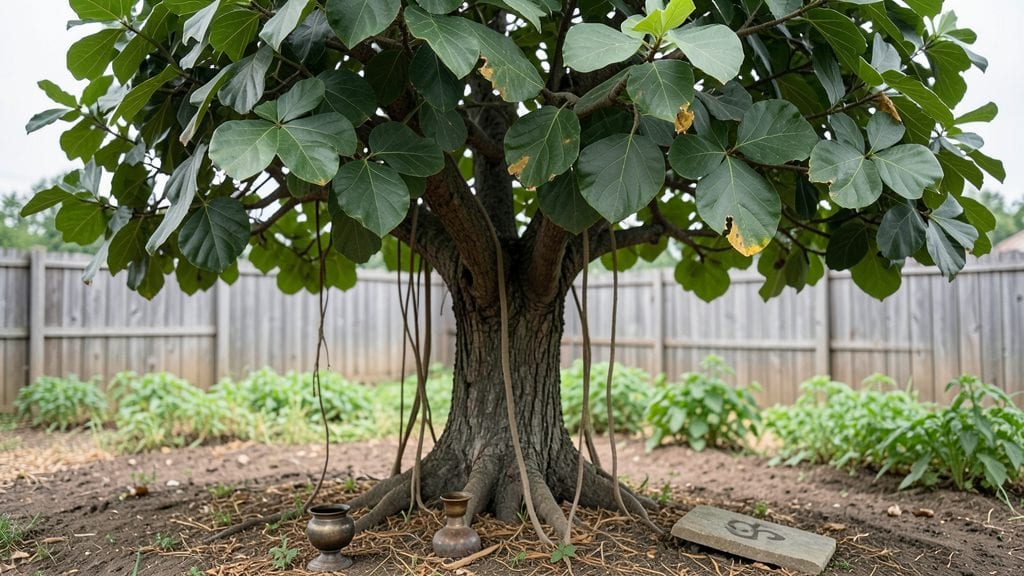
My first Vastu Shastra plants garden transformed my backyard into a serene space where every leaf aligned with energy flows for prosperity and peace. 🌿 peace, and even better health.
I'll show you how to choose plants based on direction and purpose, from wealth-attracting money plants in the southeast to protective neem trees in the north.
The beauty of this system is that you don't need a complete overhaul—just strategic additions. Start with 3-5 key plants placed according to their Vastu properties, and you'll notice subtle shifts in your home's energy within weeks.
For example, a basil plant in the northeast corner enhances positivity, while a banyan tree in the southwest brings stability. The layout works with your existing space rather than against it.
You'll end up with a garden that doesn't just look beautiful but actively supports your well-being. Imagine waking up to the scent of fragrant jasmine in the east for mental clarity, or harvesting tulsi (holy basil) that's said to purify the air and attract good fortune.
The plants themselves become living tools for creating harmony at home. Let's bring this ancient wisdom into your modern garden.
This approach works for any yard size—urban balconies, suburban backyards, or rural homesteads. The principles adapt to your space while keeping the cultural significance intact.
Whether you're new to gardening or have years of experience, Vastu Shastra plants offer a fresh way to connect with nature and your home's energy flow.
📚 In This Guide
- What you need
- Instructions
- Tips and common mistakes
- Wrapping up and next steps
What you need
- ● Plants: 1–3 Peepal (Ficus religiosa) (sacred tree for wealth & wisdom)
- ● 1–2 Ashoka (Saraca asoca) (feminine energy & fertility)
- ● 1 Tulsi (Ocimum sanctum) (holy basil for purity & health)
- ● 1 Mango (Mangifera indica) (symbol of growth & abundance)
- ● 1–2 Banyan (Ficus benghalensis) (stability & longevity)
- ● Soil & Fertilizers: 5–10 lbs of organic compost (well-aged, nutrient-rich)
- ● 1 lb of neem cake (natural pest repellent)
- ● 1 lb of vermicompost (for microbial health)
- ● Tools: 1 garden trowel (for digging)
- ● 1 pruning shears (sharp, sterilized)
- ● 1 watering can (5–10 gallons) (or hose with gentle nozzle)
- ● 1 measuring tape (for Vastu-compliant spacing)
- ● 1–2 copper or brass pots (for energy amplification)
- ● Mudras or yantras (small decorative pieces for auspicious energy)
- ● 1 moon sand or red soil (for grounding energy)
- ● Solar-powered garden lights (for nighttime harmony)
How to create a Vastu-Shastra-aligned sacred garden
Here’s how to arrange plants for balance, prosperity, and positive energy in your outdoor space.
🌱 Step 1: Choose Plants Based on Directional Energy
Vastu Shastra assigns specific plants to each cardinal direction to enhance prosperity and harmony. For the north, use money plants like money plant (Pachira aquatica) or basil to attract wealth. In the east, place tulsi (holy basil) or marigolds to invite health and positivity.
For the south, opt for plants like peepal (Ficus religiosa) or drumstick (Moringa oleifera) to ward off negativity. The west benefits from plants like jasmine or ashoka (Saraca indica) for love and relationships. Always ensure plants are healthy and vibrant—wilted or dying plants disrupt energy flow.
🪴 Step 2: Position Plants According to Vastu Principles
Place your main entrance’s plants—like a small neem tree (Azadirachta indica)—on the east or north side of the home to invite positive energy. Avoid placing cactus or thorny plants in the southwest or northwest, as they’re believed to create obstacles. Instead, use calming plants like lavender or aloe vera in these areas.
Keep the center of the garden open and free of dense planting—this represents the heart of your energy flow. A small fountain or decorative stone can enhance this space without blocking the flow. If you must plant, choose low-growing herbs like mint or coriander.
☀️ Step 3: Balance Water and Earth Elements
Vastu emphasizes harmony between water and earth. Place a small water feature (like a shallow fountain) in the northeast corner to attract wealth but avoid overpowering it with large plants. Surround it with earthy plants like snake plant (Sansevieria) or bamboo (Bambusa) to ground the energy.
Never let water stagnate—this creates negative energy. Ensure proper drainage around water features and avoid planting water-loving plants like lotus in dry areas. A well-balanced garden keeps the flow of energy smooth and unobstructed.
✂️ Step 4: Prune and Maintain for Positive Energy
Regularly trim dead or overgrown branches—this keeps energy flowing freely. Prune before dawn when the sun’s energy is freshest. Avoid cutting plants during a full moon or eclipse, as Vastu believes this disrupts their life force. Use clean, sharp tools to prevent disease and negative vibrations.
Fertilize plants with organic compost or cow dung (Gomaya) for added spiritual benefits. Avoid synthetic chemicals, as they’re believed to disrupt the natural energy of the garden. Healthy plants equal a harmonious space.
🌿 Step 5: Enhance with Decorative Stones and Colors
Place crystal quartz or pyrite stones near money plants to amplify wealth energy. Use red or orange pots for the south and white or yellow for the east. Avoid black or dark-colored pots in the northwest, as they’re linked to stagnant energy.
Add small decorative elements like wind chimes (in the east) or hanging crystals (in the north) to enhance positive vibrations. Keep pathways clear—cluttered spaces block energy flow. A well-maintained Vastu garden radiates peace and prosperity effortlessly.
Tips & tricks for perfect sacred garden harmony
Creating a Vastu-aligned garden isn't just about planting—it's about intentional energy flow. Here's what I've learned to maximize positive vibrations in every corner.
Directional Plant Selection: Real talk: not all plants work in every direction. For instance, placing a peepal tree in the east might sound good, but it actually disrupts the health energy that area represents. Stick to the specific plants mentioned for each direction—money plants in north, tulsi in east, peepal in south—that's non-negotiable for proper energy alignment.
Center Space Strategy: The center of your garden should feel like an open heart—no dense planting allowed. I've seen people accidentally create energy blockages by overcrowding this space. Try placing a decorative stone or small fountain instead, which enhances flow without obstructing it. Even if you must plant, keep it minimal with low-growing herbs like mint or coriander.
Water Feature Wisdom: That northeast corner fountain is your wealth magnet, but placement matters. Don't make it too large—it should complement, not dominate. I learned this the hard way when my first fountain looked like it was trying to drain the whole garden. Surround it with earthy plants like snake plant to balance the water element properly.
Pruning Timing: Here's what nobody tells you—pruning at the wrong time can actually weaken your plants' energy. Always do it before dawn when the sun's energy is freshest. I used to prune whenever I felt like it, and my plants never thrived as well. Also, avoid pruning during full moons or eclipses—Vastu says this disrupts the plant's life force.
Pro Tips for Vastu Shastra Plants
- Creating a Vastu-aligned garden isn't just about planting—it's about intentional energy flow.
- Directional Plant Selection: Real talk: not all plants work in every direction.
- Center Space Strategy: The center of your garden should feel like an open heart—no dense planting allowed.
Frequently asked questions
Which Vastu plants are best for beginners?
Start with low-maintenance, fast-growing plants like money plant (Pothos) or peepal tree (Ficus religiosa). These thrive in most conditions, attract positive energy, and are forgiving if you’re new to gardening. Basil and tulsi (holy basil) are also great for wealth and health!
How long does it take to see Vastu benefits?
Results vary, but many notice subtle shifts in energy within 3–6 months of proper placement. For example, a peepal tree in the northeast corner can improve mental clarity faster, while money plants near the southeast may boost finances gradually. Patience and consistency are key—like any spiritual practice!
Can I use artificial plants for Vastu?
While real plants are ideal (they purify air and grow energy), high-quality synthetic plants can work temporarily—especially in offices or rentals. Opt for green, leafy designs (avoid plastic flowers) and place them in Vastu-approved spots like the north or east. Just refresh them seasonally to maintain vibrancy!
What if my plant wilts or dies?
Don’t worry—it’s not a bad omen! Wilting can signal blocked energy or poor placement. Try relocating the plant to a sunnier spot (south or east) or prune it gently to "reset" its energy. Replace it with a new plant if needed, but first, thank the old one and dispose of it respectfully (bury it or compost it).
Are there Vastu plants for specific goals (wealth, love, career)?
Absolutely!
Here’s a quick guide:
| Goal | Best Plant | Ideal Location |
|---|---|---|
| Wealth & Prosperity | Money Plant (Pothos) or Cactus | Southeast corner (wealth zone) |
| Love & Relationships | Rose Plant or Jasmine | West or northwest (relationship zone) |
| Career Growth | Peepal Tree or Banyan Tree | North or northeast (knowledge zone) |
Pro tip: Pair plants with copper or brass pots (for wealth) or white/light-colored pots (for purity) to amplify effects!
Wrapping up and next steps
Incorporating Vastu Shastra plants into your garden isn’t just about aesthetics—it’s a mindful way to invite prosperity, peace, and positive energy into your life. From the peepal tree for wisdom to the money plant for abundance, these sacred companions align your space with nature’s wisdom.
Whether you’re a seasoned gardener or just starting, every small step toward harmony makes a difference!
Ready to transform your space? Start small: Pick one plant from this guide, research its care needs, and plant it with intention. Watch as your garden—and your life—flourishes! 🌱✨