
Pests and Diseases
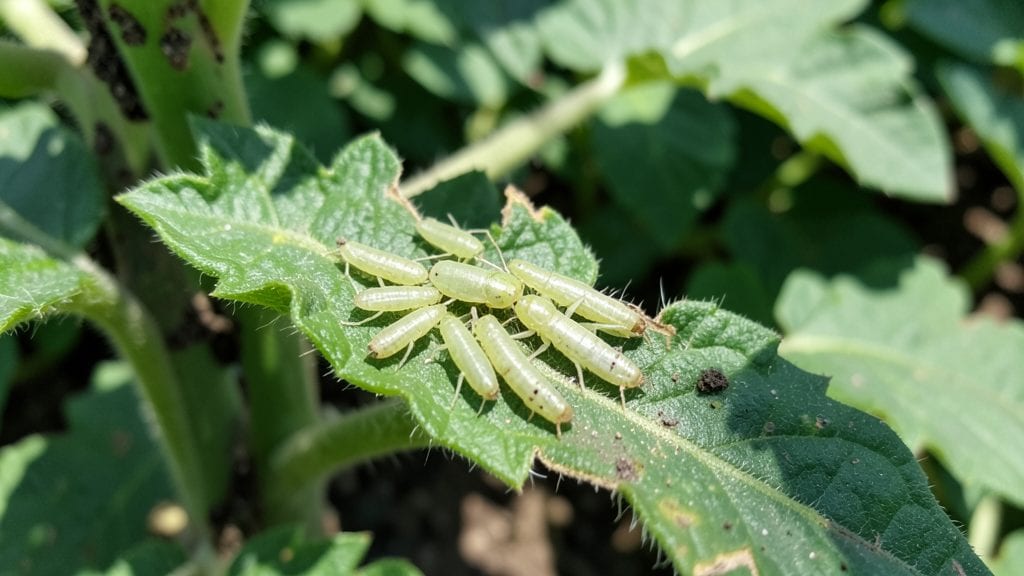
These bugs on tomato plants pictures you’ve spotted might be the key to saving your harvest—here’s how to identify them and fight back. them before they multiply. That's why I'm sharing a visual guide to the most common tomato troublemakers, so you can spot them early and act fast.
From the telltale skeletons left by hornworms to the sticky residue of aphids, each pest leaves clues about how to fight back. My garden journal is full of notes on what worked: neem oil for soft-bodied bugs, handpicking for hornworms, and row covers for prevention.
The key is acting at the first sign of trouble—before the damage spreads.
You'll learn to identify pests by their size, color, and the damage they leave behind, plus organic solutions that actually work. No more guessing whether those holes came from birds or bugs—just clear visuals and straightforward fixes. Let's get those tomatoes back on track!
This guide works for backyard gardens, containers, or raised beds—anywhere tomatoes grow. The same pests show up everywhere, so these tips apply no matter your setup. Grab your magnifying glass and let's solve this together.
Root Causes of Tomato Plant Infestations
Tomato plants are a magnet for pests, but understanding why these critters show up in the first place is half the battle. 🌱🐛 Whether it’s tiny aphids, hungry hornworms, or sneaky spider mites, most infestations stem from a mix of environmental, biological, and human factors.
Below, we break down the key reasons your tomato plants are becoming a pest buffet—and how to address them at the source.
Tomatoes thrive in warm, stable conditions, but sudden shifts or extremes can weaken their defenses, making them prime targets for pests. Here’s how weather plays a role:
- Heat Waves & Drought Stress When temperatures soar above 90°F (32°C) or soil dries out, tomato plants stop producing sap—a natural pest-repellent.
Without this sticky barrier, soft-bodied insects like aphids and whiteflies feast freely. 🌞💦 - Actionable fix: Mulch heavily to retain moisture and water deeply in the early morning or evening to avoid evaporation.
- High Humidity & Fungal Pests Stagnant, damp air (especially in greenhouses or shaded areas) creates the perfect breeding ground for fungus gnats and spider mites.
Excess moisture also attracts slugs and earwigs, which chew on leaves and fruit. - Actionable fix: Improve airflow with fan circulation or prune lower leaves to reduce humidity near the soil.
- Cool, Wet Springs Early-season pests like tomato hornworms and cutworms thrive in 50–70°F (10–21°C) ranges. Overcast, rainy weather slows plant growth, making young tomatoes easier prey for hungry larvae.
- Actionable fix: Use row covers or neem oil sprays as a preventative barrier during cool, damp periods.
A struggling tomato plant is like an open invitation for pests. Weakness often comes from nutritional imbalances, disease, or improper care.
- Nitrogen Overload Too much nitrogen (common in fresh manure or over-fertilized soil) leads to lush, soft growth—a buffet for aphids, whiteflies, and spider mites.
These pests love tender new shoots! - Actionable fix: Switch to a balanced fertilizer (10-10-10 or 5-5-5) and avoid high-nitrogen amendments like fresh grass clippings.
- Phosphorus or Potassium Deficiencies Lack of phosphorus (critical for root and flower development) or potassium (essential for disease resistance) makes plants more susceptible to borers and blight, which attract secondary pests.
- Actionable fix: Conduct a soil test and amend with bone meal (phosphorus) or wood ash (potassium) if needed.
- Previous Disease or Damage Plants recovering from blight, powdery mildew, or viral infections (like tomato mosaic virus) are stressed and vulnerable.
Pests like stink bugs target weakened areas, inserting their mouthparts to feed on sap. - Actionable fix: Rotate crops annually and remove infected debris to break pest/disease cycles.
Some pests are simply always present in tomato-growing regions, but their populations explode under certain conditions.
- Overwintering Survivors Many pests (e.g., colorado potato beetles, aphids) hibernate in garden debris or soil and emerge when tomatoes sprout.
If you didn’t clean up last year’s plants, you’re giving them a head start. - Actionable fix: Till or solarize soil in fall to kill overwintering eggs, and remove all plant residue by winter.
- Host Plant Preferences Tomatoes are a favorite food source for pests like hornworms, flea beetles, and whiteflies because they’re nutrient-dense and soft.
If other plants (like basel or nightshade) are nearby, pests may spill over to your tomatoes. - Actionable fix: Interplant with repellent herbs (basil, marigolds, or dill) or trap crops (like nasturtiums for aphids).
- Beneficial Insect Disruption A healthy garden has natural predators (ladybugs, lacewings, parasitic wasps) that keep pests in check.
But if you’ve used broad-spectrum pesticides (like malathion), you’ve likely wiped out these allies too. - Actionable fix: Avoid chemical sprays and introduce beneficial nematodes or predatory insects (available at garden centers).
Sometimes, well-meaning gardening practices invite pests—here’s how:
- Overcrowded Plants Tomatoes need space (18–24 inches apart) for airflow. Packed plants retain moisture, fostering fungus gnats and whiteflies, and shade lower leaves, making them harder to inspect.
- Actionable fix: Thin seedlings early and stake plants for vertical growth.
- Ignoring Early Signs Many gardeners wait until pests are visible in large numbers before acting. By then, the infestation is often out of control.
For example, aphids reproduce every 8 days—a few days of inaction can turn a small problem into a full-blown crisis. - Actionable fix: Inspect plants weekly (especially undersides of leaves) and act at the first sign of pests.
- Bringing Pests Home Transplant shock or contaminated soil/manure can introduce pests like root-knot nematodes or wireworms.
Even purchasing infected seedlings (common with whiteflies or spider mites) can doom your crop before it starts. - Actionable fix: Quarantine new plants for 2 weeks, inspect soil amendments, and buy from reputable nurseries.
Pro Tip: 💡 The key to long-term pest control? Prevention + early action. Healthy plants, proper spacing, and regular monitoring can reduce 90% of infestations before they become visible!
How to Fix Common Tomato Plant Pests
Now that you’ve identified the unwelcome guests on your tomato plants, it’s time to take action! Below are practical, step-by-step solutions tailored to the most common pests, along with prevention tips to keep your plants thriving.
Whether you’re dealing with chewers, suckers, or sap-sippers, these methods will help you restore your tomato plants to peak health—without resorting to harsh chemicals.
Signs: Large green caterpillars with white stripes, half-eaten leaves, and frass (droppings) everywhere.
How to Remove Them: 👨🍳 Handpick them (yes, really!). Wear gloves and drop them into soapy water—this is the fastest way to eliminate them before they devour your plants. 🔪 Use a sharp knife or scissors to cut off heavily damaged leaves (but save them for compost if pest-free). 🐛 Introduce natural predators: Ladybugs, parasitic wasps (Braconid wasps), and lacewings love hornworms. Buy them online or attract them with dill or fennel plants nearby.
Prevention Tips: ✨ Plant basil near tomatoes—its scent repels hornworms. 🌡️ Rotate crops annually to disrupt their life cycle. 🎯 Inspect plants weekly, especially in the evening when hornworms are most active.
Signs: Tiny green, black, or yellow bugs clustered on stems/leaves, sticky residue ("honeydew"), and curled or yellowing leaves.
How to Treat Them: 💦 Blast them off with a strong stream of water from a hose (do this in the morning so leaves dry quickly). 🧼 Spray with soapy water (1 tsp mild dish soap + 1 quart water). Test on a few leaves first to avoid damage. 🌿 Use neem oil (1 tbsp neem oil + 1 tsp mild soap + 1 quart water). Spray early in the day to avoid harming bees. 🐝 Encourage ladybugs and lacewings—they’re aphid connoisseurs!
Prevention Tips: 💡 Avoid over-fertilizing with nitrogen (aphids love lush, soft growth). 🌱 Plant garlic, chives, or marigolds nearby as natural repellents. ⏰ Remove weeds (they harbor aphids).
Signs: Tiny white moth-like insects that flutter away when you disturb the plant, yellowing leaves, and sticky honeydew.
How to Eliminate Them: 🕯️ Sticky traps (yellow or blue) placed near plants catch adults. Replace them weekly. 🌿 Spray with neem oil or insecticidal soap (follow label instructions). 🔥 Introduce parasitic wasps (Encarsia formosa), which lay eggs inside whitefly pupae. 🌱 Prune and destroy heavily infested leaves (bag them to prevent spread).
Prevention Tips: 🌡️ Keep plants healthy—stressed plants attract more pests. 🎯 Inspect new plants before bringing them indoors or into the garden. 💡 Use reflective mulch (like aluminum foil) to disorient them.
Signs: Orange-and-black striped beetles or larvae that skeletonize leaves, leaving only veins.
How to Control Them: 🔪 Handpick adults and larvae (drop them in soapy water). They’re slow-moving—easy targets! 🌿 Apply kaolin clay (a natural barrier that repels and smothers them). 🌱 Use row covers early in the season to block adults from laying eggs. 🐛 Encourage ground beetles and birds—they eat both adults and larvae.
Prevention Tips: ✨ Rotate crops—don’t plant tomatoes or potatoes in the same spot yearly. 🌱 Plant trap crops like nasturtiums to lure them away from tomatoes. 🔥 Remove egg clusters (tiny orange ovals on undersides of leaves) by hand.
Signs: Fine webbing on leaves, tiny moving dots, and stippled or bronzed foliage.
How to Combat Them: 💦 Spray with water to knock them off (they hate humidity). 🌿 Use neem oil or horticultural oil (apply in the evening to avoid harming bees). 🌱 Introduce predatory mites (Phytoseiulus persimilis) for biological control. 🧼 Wipe leaves with a damp cloth to remove webs and mites manually.
Prevention Tips: 💡 Keep plants well-watered—mites thrive in dry conditions. 🌡️ Avoid broad-spectrum pesticides (they kill natural predators). 🎯 Use mulch to retain moisture and deter mites.
- Healthy Plants = Strong Defense - Ensure your tomatoes get 6–8 hours of sunlight, 1–2 inches of water weekly, and balanced fertilizer (high in phosphorus and potassium).
- Diverse Garden = Fewer Pests - Plant companion plants like basil, marigolds, or onions to confuse pests.
- Clean Up Debris - Remove fallen leaves, weeds, and plant residue where pests hide.
- Rotate Crops - Avoid planting tomatoes in the same spot yearly to break pest life cycles.
- Monitor Regularly - Check undersides of leaves and new growth every few days for early signs.
Pro Tip: 💡 The key to long-term success? Combine prevention with quick action. If you catch pests early, you’ll spend less time treating and more time enjoying juicy, pest-free tomatoes! 🍅
Frequently asked questions
What are the most common bugs that attack tomato plants?
The most frequent tomato plant pests include hornworms (large green caterpillars), aphids (tiny green/black bugs), whiteflies (white moth-like insects), flea beetles (tiny jumping beetles), and spider mites (microscopic web-makers). Each leaves distinct damage clues—like skeletonized leaves or sticky residue.
How can I tell if the holes in my tomato leaves are from bugs or birds?
Bug damage has telltale signs: hornworms leave ragged edges, flea beetles create tiny round holes, and aphids cause curled leaves. Bird pecks are usually larger, irregular tears along leaf edges. Check for frass (bug droppings) or chewed stems—these confirm insect activity.
Are there any natural ways to repel bugs without chemicals?
Plant basil, marigolds, or garlic nearby to confuse pests. For immediate relief, spray with neem oil (1 tbsp + 1 tsp soap per quart of water) or blast aphids off with water. Introduce ladybugs or parasitic wasps—they’re the garden’s pest police!
Can I still eat tomatoes if bugs have been on them?
Yes, but wash thoroughly first! Most bugs (like hornworms) aren’t harmful, but remove large caterpillars or chewed areas. Avoid eating leaves or stems—focus on ripe, undamaged fruit. If you’ve used sprays, wait 24 hours before harvesting to let residues settle.
Why do some tomato plants get bugs while others don’t?
Healthy plants resist pests better! Overcrowded, stressed, or nutrient-deficient tomatoes attract more bugs. Rotate crops annually, space plants 18–24 inches apart, and avoid over-fertilizing with nitrogen. Strong plants naturally repel pests—think of them as the garden’s armor!