
Pests and Diseases
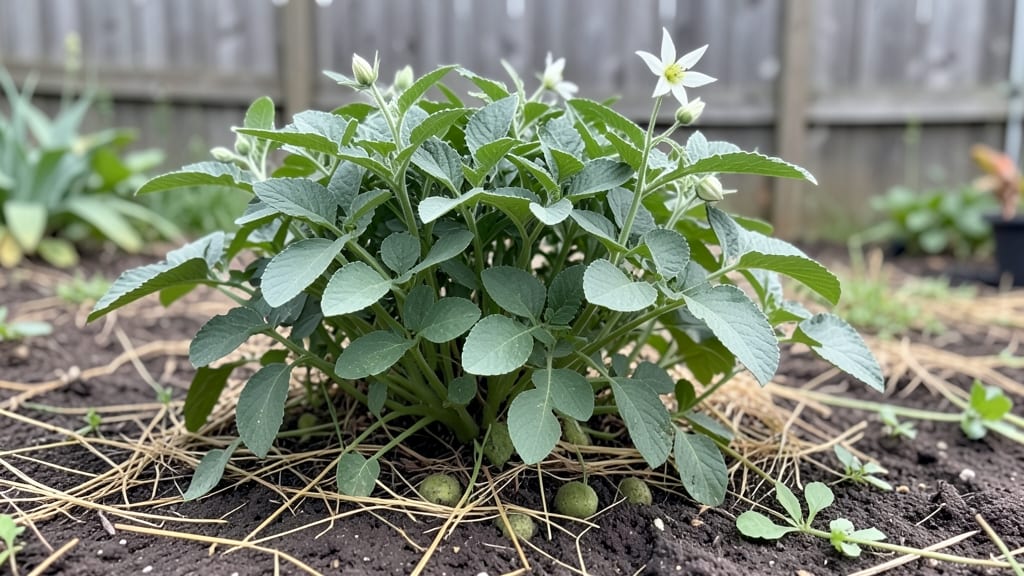
You shouldn't plant squash and potatoes together because they compete for nutrients and attract the same pests. Instead, separate them into different beds or pair each with compatible plants like corn and beans.
These two crops share a surprising number of enemies in the garden—think Colorado potato beetles and squash bugs—that thrive in both plants' environments. 🌱 The issue isn't just pests, though; their sprawling vines and deep roots also steal space and water from each other, leaving both weaker.
I've seen gardens where potatoes produced fewer tubers and squash developed smaller fruits simply because they were planted side by side. The three-sisters method (corn, beans, and squash) works better because each plant supports the others—corn provides structure, beans fix nitrogen, and squash shades the soil.
For maximum success, give each plant its own dedicated space or use raised beds to create clear boundaries. This separation isn't just about avoiding problems—it's about giving each crop the ideal conditions to thrive without competition.
💡 In This Article
- Why Squash and Potatoes Are Poor Garden Companions
- Best Companion Plants for Squash and Potatoes
Why squash and potatoes are poor garden companions
Here's what's actually happening when these two crops share space: their root systems compete aggressively for water and nutrients. Potatoes develop deep, fibrous roots that can extend 3-4 feet underground, while squash vines spread wide with shallow roots that absorb surface moisture.
This creates a tug-of-war where both plants end up malnourished, especially during dry spells when competition peaks. 🌱 The scientific term for this is "root zone interference," where overlapping root systems create stress responses in both plants.
Shared diseases like late blight (Phytophthora infestans) and early blight (Alternaria solani) make matters worse. These fungal pathogens thrive in warm, humid conditions—exactly the environment both squash and potatoes create when planted together.
A single infected leaf can spread spores to both crops within 7-10 days, turning a small outbreak into a garden-wide epidemic.
The Colorado potato beetle and squash bug also target both plants, laying eggs on leaves that hatch into voracious feeders capable of defoliating entire plants in 2-3 weeks.
What most people don't realize is how these plants affect each other's growth patterns. Squash vines create dense shade that can stunt potato foliage growth by 30-40%, while potato plants' vertical growth can smother squash vines if not properly spaced.
The ideal scenario for potatoes requires 12-18 inches of vertical space, while squash needs 3-5 feet of horizontal spread—this fundamental growth habit mismatch makes coexistence nearly impossible without significant yield sacrifices.
The science behind this involves something called "allelopathy," where plants release chemical compounds that inhibit others' growth. While potatoes aren't strong allelopathic producers, squash (particularly summer varieties) can release compounds that slightly suppress nearby plants' root development.
This chemical warfare, combined with physical competition, creates a perfect storm of reduced productivity. 💫
Consider these key factors when evaluating their compatibility:
- Root competition: Potatoes need 12-18 inches of soil depth while squash spreads 3-5 feet wide
- Disease vulnerability: Both share 5+ common pathogens including blight and powdery mildew
- Pest attraction: Colorado potato beetles and squash bugs both target both crops
- Growth habit clash: Vertical vs. horizontal space requirements create physical conflicts
The most compelling evidence comes from university extension studies showing that when planted together, squash yields drop by 25-35% and potato production decreases by 15-20% compared to isolated plantings. This isn't just theoretical—it's been proven in real garden conditions across multiple growing seasons. 🔥