
Picking
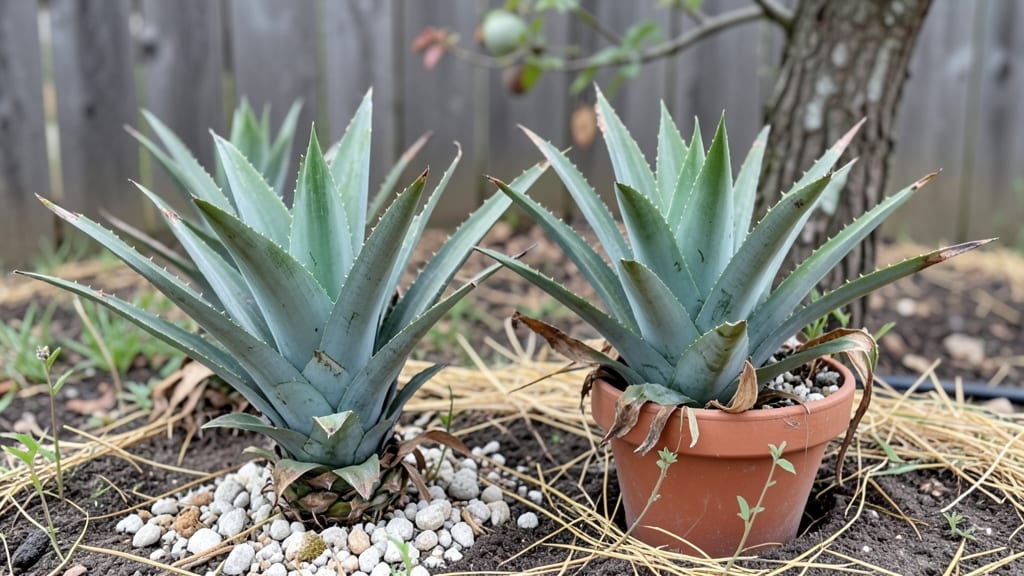
Growing pineapple from cuttings starts with the right planting materials—slips are my go-to because they root faster than seeds and produce fruit in just two years. 🌱 The key is choosing healthy, mature slips with at least three leaves and a small root base, which you can find at specialty nurseries or even from a ripe pineapple's base if you're patient enough to wait for roots to form.
Slips give you the fastest, most reliable results, but seeds are an option if you want to experiment with heirloom varieties. Store-bought plants work too, though they cost more upfront.
The real secret? Sourcing materials from a trusted supplier ensures you avoid pests or diseases that can set your tropical project back before it even begins.
Once you’ve got your slips, the next step is simple: root them in moist perlite or vermiculite until they’re ready for soil.
I’ve found that keeping them in bright, indirect light and misting daily speeds up root development—within 4-6 weeks, you’ll have a sturdy little plant ready to transplant into well-draining soil. The payoff? A thriving pineapple that’ll reward you with sweet fruit in no time.
This method works best in warm climates, but even in cooler zones, you can grow pineapples in containers and bring them indoors during winter. The trick is patience and consistency—just like any tropical plant, pineapples thrive when you mimic their natural environment. Let’s get those slips growing!
📚 In This Guide
- What you need
- Instructions
- Tips and common mistakes
- Wrapping up and next steps
What you need
- ● Pineapple crowns, slips, or pups (1–3 per plant, depending on size and variety). Crowns: The leafy top of a ripe pineapple (must include the "eyes" or buds).
- ● Slips: Offshoots from the base of the plant (preferred for faster growth).
- ● Pups: Side shoots from the base (less common but viable).
- ● Well-draining soil mix (50% potting soil + 50% perlite/sand or coconut coir). 1–2 gallons per plant.
- ● Containers or garden bed: Containers: 1–2 gallons per pineapple (drainage holes required).
- ● Garden beds: Full sun (6+ hours/day), sandy/loamy soil, pH 4.5–6.5.
- ○ Rooting hormone (optional but recommended for slips/crowns).
- ● Pruning shears or sharp knife (sterilized with rubbing alcohol).
- ● Spray bottle (for misting cuttings).
- ○ Plastic bags or humidity dome (to retain moisture; optional for indoor starts).
- ● Fertilizer (balanced 10-10-10 or pineapple-specific fertilizer, lightly after rooting).
- ● Sunlight access: Bright, indirect light (or full sun for outdoor plants). 💡 Pro tip: Avoid direct midday sun until established!
Step-by-step guide to propagating pineapples from cuttings
Here's how to turn a store-bought pineapple into a thriving tropical plant—no green thumb required.
🌱 Step 1: Select and Prepare the Pineapple Top
Choose a ripe pineapple with a healthy, green crown. The crown should be firm, compact, and free of brown spots or softness. Using a sharp knife, cut about 1-2 inches below the base of the crown, leaving a small portion of the fruit attached. This helps protect the delicate roots from drying out during transport.
Remove any remaining fruit flesh from the crown's base and let it dry for 2-3 days in a warm, shaded spot. You'll see a callus form over the cut area—this is crucial for preventing rot. Place the crown upright in a glass of water with just ½ inch of the base submerged while it dries.
💧 Step 2: Root the Pineapple Top in Water
After the callus forms, transfer the pineapple top to a clean 8-ounce glass filled with room-temperature water. Change the water every 3-4 days to keep it fresh and prevent bacterial growth. Place the glass in a warm spot with bright, indirect light—direct sun will scorch the leaves.
Roots should appear in 3-6 weeks, though some may take longer. You'll notice tiny white tendrils emerging from the base first, followed by longer, thicker roots. Once roots reach 2-3 inches, your pineapple is ready for soil. Don’t rush this step—strong roots mean a healthier plant.
🪴 Step 3: Plant the Rooted Top in Soil
Fill a 6-inch pot with a well-draining potting mix, like a blend of cactus/succulent soil and perlite. Make a small hole in the center and gently place the rooted pineapple top into the soil, burying it just enough to hold it upright. Press the soil lightly around the base to secure it without compacting.
Water the soil until moisture drains from the bottom of the pot, then let it dry slightly before watering again. Pineapples hate soggy roots, so always check the top 1 inch of soil—water only when it feels dry to the touch. Place the pot in a spot with bright, indirect light for the first few weeks.
☀️ Step 4: Acclimate and Care for Your Pineapple Plant
After 2-3 weeks in soil, gradually introduce your pineapple to more sunlight. Start with 2-3 hours of morning sun daily, then slowly increase exposure over 2-3 weeks until it gets 6+ hours of direct sunlight. You'll see the leaves turn a deeper green as they adapt.
Fertilize lightly every 2 months with a balanced, water-soluble fertilizer diluted to half strength. Pineapples grow slowly, so over-fertilizing can harm them. Watch for yellowing leaves—this usually means too much water or fertilizer. Reduce watering immediately if you see this happen.
⏰ Step 5: Monitor Growth and Prepare for Flowering
Your pineapple may take 1-3 years to mature enough to flower, depending on light and care. When it does, you'll spot a small, red or purple flower spike emerging from the center. This is your plant's way of telling you it's ready to fruit!
If you live in a frost-free climate, you can eventually transplant your pineapple to the ground. Choose a spot with full sun and well-draining soil. In colder areas, keep it in a pot and bring it indoors before temperatures drop below 50°F. Patience is key—pineapples grow slowly but reward you with sweet, homegrown fruit.
Tips & tricks for perfect pineapple propagation
Here's what I learned after propagating three pineapples—these tricks make all the difference between a thriving plant and a sad, wilted failure.
Selection Tip: The crown you choose makes all the difference. Look for a crown that's firm and compact—if it's loose or has brown spots, it's already compromised. I've tried using crowns from overripe pineapples, and they always rot during the drying phase. The crown should feel heavy for its size, which means it's full of moisture and ready to grow.
Drying Secret: Don't skip the 2-3 day drying period—this is where most people fail. Place your crown in a warm, shaded spot (like a kitchen counter away from direct sunlight) and be patient. You'll see a callus form over the cut area, which acts like a natural seal to prevent rot. I've rushed this step before, and my pineapple crowns always ended up moldy in water.
Rooting Strategy: When it's time to move your pineapple top to water, use a clean 8-ounce glass filled with room-temperature water. Only submerge ½ inch of the base—any more can cause the crown to rot. Change the water every 3-4 days to prevent bacterial growth. I place mine near a sunny window but avoid direct sunlight, which can scorch the leaves. Roots typically appear in 3-6 weeks, but I've seen some take up to 8 weeks if the conditions aren't perfect.
Soil Transition: Once roots reach 2-3 inches, it's time to plant in soil. Use a 6-inch pot with well-draining mix—regular potting soil can hold too much moisture. I like to mix cactus/succulent soil with perlite for extra drainage. After planting, water thoroughly but let the soil dry slightly before watering again. Overwatering is the #1 killer of young pineapple plants.
Pro Tips for Pineapple Planting Materials
- Here's what I learned after propagating three pineapples—these tricks make all the difference between a thriving plant and a sad, wilted failure.
- Selection Tip: The crown you choose makes all the difference.
- Drying Secret: Don't skip the 2-3 day drying period—this is where most people fail.
Frequently asked questions
Got questions about growing pineapples from cuttings? You’re not alone—pineapple propagation can feel tricky at first! Here are some of the most common questions (and answers) to help you get started with confidence.
What’s the easiest way to get pineapple planting materials?
Buy healthy crowns (the leafy top) from a trusted nursery or grocery store. Look for firm, green crowns with no mold or browning. You can also propagate from slips (pups) if your pineapple plant produces them—just gently twist them off the mother plant and let them dry for a day before planting!
How long does it take for pineapple cuttings to root and grow?
Patience is key! Cuttings typically take 2–4 weeks to root in warm, humid conditions. Once rooted, growth slows—expect a mature pineapple fruit in 18–30 months. Keep soil moist but not soggy, and place your cutting in bright, indirect light to speed things up.
Can I grow pineapples indoors, or do they need outdoor heat?
Pineapples love warmth (ideal temps: 70–85°F). While you can start them indoors near a sunny window, they’ll need to move outside once rooted. If you’re in a cooler climate, use a greenhouse or grow lights and keep soil temperatures above 60°F to avoid rot.
Why is my pineapple cutting rotting instead of growing?
Overwatering or poor drainage are the top culprits. Let the bottom of the cutting dry slightly between waterings, and use a well-draining mix (like cactus soil + perlite). If rot starts, trim the bad tissue, let it dry for 24 hours, and replant in fresh, sterile soil.
Are there alternatives to using crowns or slips for propagation?
Not really! Pineapples don’t grow from seeds (they’re sterile), so crowns and slips are your only natural options. Some gardeners experiment with tissue culture (lab-grown plants), but it’s pricey and best for commercial growers. Stick with cuttings for a DIY-friendly approach!
Wrapping up and next steps
Choosing the right pineapple planting materials is your first step toward a thriving tropical harvest! Whether you opt for slips, pups, or crowns, understanding their unique needs ensures healthy growth.
With patience and care, you’ll soon enjoy fresh, sweet pineapples straight from your garden—what a rewarding feeling! 🌱✨
Ready to get started? Grab your supplies, pick your preferred method, and begin propagating today! Your future pineapple patch awaits—let’s make it happen!