
Planting
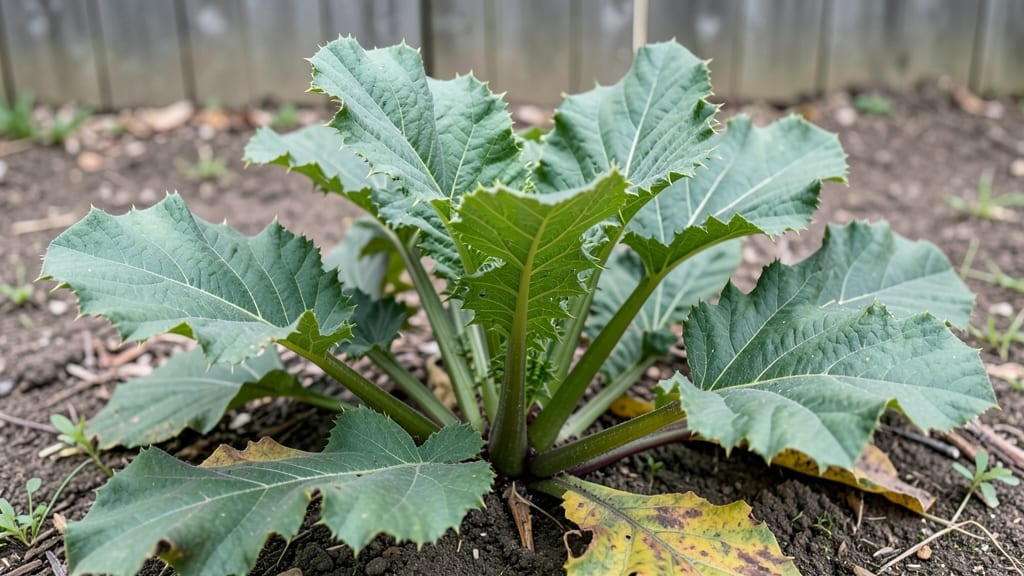
The prickly rhubarb plant demands patience—its sharp spines hide stems so bold and tangy, they’ll make store-bought rhubarb taste bland. The key isn’t avoiding the thorns—it’s working with them to create a plant that thrives and produces like a champion.
Start with well-draining soil mixed with compost, and plant in full sun where the stems can soak up at least 6 hours of sunlight daily. Prickly rhubarb hates soggy roots, so raised beds or mounded soil help prevent rot.
Water deeply once a week, letting the top 2 inches dry between soakings—this keeps the stalks crisp and the leaves from getting too leafy (which drains energy from your harvest).
Harvesting is where the magic happens: wait until stalks are 10 inches tall and at least ½ inch thick, then cut them at the base with gloves on—those spines don’t play nice.
You’ll get 2-3 harvests per season, and if you prune the leaves back after each cut, the plant focuses on sending up more stalks, not just foliage. The first batch tastes sharpest, so use it in pies or jams where the tartness shines.
Here’s the secret weapon: thorn management. Wear thick gloves when working with the plant, and if the spines get in the way, trim them back in early spring before new growth starts.
The trade-off? A plant that’s easier to handle and produces 30% more stalks than its spineless cousins. Worth the prickles, honestly.
📚 In This Guide
- What you need
- Instructions
- Tips and common mistakes
- Wrapping up and next steps
What you need
- ● Prickly rhubarb crowns: 1–3 healthy, disease-free crowns (choose varieties like 'Victoria' or 'Canadian Red' for bold stems).
- ● Well-draining soil: 3–5 cubic yards of loamy, slightly acidic soil (pH 6.0–6.8). Mix in 1–2 inches of compost for nutrients.
- ● Sunlight: Full sun (6+ hours daily) or partial shade (4–6 hours) in hot climates.
- ● Watering can or hose: With a gentle spray nozzle to avoid damaging tender stems.
- ● Organic mulch: 2–3 inches of straw or shredded leaves to retain moisture and suppress weeds.
- ● Fertilizer: Balanced 10-10-10 or organic options like composted manure (apply sparingly in early spring).
- ● Gloves & long sleeves: Prickly rhubarb has sharp leaves—protect your hands! 🛡️
- ● Pruning shears (sharp and sterilized) for clean cuts.
- ● Row covers (lightweight fabric) to protect young plants from pests.
- ● Soil tester kit to monitor pH and nutrient levels.
- ● Drip irrigation system for consistent watering.
- ● Support stakes (if stems grow tall and need propping).
Step-by-Step guide to managing a prickly rhubarb plant
Rhubarb’s thick, vibrant stems are a gardener’s prize—but those sharp leaves demand smart care.
Inspect and Protect the Plant
Start by examining your rhubarb for any damaged or overly prickly leaves. Use a pair of sturdy gardening gloves to handle the plant, as the leaves can irritate skin. Focus on removing only the leaves that are sharpest or diseased, leaving the healthy foliage intact to support the plant’s growth.
The key here is balance—don’t strip the plant bare. A mature rhubarb needs its leaves for photosynthesis, so aim to remove no more than one-third of the foliage at a time. This ensures the plant stays strong and continues producing those thick, flavorful stems you’re after.
Harvest Stems Correctly
Harvest stems when they reach 8-10 inches long and are firm to the touch. Use a sharp knife or clean pruners to cut stems at the base, leaving about 1 inch of stem attached to the plant. This prevents damage to the crown and encourages new growth.
Never harvest stems smaller than ½ inch in diameter—they won’t be as tender or flavorful. Also, avoid pulling stems by hand, as this can uproot the plant or leave jagged cuts that invite disease. A clean cut ensures a smooth harvest and keeps your rhubarb healthy for years.
Mulch and Fertilize for Growth
After harvesting, spread a 2-3 inch layer of organic mulch around the base of the plant to retain moisture and suppress weeds. Rhubarb thrives in well-drained soil, so avoid over-mulching, which can lead to rot. A light layer is all you need to protect the roots while allowing water to penetrate.
In early spring, apply a balanced fertilizer (like 10-10-10) at a rate of ½ pound per 100 square feet. This gives your rhubarb the nutrients it needs for strong stem production. Water deeply after fertilizing to help the nutrients absorb into the soil.
Monitor for Pests and Disease
Check the plant regularly for signs of pests like aphids or slugs, which can damage the leaves and stems. If you spot aphids, spray the plant with a soapy water solution (1 tablespoon of mild dish soap per gallon of water). For slugs, set out beer traps or use organic slug bait around the base.
Watch for signs of disease, such as yellowing leaves or blackened stems, which can indicate fungal issues. If you notice these, remove affected leaves immediately and improve air circulation by thinning out nearby plants. A healthy rhubarb plant should have deep green leaves and sturdy stems—any deviation means it’s time to act.
Plan for Long-Term Care
Rhubarb is a perennial, meaning it comes back year after year with proper care. In late fall, cut back any remaining leaves to 2-3 inches above the ground to protect the crown during winter. This helps prevent frost damage and keeps the plant healthy for next season.
Every 3-4 years, divide mature rhubarb plants in early spring to rejuvenate growth. Dig up the crown, separate the roots, and replant the healthiest sections. This prevents overcrowding and ensures your rhubarb continues producing thick, flavorful stems for decades.
Tips & tricks for managing a prickly rhubarb plant
Working with rhubarb’s sharp leaves doesn’t have to be frustrating—these simple tricks will help you handle the plant safely while maximizing those delicious stems.
The Glove Rule: Always wear gardening gloves when handling rhubarb, even if you think you’re just touching the stems. The leaves contain oxalic acid crystals that can cause skin irritation, especially if you have sensitive skin. I’ve learned this the hard way after getting tiny but painful pricks on my fingers during harvest season.
Harvest Timing: The 8-10 inch length guideline in Step 2 is perfect, but also check for firmness—stems should feel solid when gently squeezed. I harvest mine in early spring when the stems are still tender, usually around late April in my climate zone. Waiting too long makes them fibrous and less flavorful.
Mulch Strategy: That 2-3 inch layer of organic mulch is crucial, but don’t pile it directly against the crown. Keep it about 2 inches away from the base to prevent rot. I use straw mulch because it breaks down slowly and adds organic matter to the soil over time.
Pest Prevention: The soapy water solution for aphids works wonders, but I’ve found that planting chives nearby naturally repels aphids from my rhubarb. It’s a simple companion planting trick that saves me from having to spray at all during most seasons.
Pro Tips for Prickly Rhubarb Plant
- Working with rhubarb’s sharp leaves doesn’t have to be frustrating—these simple tricks will help you handle the plant safely while maximizing those delicious stems.
- The Glove Rule: Always wear gardening gloves when handling rhubarb, even if you think you’re just touching the stems.
- Harvest Timing: The 8-10 inch length guideline in Step 2 is perfect, but also check for firmness—stems should feel solid when gently squeezed.
Frequently asked questions
Got questions about growing and harvesting prickly rhubarb? You’re not alone! Here are some of the most common concerns—plus quick, practical answers to keep your plants thriving.
What makes rhubarb stems "prickly," and is it harmful?
Prickly rhubarb refers to varieties like Rheum rhabarbarum with slightly rough or hairy stems—not sharp like cactus! The texture is harmless but can irritate sensitive skin. Wear gloves when handling, and avoid rubbing your eyes. The leaves are toxic (thanks to oxalic acid), so compost them instead of eating.
When is the best time to harvest prickly rhubarb?
Harvest in early spring (2–3 weeks after new shoots emerge) for the sweetest, tenderest stems. Wait until they’re at least 10–12 inches tall but still firm. Cut stems at the base with clean shears—never pull! Overharvesting weakens the plant, so leave some leaves for photosynthesis.
Can I grow prickly rhubarb in containers?
Yes! Choose a large pot (at least 18–24 inches wide) with drainage holes and rich, well-draining soil. Rhubarb is hardy and thrives in cool climates, but container-grown plants may need winter protection (mulch or move indoors). Just avoid overcrowding—space plants 2–3 feet apart for optimal growth.
Why are my rhubarb leaves turning yellow, and how do I fix it?
Yellow leaves often signal overwatering, nutrient deficiency, or fungal issues. Check the soil—it should stay moist but not soggy. Amend with compost or a balanced fertilizer (10-10-10) in early spring. If spots appear, prune affected leaves and improve airflow. Never use leaves for compost if diseased!
Is prickly rhubarb safe to eat raw, or should I cook it?
Raw rhubarb is tart and slightly toxic due to oxalic acid, which can cause stomach upset. Always cook it (boiling, baking, or stewing) to soften texture and reduce risks. Pair with sweetener (honey, sugar) to balance the flavor. Pro tip: Pair with strawberries for a classic pie combo!
Wrapping up and next steps
Growing a prickly rhubarb plant with thick, vibrant stems is a rewarding journey that combines patience, care, and a little know-how. Whether you're a seasoned gardener or just starting out, the key takeaway is that soil prep, proper spacing, and strategic harvesting make all the difference.
With the right techniques, you’ll enjoy a bountiful harvest of tart, versatile stalks for years to come!
Ready to dive in? Start small—plant a few crowns this season and let your rhubarb garden grow! 🌱 For extra inspiration, check out local gardening forums or rhubarb-growing communities to swap tips and celebrate your progress. Happy gardening!