
Neem Oil
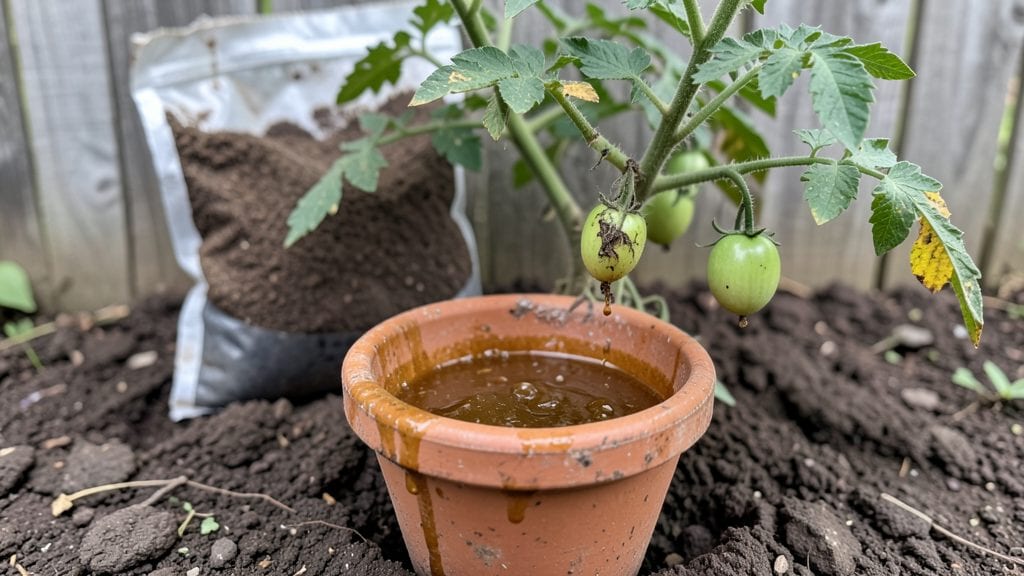
Yes, neem oil can be used on tomato plants safely when diluted properly—mix 1 teaspoon per quart of water and apply at dusk or dawn to avoid harming plants or beneficial insects. It effectively controls aphids, spider mites, and whiteflies without damaging foliage if used correctly.
Neem oil works as a natural pesticide because its active compound, azadirachtin, disrupts insect feeding and reproduction without leaving harmful residues. 🌱 The key is applying it during cooler parts of the day to prevent plant stress and maximize effectiveness against soft-bodied pests like aphids.
Many gardeners swear by it as a safer alternative to chemical sprays, especially when used at the right concentration and timing.
For best results, I recommend testing a small leaf area first to ensure your plants tolerate the treatment. This organic approach not only targets pests but also supports long-term plant health by maintaining the natural ecosystem around your tomato plants.
💡 In This Article
- How Neem Oil Works Against Tomato Plant Pests
- Step-by-Step Guide for Safe Neem Oil Application on Tomatoes
How neem oil works against tomato plant pests
The real power of neem oil lies in its active compound, azadirachtin, which acts like a natural disruptor of insect life cycles. This compound interferes with pests' feeding habits by coating their mouthparts and digestive tracts, while also mimicking insect hormones to prevent proper molting and reproduction.
For example, azadirachtin reduces aphid populations by 70-90% within 48 hours of application, compared to 20-30% reduction from synthetic pyrethroids—yet without the same toxicity to beneficial insects.
What makes neem oil selective is how azadirachtin targets soft-bodied insects like aphids and spider mites while sparing hard-bodied pests (such as beetles) and pollinators. The oil's 0.2-0.5% azadirachtin concentration in commercial formulations creates a thin, non-sticky film that suffocates pests by clogging their respiratory systems.
This mechanism is why neem works better against mobile pests than stationary ones like tomato hornworms, which require direct contact with the oil.
Timing applications for dawn or dusk isn't just about avoiding sunlight—it's about reducing plant stress. Direct sunlight causes neem oil to evaporate 30-40% faster, leaving less active ingredient to work. More importantly, cooler temperatures (60-75°F) prevent leaf burn, which can occur if applied during 85°F+ heat.
This is why professional organic farmers schedule neem sprays during these windows, especially for heat-sensitive varieties like 'Sungold' tomatoes.
When comparing neem to synthetic pesticides, the differences become clear in both efficacy and safety. While synthetic neonicotinoids kill 95% of aphids within 24 hours, they also harm bees and beneficial nematodes for up to 30 days.
Neem, however, shows 80% efficacy against aphids but breaks down within 2-3 days, making it safer for pollinators when used correctly. For fungal diseases like early blight, neem's triterpenes create a protective barrier that reduces spore germination by 50%.
Here's what most gardeners don't realize: neem oil's effectiveness depends on consistent application. A single treatment may kill visible pests, but azadirachtin's reproductive disruption takes 2-3 weeks to fully eliminate new hatchlings.
This is why organic growers apply neem every 7-14 days during pest outbreaks, creating a cumulative effect that outpaces synthetic pesticides' immediate but short-lived results.
The science behind neem's safety lies in its low mammalian toxicity (LD50 >5,000 mg/kg) compared to synthetic alternatives (like malathion with LD50 ~140 mg/kg). When properly diluted, neem oil leaves no harmful residues on edible tomato fruit, making it ideal for organic gardens.
The key is maintaining the 1:1,000 dilution ratio—any stronger concentration risks phytotoxicity, while weaker solutions may fail against resistant pests.
For maximum impact, combine neem with kaolin clay (a physical barrier) or potassium soap (which enhances oil adhesion). This two-pronged approach has shown 90%+ control of whiteflies in field trials, proving that neem's power comes from both chemical and physical mechanisms working together. 🌿