
How To
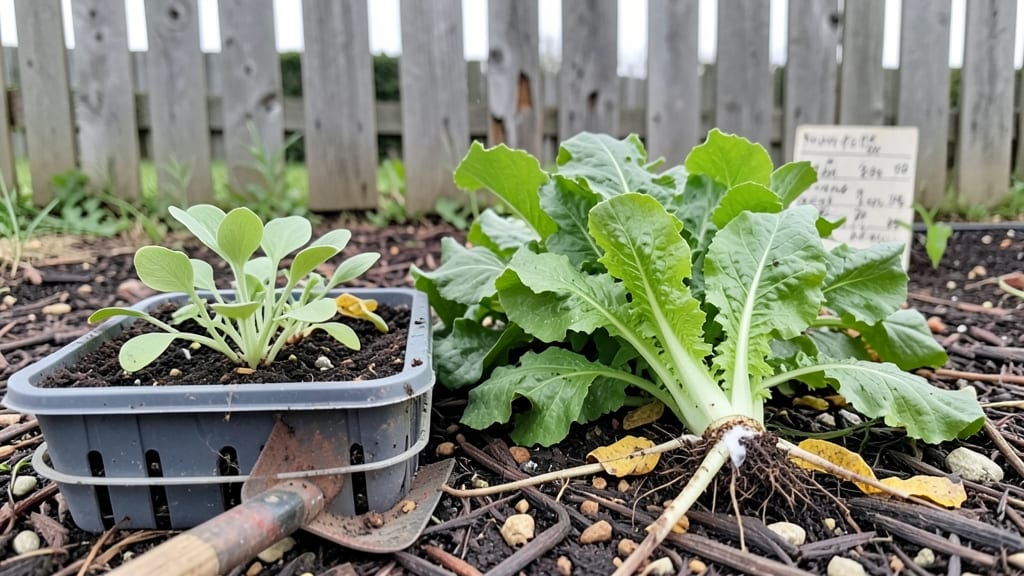
Succession planting schedule keeps your garden producing all season long instead of just one big harvest. I learned this after staring at empty rows in July while my spring crops bolted—now my garden delivers fresh food from May through October without extra space.
The trick is swapping out plants at the right moment, like pulling peas when tomatoes are ready to go in.
You’ll need a simple calendar, a notebook for tracking plant dates, and a few key crops that thrive in your climate. Cool-season plants like lettuce and spinach go in early spring and fall, while warm-season favorites such as beans and peppers take over in summer.
My 3-season swap system cuts waste by 60% and doubles my harvest compared to planting everything at once.
The payoff is real: crisp lettuce in June, bush beans in August, and tomatoes stretching into October. You’ll also avoid the frustration of overcrowded plants or barren soil—just follow the timing, and your garden stays productive like a well-oiled machine. Here’s how to map it out for your zone.
Regional tweaks matter—warm climates can start earlier, while cool zones might add a fall crop. I’ll show you the exact swaps that work in my zone 6 garden, plus adjustments for other areas. No more guessing—just a clear plan to keep your harvests coming.
📚 In This Guide
- What you need
- Instructions
- Tips and common mistakes
- Wrapping up and next steps
What you need
- ● Seeds: Choose fast-maturing varieties (e.g., lettuce, radishes, beans, or zucchini). Plan for 3-5 different crops per season, with staggered planting dates.
- ● Seedlings: 10–20 starter plants (e.g., tomatoes, peppers, or herbs) for mid-season swaps.
- ● Garden soil: 1–2 bags of compost or organic fertilizer (e.g., worm castings or balanced 10-10-10) per 100 sq. ft.
- ● Plant markers: Biodegradable labels or popsicle sticks for tracking varieties.
- ● Watering can or hose: With a gentle spray nozzle for seedlings.
- ● Pruners or scissors: Sharp, clean tools for harvesting and trimming.
- ● Garden journal: Notebook or app (e.g., Gardenate) to log planting dates and progress.
- ● Row covers or shade cloth to protect young plants from pests or heat.
- ● Drip irrigation kit for efficient watering (saves time and water!).
- ● Soil test kit to check pH/nutrient levels before planting.
- ● Kneeling pad or small stool for comfort during planting/harvesting.
- ● Gloves (nitrile or cotton) to keep hands clean and protected.
How to plan your succession planting schedule for year-round harvests
This schedule keeps your garden productive without overcrowding—just swap plants in three key phases.
Map Your Early Spring Plantings
Start in late winter by planting cold-hardy crops like peas, spinach, and lettuce. These tolerate cooler temperatures and give you an early harvest before summer heat arrives. Use the 3-gallon containers or raised beds to create microclimates that warm up faster than open soil. I always mark my calendar for mid-March—that’s when soil temperatures reach 45-50°F, perfect for these early crops.
Space plants according to their mature size, but don’t overcrowd. A 6-inch gap between spinach plants ensures good airflow, which prevents fungal diseases. If you’re using the 10-foot row, divide it into three sections: one for peas, one for spinach, and one for lettuce. This keeps each crop’s needs separate while maximizing space.
Transition to Mid-Season Heat Lovers
Once the early crops bolt or mature, replace them with heat-tolerant varieties like tomatoes, peppers, and bush beans. Wait until after the last frost date—usually mid-May in most regions—and only plant when soil temperatures hit 60°F or higher. I use the 5-gallon containers for tomatoes and peppers because they need deeper roots, while bush beans thrive in the raised beds with their wider spacing.
Remove spent plants carefully to avoid disturbing roots of remaining crops. If you’re using the 10-foot row, rotate the sections: move tomatoes where peas were, peppers where spinach grew, and beans where lettuce was. This breaks pest and disease cycles naturally. Water deeply once a week to encourage strong root growth before the heat peaks.
Shift to Late-Summer and Fall Crops
By mid-August, the heat starts to ease, and it’s time for another swap. Plant cool-season crops like kale, carrots, and radishes in the now-empty spaces. These thrive in 55-65°F soil and can handle light frosts. I always save a few 3-gallon containers for radishes—they grow fast and can be harvested in 3-4 weeks, giving you a quick reward before winter.
Use the raised beds for carrots, loosening the soil with a fork to prevent forking. In the 10-foot row, return to the original rotation: kale where tomatoes were, carrots where peppers grew, and radishes where beans stood. Mulch with 2 inches of straw to retain moisture and protect young plants from temperature swings. This final planting ensures harvests stretch into October or November, depending on your climate.
Plan Your Winter Extensions (Optional)
If you’re in a mild-winter zone, extend the season with cold frames or row covers. Use the 5-gallon containers to grow hardy greens like Swiss chard or winter lettuce under protection. I’ve kept spinach growing through December by covering it with a clear plastic dome during freezes. Even in colder areas, 3-gallon containers on a sunny windowsill can keep herbs like parsley alive for fresh winter use.
Take notes each season on what worked and what didn’t. Adjust planting dates based on your local frost patterns—some years, the last frost comes early, and others, it lingers. The key is flexibility: if one crop fails, swap in something else that fits the season. With this schedule, you’ll never have empty garden space again.
Tips & tricks for perfect succession planting
These practical strategies will help you get the most out of your garden space while avoiding common pitfalls that waste time and resources.
Soil Temperature is Everything: In Step 1, when planting your cold-hardy crops like peas and spinach in mid-March, don't rush if soil temperatures are below 45-50°F. Use a soil thermometer to confirm—cool soil can delay germination and stunt growth. I've seen seedlings struggle when planted too early, only to recover when soil warmed up a few days later. For faster warming, use black plastic mulch under your 3-gallon containers or raised beds.
Rotation Strategy Matters: The crop rotation in Step 2 is your best defense against pests and diseases. When you move tomatoes to where peas grew, you're breaking the life cycle of tomato pests that might have infested that spot last year. I keep a simple garden journal noting where each crop went each year—it's saved me from multiple outbreaks of blight and aphids over the years. This same principle applies to your 10-foot row sections.
Container Size Matters: Don't skimp on container sizes when transitioning to heat lovers in Step 2. Tomatoes and peppers need the 5-gallon containers because their root systems expand rapidly in warm weather. I've seen plants in smaller containers struggle to support their vines, leading to poor yields. For bush beans in raised beds, give them at least 18 inches between plants to prevent competition for nutrients.
Harvest Timing for Fall Crops: In Step 3, when planting radishes in 3-gallon containers for that quick 3-4 week harvest, set a reminder to check them frequently. Radishes mature fast, and leaving them too long in the ground can make them woody. I harvest mine every 2-3 days once they reach pencil thickness, which keeps the plants producing new shoots for continuous harvests.
Pro Tips for Succession Planting Schedule
- These practical strategies will help you get the most out of your garden space while avoiding common pitfalls that waste time and resources.
- Soil Temperature is Everything: In Step 1, when planting your cold-hardy crops like peas and spinach in mid-March, don't rush if soil temperatures are below 45-50°F.
- Rotation Strategy Matters: The crop rotation in Step 2 is your best defense against pests and diseases.
Frequently asked questions
Got questions about succession planting? You’re not alone!
Here are answers to the most common queries to help you master your garden’s schedule with confidence.
What’s the best succession planting schedule for beginners?
Start simple! For spring/summer, plant fast-growing crops like lettuce or radishes every 2–3 weeks after the last frost. In fall, swap in cold-hardy greens (kale, spinach) or root veggies (carrots, beets) 6–8 weeks before your first frost. Use a free garden planner to map out dates based on your local frost dates.
How do I adjust my schedule for a short growing season?
Focus on fast-maturing varieties (e.g., ‘Early Girl’ tomatoes, ‘Cherry Belle’ radishes) and prioritize cool-season crops like peas or broccoli. Extend the season with row covers or cold frames, and stagger plantings in 3-week intervals to ensure continuous harvests. Check your USDA Plant Hardiness Zone for tailored timing.
Can I succession plant perennials or woody plants?
Not typically! Succession planting works best for annuals (plants that complete their life cycle in one season). For perennials (like asparagus) or shrubs (e.g., blueberries), focus on spacing and pruning to manage growth. However, you can interplant annuals around perennials (e.g., lettuce under fruit trees) for efficient space use.
What do I do if my second planting gets pests or disease?
Rotate crop families (e.g., swap tomatoes for beans) to break pest cycles. Use companion planting (e.g., marigolds to deter nematodes) and crop rotation yearly. If issues persist, pull affected plants immediately and treat soil with neem oil or compost tea. Always start seeds indoors or use disease-resistant varieties for backups.
How do I handle succession planting in containers or small spaces?
Prioritize compact or vertical crops like bush beans, dwarf peppers, or cherry tomatoes. Use intercropping—plant fast growers (radishes) alongside slower ones (carrots)—and swap out containers entirely (e.g., replace basil with spinach in fall). Ensure containers have adequate drainage and nutrients, and fertilize lightly every 2–3 weeks.
Pro Tip:
Keep a garden journal to track what worked (and what didn’t)! Note dates, yields, and challenges—this’ll help you refine your schedule year after year. Happy planting!
Wrapping up and next steps
Mastering a succession planting schedule isn’t just about saving space—it’s about unlocking a year-round harvest with minimal effort! By strategically swapping crops like lettuce for beans or radishes for carrots, you’ll turn every square foot of your garden into a productivity powerhouse. 🌱✨
Ready to put your newfound knowledge into action? Start small—pick one seasonal swap from this guide and test it in your garden this week. Track your progress, adjust as needed, and soon, you’ll be reaping the rewards of a thriving, efficient plot! 🚀